Culture
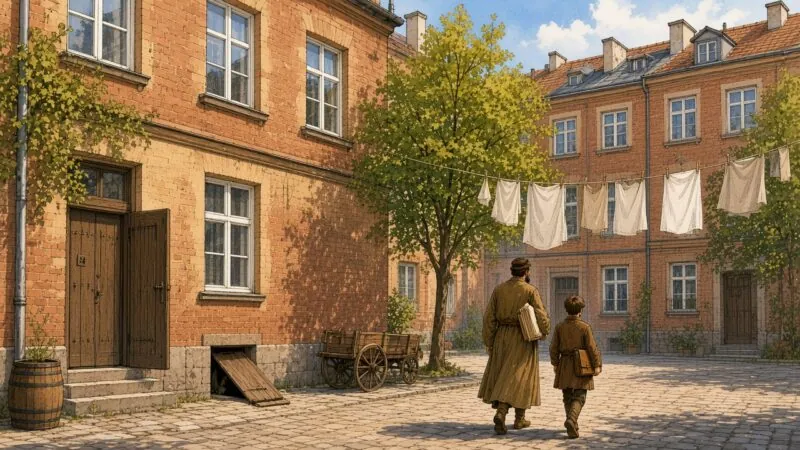
From the Areopagus to Melidoni Street
Athens heard Paul on the Areopagus and framed the legend of the Greek Torah. Its small Jewish community still shapes Greek Bible scholarship.
Reader settings
Colour theme
Colour themes are for light mode. Choosing one switches dark mode off.
Custom colours colour wheel; text is kept readable
Preview: clear, readable long-form writing.
Text size
Saved in this browser only.
Posts
The most recent essays, newest first.
Culture
Athens heard Paul on the Areopagus and framed the legend of the Greek Torah. Its small Jewish community still shapes Greek Bible scholarship.
Culture
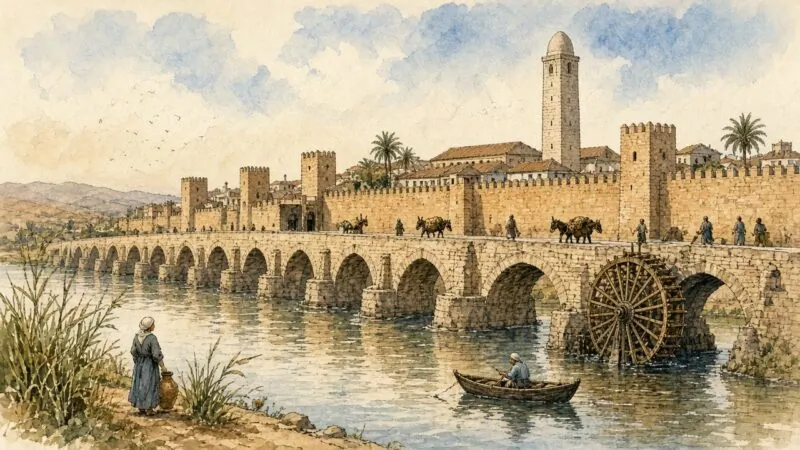
From the Idrisid foundation to the restored Ibn Danan synagogue, a long read on the Jews of Fez and their Bible: Ibn Quraysh’s epistle…
Culture
Sixteen centuries of Jewish life in Istanbul, from Romaniote and Karaite Byzantium and the first Hebrew press of the Ottoman Empire to the polyglot…
Culture
Smyrna came late to Sephardi history and then made up for lost time, with a united rabbinate, a Hebrew press, codifiers read across the…
Culture
Arabic and its dialects, Hebrew reborn, Aramaic in retreat, Persian, Kurdish, Turkish, Armenian, Georgian and a host of smaller tongues: a long read on…
History
From a letter of consolation to the Jews of Fez around 997 to the pogrom in the same city in 1912, Fenton and Littman’s…
Arts
Alfred Flechtheim brought Picasso and the cubists to Weimar Germany and became the Nazis' favourite caricature of the Jewish art dealer. Drawing on Charles…
History
In January 1976, three years before the Iranian revolution, Bernard Lewis told the readers of Commentary that the West had stopped seeing religion in…
Culture
Between the 1880s and the 1960s much of modern Jewish culture was made in cafés. Following Shachar Pinsker's A Rich Brew through Odessa, Warsaw,…
History
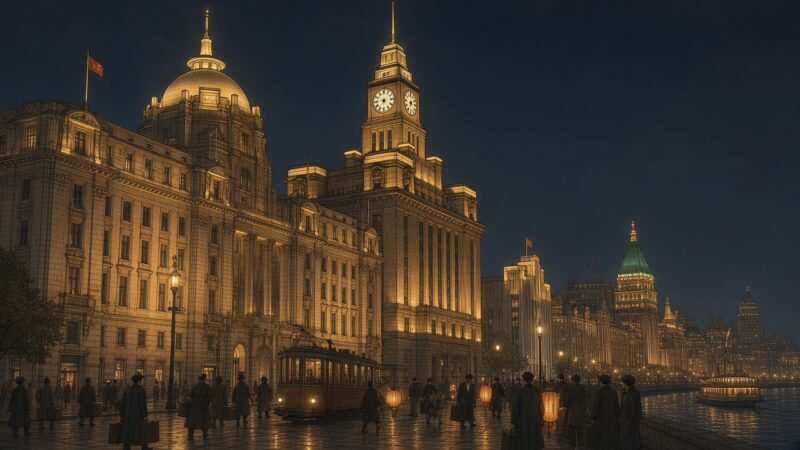
Between 1938 and 1941 some eighteen thousand Jews from Germany, Austria and Poland found refuge in Shanghai, a war-torn Chinese city that asked no…
Culture
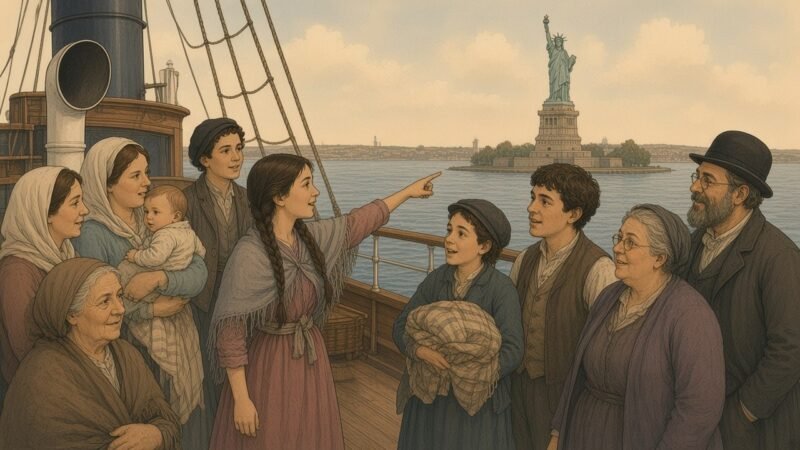
Between 1881 and 1914 about two million Jews left the Russian Empire, Austria-Hungary and Romania for the United States. Why they went, how they…
Culture
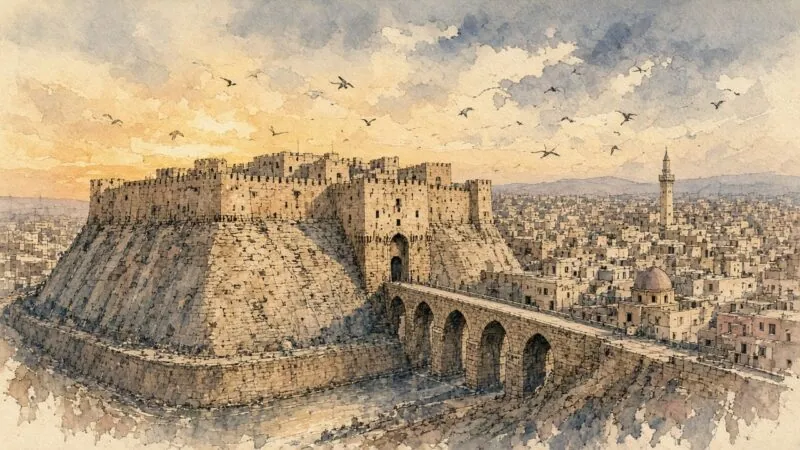
Five thousand years of Aleppo, from the storm god’s temple on the citadel to a merchant city of souqs, khans and synagogues.
Culture
A Galician-born historian, teacher and welfare worker who organised the clandestine Oyneg Shabes archive in the Warsaw Ghetto, buried its papers in the earth,…
Culture
A first-guild merchant of Evpatoria and the first official Karaite hakham recognised by the Russian Empire, whose petitions, from the mission of 1827 to…
Culture
The square Hebrew letters of every Torah scroll, prayer book and Israeli street sign began as the chancery hand of the Persian empire. This…
Culture
From the wild chickpeas of the Anatolian hills to the morning hummus shops of Damascus, Jaffa and Antakya, this long read follows a humble…
Arts
Naskh began as the working hand of Baghdad’s copyists and became, through the measured pens of Ibn Muqla, Ibn al-Bawwāb, Yāqūt, Şeyh Hamdullah and…
Culture
For eight centuries the Jews of al-Andalus and Christian Spain wrote poetry, philosophy, law and science that shaped Jewish life and European learning, from…
Transmission
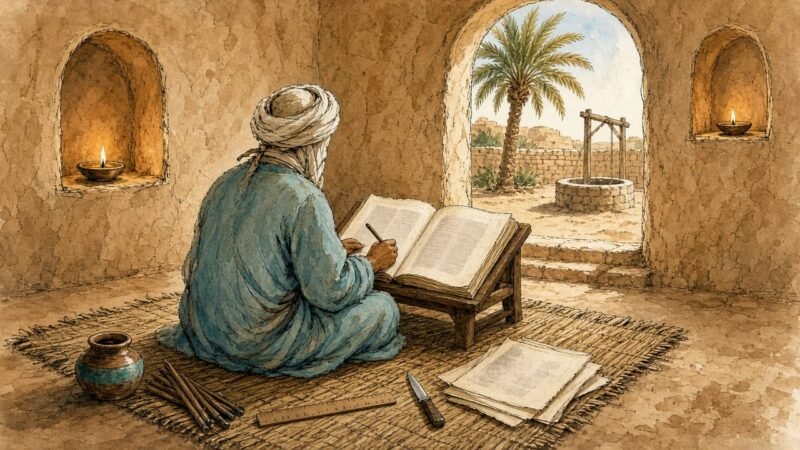
British Library Or. 4445 preserves nearly two thirds of the Torah as a scribe named Nissi ben Daniel wrote, pointed and annotated it in…
Transmission
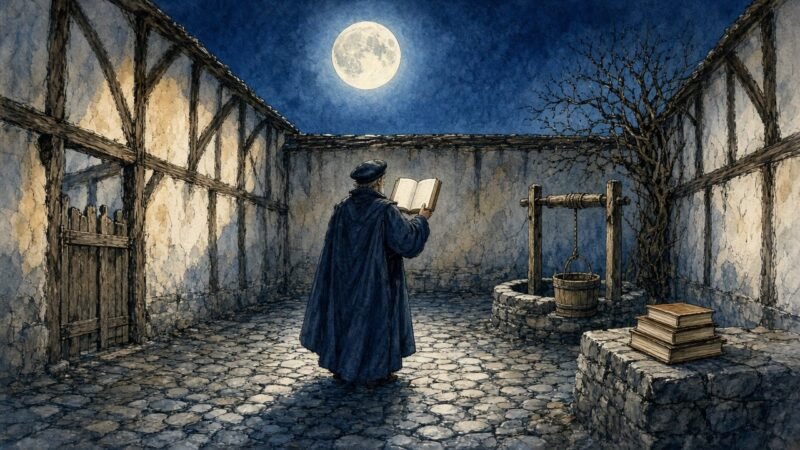
On a December night in 1158, in England, Abraham ibn Ezra dreamed that the Sabbath sent him a letter of complaint. The wandering Spanish…
Transmission
In his seventies David Kimhi set out from Narbonne to defend Maimonides and fell ill at Avila. Earlier journeys had taken him to the…
Transmission
The Talmud says the first sages were called soferim because they counted every letter of the Torah, and remembers a Babylonian teacher who refused…
Transmission
In 1239 Elijah ben Berechiah, son of the author of the Fox Fables, shaped the Masorah of a northern French Bible into letters and…
Transmission
Early in 1082, probably in Cairo, a Rabbanite leader promised his Karaite bride she need not sit by a Sabbath candle. The two communities…