How the books of the Bible were recognised, gathered, preserved and read.
18 pages
Canon2
 How the Bible Canon Was FormedHow the books of the Bible were collected and chosen, with the Jewish, Catholic, Orthodox, Protestant and Ethiopian canons compared.
 The Development of the Greek Bible CanonA scholarly account of how the Greek Bible canon developed from the apostolic period through Marcion, the Muratorian fragment, Athanasius, and the councils.
Preservation and inspiration8
 Divine Inspiration Behind All ScriptureThe conviction that all Scripture is divinely inspired has shaped Christian faith and practice for nearly two thousand years. It holds that the Bible…
 Down Through the GenerationsThe Masoretes (from Hebrew masorah, meaning "tradition") were Jewish scholar-scribes active primarily between the 6th and 10th centuries CE in centers like Tiberias (in…
 God’s Determination to Preserve His Inspired WordThe Bible claims that God not only inspired his word but protects it, so that what he caused to be written stays open to those who seek it.
 Inspiration and Authorship of the Greek BibleA scholarly note on the inspiration, apostolic authorship, dating, and early circulation of the Greek Bible books.
 Jehovah, the Divine Name in the Bible Text and CanonThe personal name of God, written יהוה (YHWH), occurs nearly 7,000 times in the Hebrew Scriptures, far more than any title such as God or Lord.
 Manuscripts, Variants and the Verdict of Textual CriticismWhy scholars judge the Greek Bible text well preserved, from the number and age of manuscripts to what the variants mean for doctrine.
 Preservation of the Greek Bible TextHow the Greek Bible was preserved through persecution, worship, monastic copying and archives, and how reliability differs from textual criticism.
 The Preservation of the Holy Bible Since the Time of JesusA companion to the 30 slide presentation on how the Hebrew Bible and New Testament were copied, guarded and recovered from Jesus to today.
Exegesis and reflections8
 Bezalel and the Ark of the CovenantThe specifications for the sanctuary in Exodus read like a contract drafted by someone who expected it to be audited. They give the length…
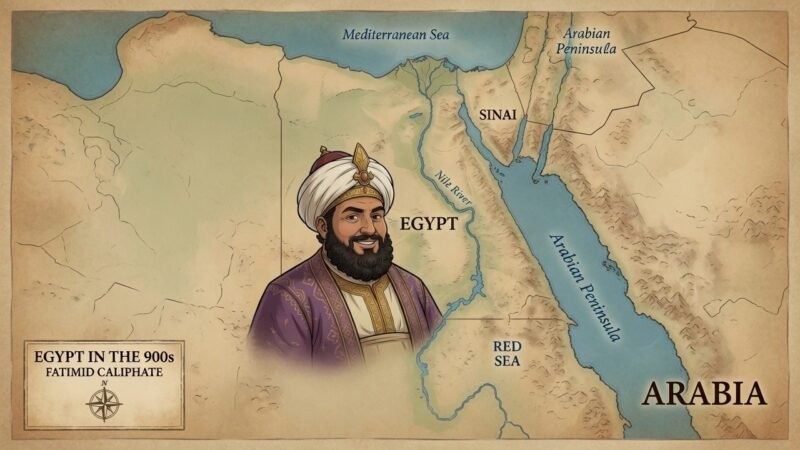 Biblical Exegesis Under the FatimidsBiblical exegesis under the Fatimids was marked above all by the flowering of systematic Karaite commentary in Judeo-Arabic, produced in a relatively tolerant environment…
 God Is Not PartialIn a world often divided by culture, ethnicity, social status, and national borders, the Bible offers a timeless message about equality and divine acceptance.…
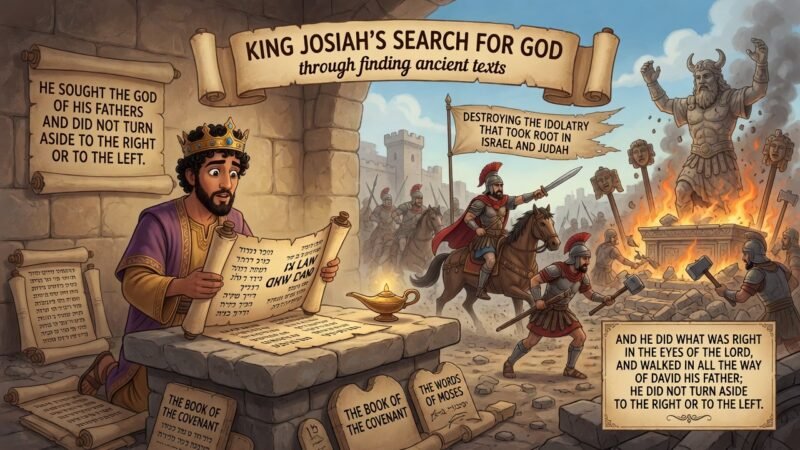 Good KingsFrom a Tender Heart to a Nation's Hope - Applying the Enduring Example of King Josiah The Seeker's Heart - Motivation and Early Piety…
 Rashi and His Commentary on the TorahTwo objects carry the name of Rashi into the modern world. The first is a person: Rabbi Shlomo Yitzhaki, born in Troyes in Champagne…
 The Parable of the Wheat and the WeedsA Reflection on Patience, Judgment, and the Kingdom of God One of Jesus' most thought-provoking parables appears in the Gospel of Matthew, chapter 13,…
 Was Luke a Jew?A scholarly note examining whether Luke the Evangelist was Jewish, and how Romans 3:1–2 shapes the question of who was entrusted with Scripture.
 Who was Shem?In the ancient world, a name was never just a label, it was essence, reputation, destiny. Few names carry a heavier legacy than Shem…