The Unfinished Republic
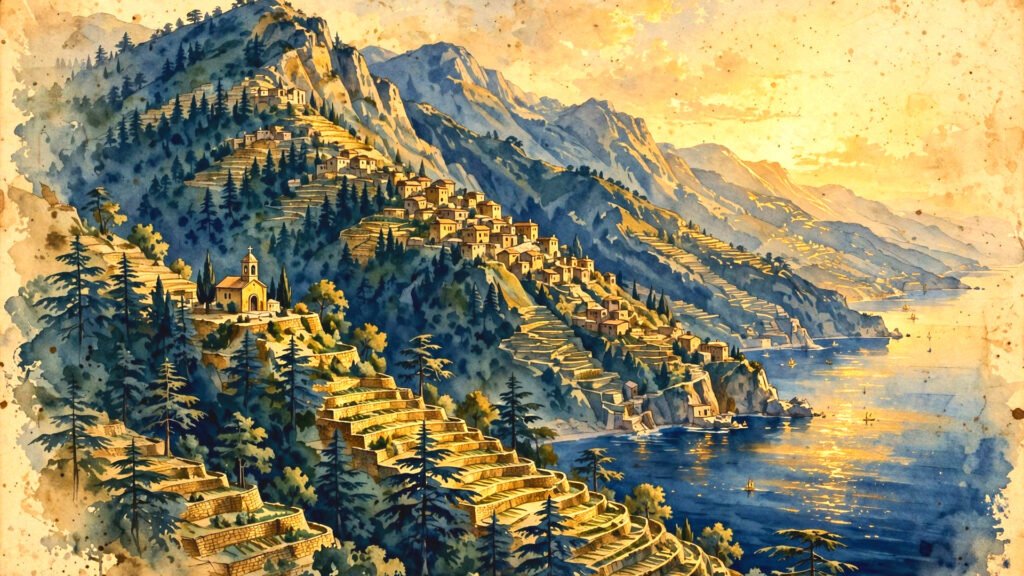
In the late spring and summer of 1860, known in Arabic as حرب ١٨٦٠ (Ḥarb 1860, the war of 1860), civil war on جبل لبنان (Jabal Lubnān, Mount Lebanon) between Druze and Maronite communities was followed, in July, by a massacre of Christians in Damascus. The fighting on the mountain lasted only weeks. The settlement that closed it has lasted, in one form or another, for more than a century and a half. By the Règlement Organique of 9 June 1861, the European powers and the Ottoman Porte carved out the متصرفية جبل لبنان (Mutasarrifate of Mount Lebanon): an autonomous province under a Christian governor appointed from Istanbul with the assent of the powers, and a council whose seats were counted by community. The mountain was given a long peace, a special status, and a habit of thinking of itself as a collection of sects under international guarantee. It was not given its ports, or the grain of the Beqaa, or a state that Lebanese themselves would govern. That inheritance — a peace bought by confessional arithmetic, autonomy under outside eyes, a truncated geography — is where the modern history of Lebanon begins.
Read the article