Against the Grain
Introduction
In the last days of December 1938 a sixty-year-old Austrian physicist was spending the Christmas holiday with friends in the small Swedish town of Kungälv, near Gothenburg, turning over a letter from Berlin. A few months earlier she had been one of the most respected experimental physicists in Germany, head of the physics section of a Kaiser Wilhelm Institute and a colleague of every major figure in the new atomic science. Now she was a refugee with two small suitcases, no pension, no laboratory to speak of and an uncertain legal status, because the state she had served for three decades had decided that her grandparents’ religion made her a danger to it. The letter described a chemical result that made no sense: bombarding uranium with neutrons seemed to produce barium, an element roughly half as heavy. Over the Christmas holiday, walking in the snow with her nephew, she worked out why. The uranium nucleus had split in two. Lise Meitner had explained nuclear fission, and in doing so she had put into words one of the defining physical discoveries of the twentieth century [1][2].
Meitner’s story is the most dramatic of those told in this essay, but it is not unique in its shape. Again and again, in the lives of the women considered here, one finds the same pattern: an exceptional mind, a family that valued learning, an institution that did not want her, a political order that turned against her, and a body of work that outlasted all of them. Emmy Noether, the mathematician whose theorem connecting symmetry to conservation laws underlies the whole of modern theoretical physics, was dismissed from the University of Göttingen in the spring of 1933 and died in Pennsylvania two years later [3]. Rita Levi-Montalcini, barred from Italian academic life by Mussolini’s racial laws, built a laboratory in her bedroom in Turin and studied chick embryos while bombs fell on the city; four decades later she shared a Nobel Prize for the discovery of nerve growth factor [4][5]. Gerty Cori, the first woman to win a Nobel Prize in Physiology or Medicine, left Europe with her husband in 1922 partly because of the antisemitism that made her prospects there poor, and then spent years in American laboratories in posts that paid a fraction of his salary [6]. In New York, a generation later, Rosalyn Yalow was turned down for graduate places by universities that, as one admissions office frankly admitted, did not believe a Jewish woman would ever find a job in physics [7].
This essay is about thirteen such women. It does not pretend to be a complete survey. The aim instead is to give each figure enough space to be understood properly: where she came from, what she was up against, what exactly she discovered or invented, why it mattered, and how it has been remembered. The science is explained for a general reader, because the achievements of these women are too often reduced to a sentence in a list of firsts. “First woman to win this” and “only woman to receive that” are true and important statements, but they say nothing about what the Cori cycle is, why a radioimmunoassay changed endocrinology, what Noether’s theorem actually states, or how a flat rotation curve implies the existence of matter that nobody can see. Those things are the substance of the story, and the substance is what has lasted.
Scope and definitions
The framework for this essay was set out at the start, and it is worth restating its terms. “Jewish” is used here in a broad and historical sense. It includes women who were born into Jewish families and remained part of Jewish communal life, such as Rosalyn Yalow, who kept a kosher home and was married to the son of a rabbi [7]; women of Jewish birth who were secular or agnostic, such as Rosalind Franklin, whose family was among the most prominent in Anglo-Jewry but who herself had no religious faith [8][9]; and women of Jewish ancestry who formally left the community, such as Lise Meitner, who was baptised as a Protestant in 1908 [10], or Gerty Cori, who converted to Catholicism around the time of her marriage [6]. The inclusion of converts is not an attempt to claim anyone for a religion she did not practise. It reflects the historical reality that, in the Europe in which several of these women lived, Jewishness was very often treated as a matter of descent rather than belief. The Nazi state’s civil-service and racial legislation from 1933 onward defined Jews by the religion of their grandparents, so that Meitner’s baptism thirty years earlier made no difference to her fate [1]. Fascist Italy’s racial laws of 1938 likewise expelled Jews from schools, universities and the professions on the basis of ancestry [11]. To write about the careers of these scientists without acknowledging how their Jewish origins shaped what happened to them would be to falsify the record.
The selection prioritises women whose contributions are widely recognised as foundational to their fields, and it is organised in three parts. The first considers Nobel laureates and the most famous near-laureate: Gerty Cori, Rosalyn Yalow, Gertrude Elion, Rita Levi-Montalcini and Ada Yonath, who between them won Nobel Prizes in 1947, 1977, 1988, 1986 and 2009, and Lise Meitner, who was nominated for a Nobel Prize forty-nine times and never received one [12]. The second part considers pioneers whose work was of comparable importance but who were not Nobel laureates, either because their fields lie outside the Nobel categories or because of the accidents and injustices of history: the mathematician Emmy Noether, the crystallographer Rosalind Franklin, the astronomer Vera Rubin, the physicist Mildred Dresselhaus and the engineer and physicist Hertha Ayrton. The third part considers two living figures, both closely associated with Israeli science, whose achievements are of a later period: the immunologist Ruth Arnon, co-developer of the multiple sclerosis drug Copaxone, and the computer scientist Shafi Goldwasser, whose work on cryptography and proof underpins much of the security of digital life.
A note on dates and status. Ada Yonath, who was alive when this project was conceived, died at the age of eighty-seven on 31 August 2026, and her chapter is written accordingly [13][14]. Ruth Arnon and Shafi Goldwasser are, at the time of writing, still living.
Emancipation and the open door
The prominence of Jewish women in modern science cannot be understood without a brief account of two great nineteenth-century transformations: the legal emancipation of European Jews, and the slow opening of universities to women.
For most of European history, Jews lived under legal disabilities that excluded them from universities, from the learned professions and from the state service. Emancipation came piecemeal. Revolutionary France granted Jews full citizenship in 1791; the Netherlands followed in 1796; the German states moved erratically through the first half of the nineteenth century, with full legal equality across the new German Empire arriving only with the constitution of 1871; Austria-Hungary granted it in 1867; Britain removed the last significant parliamentary bar in 1858. Even where the law was equal, custom often was not. A Jewish man might be admitted to a German university but find that a professorship required baptism, a choice that many made, not always willingly. In Habsburg Vienna and Prague, Jews were heavily represented among students of medicine and law precisely because these were professions in which a person could work independently of hostile state hierarchies.
The result, by the end of the nineteenth century, was a remarkable concentration of Jewish families in the educated middle classes of Central Europe. Many of the women in this essay came from exactly such families. Lise Meitner’s father was a Viennese lawyer who insisted, unusually for the time, that his daughters receive the same education as his sons; three of Lise’s sisters went on to earn doctorates [10]. Emmy Noether’s father, Max Noether, was a distinguished mathematician at the University of Erlangen, the grandson of a family that had adopted a German surname in the era of emancipation [3]. Gerty Radnitz’s father managed sugar refineries in Bohemia, and her maternal uncle was a professor of paediatrics who encouraged her to study medicine [6]. Rita Levi-Montalcini’s father was an electrical engineer and mathematician in Turin [4]. In Britain, Rosalind Franklin’s family belonged to the long-established merchant-banking elite of Anglo-Jewry; her great-uncle Herbert Samuel had been the first practising Jew to serve in a British cabinet [9]. Hertha Ayrton’s background, by contrast, was poor: her father was a Jewish watchmaker in Portsea who died when she was a child, leaving her mother to raise a large family, and she depended on her aunts’ boarding school in London for her schooling [15][16].
The American figures came, for the most part, from a different wave of migration: the great movement of perhaps two million Jews from the Russian Empire, Austro-Hungarian Galicia and Romania to the United States between the 1880s and the 1920s. Gertrude Elion’s father arrived from Lithuania at the age of twelve and became a dentist [17]; Mildred Dresselhaus’s parents were Polish Jewish immigrants who struggled through the Depression in Brooklyn and the Bronx [18]; Rosalyn Yalow’s parents had little formal schooling and ran small businesses in the Bronx [19]. For these families, education was the great ladder of advancement, and the free public colleges of New York City, above all Hunter College for women, were the rungs. It is a striking fact that three of the women in this essay, Yalow, Elion and Dresselhaus, were graduates of Hunter, and that Yalow, as a young instructor there, was the teacher who persuaded Dresselhaus to pursue physics rather than school teaching [18].
The second transformation was the admission of women to higher education. Here, too, progress was uneven and late. In Britain, Girton College was founded in 1869 and Newnham in 1871, but Cambridge did not award full degrees to women until 1948; when Hertha Ayrton passed the Mathematical Tripos in 1880 she received no Cambridge degree at all, and had to obtain a Bachelor of Science from the University of London [15]. In the German-speaking world, women were admitted as regular students in Baden from 1900, in Bavaria from 1903 and in Prussia only from 1908; before that they could attend lectures only as auditors with the permission of each individual professor. Emmy Noether attended lectures at Erlangen as an auditor from 1900 and was able to enrol formally only in 1904 [3]. In Austria, women were admitted to faculties of philosophy, which included the sciences, from 1897, and to medicine from 1900; but Austrian girls were not allowed to attend the academic secondary schools that prepared boys for university entrance, and so both Meitner and Cori had to make up years of Latin, mathematics and science by private study in order to pass the matriculation examination as external candidates [10][6]. Even after admission, a degree was a long way from a career. Universities in Germany required a second thesis, the Habilitation, before a scholar could teach; the regulations did not envisage that women would apply, and Noether’s habilitation at Göttingen was held up for four years despite the open support of David Hilbert and Felix Klein [3].
In the United States, coeducation and women’s colleges came earlier, but the barriers simply moved higher. Women could get bachelor’s degrees, and sometimes doctorates, but faculty posts and research positions were another matter. The historian Margaret Rossiter’s classic study of American women scientists before 1940 documents in painful detail how anti-nepotism rules, the assumption that married women would leave work, and the segregation of women into low-paid assistant roles kept even outstanding scientists in subordinate positions [20]. Gerty Cori’s career is almost a case study: for years she held posts with nominal salaries, and was told at one interview that it was considered “un-American” for a married couple to work together [6]. Vera Rubin, who wanted to do graduate work in astronomy at Princeton in the late 1940s, could not, because Princeton’s graduate astronomy programme did not admit women at the time [21][22].
Antisemitism, persecution and emigration
To the barriers of gender were added those of antisemitism. These were not uniform across time and place. In late Habsburg Vienna, where Meitner grew up, Jews were integrated into the professional classes and yet faced a rising political antisemitism, embodied in the city’s mayor Karl Lueger. In interwar Central Europe, antisemitism hardened in the universities; Gerty and Carl Cori’s decision to emigrate in 1922 was, according to the Jewish Women’s Archive, fuelled primarily by it, and Carl’s family had opposed the marriage in the belief that Gerty’s Jewish background would damage his career [6]. In the United States, discrimination was less violent but quite real. Many elite universities in the 1920s and 1930s imposed informal quotas on Jewish students, and Jewish scientists, especially in chemistry and in industry, often found that jobs were simply not offered to them. Yalow’s experience of rejection in 1941 is documented above; Elion, graduating from Hunter in 1937, found that “the few positions that existed in laboratories were not available to women,” and accepted unpaid work in order to gain experience [17].
The rise of National Socialism transformed these disadvantages into catastrophe. The Law for the Restoration of the Professional Civil Service of 7 April 1933 required the dismissal of officials of “non-Aryan” descent, and since German university teachers were state employees it led, over the following few years, to the dismissal of well over a thousand of them. Noether was one of them; so, in time, were many of Meitner’s colleagues, though Meitner herself, as an Austrian citizen, was protected until the Anschluss of March 1938 made her a German subject and left her exposed [1][3]. Her escape in July 1938, across the Dutch border with the help of colleagues, is one of the famous episodes of the period. In Italy, the racial laws of 1938 drove Jews from the universities and the professions; many, including Levi-Montalcini’s fellow student Salvador Luria, emigrated, while others, like Levi-Montalcini and her family, stayed and, after the German occupation of 1943, went into hiding [4][11].
Emigration reshaped world science. The United States and Britain were the great beneficiaries of the intellectual exodus from Central Europe, and the story of the émigré physicists and mathematicians is well known. What is less often noticed is how many of the émigrés were women, and how much harder it was for them to find places. Noether was fortunate to obtain a temporary post at Bryn Mawr, a women’s college, with funding from the Rockefeller Foundation and the Emergency Committee in Aid of Displaced Foreign Scholars [23]. Meitner, in Stockholm, worked in an institute where she had space but almost no resources or assistants, and for years felt intellectually isolated [1]. The two great female émigrés of the 1930s thus ended their careers in circumstances well below their stature, while many of their male counterparts rebuilt their careers in leading American universities.
Out of the catastrophe also came a new centre of Jewish science. The Hebrew University of Jerusalem opened in 1925, and the Daniel Sieff Research Institute at Rehovot, later the Weizmann Institute of Science, in 1934. After 1948, the state of Israel invested heavily in research, and by the later twentieth century the Weizmann Institute was one of the world’s leading scientific institutions. Two of the figures in this essay, Ada Yonath and Ruth Arnon, made their careers there, and the third Israeli figure, Shafi Goldwasser, has held a professorship there alongside her post at MIT [24][25][26]. Their stories belong to a different world from that of Meitner or Noether: they were not refugees, and the barriers they faced were those of gender, resources and scientific scepticism rather than state persecution. But the thread of continuity is real. The Israeli scientific establishment was built in large part by refugees from Central Europe and their students, and the culture of learning that had produced Noether and Meitner was carried into it.
A note on representation
The framework for this essay proposes that Jewish women have been disproportionately represented among scientific Nobel laureates relative to their numbers. The claim is accurate and worth stating carefully. According to the Nobel Foundation’s own list, twenty-six women had received Nobel Prizes in physics, chemistry, or physiology or medicine by the end of the 2026 announcements (Marie Curie twice) [27]. At least five of those twenty-six, Cori, Yalow, Levi-Montalcini, Elion and Yonath, were of Jewish birth. Jews make up about 0.2 per cent of the world’s population, according to the Pew Research Center’s estimate for 2020 [28], and Jewish women obviously about half of that. On any reasonable reckoning, then, Jewish women are represented among female science laureates at many dozens of times their share of the population.
What such a statistic means is a more difficult question, and it is taken up in the conclusion. For now it is enough to observe that the explanations usually offered are historical and social rather than anything else: the concentration of emancipated Jewish families in urban, educated, professional classes; a cultural premium on learning that, in secular families, transferred readily from religious study to science; the role of free and meritocratic institutions such as Hunter College; and, perhaps, the peculiar drive of people who knew that they would have to be better than their competitors to be accepted at all. It should also be said that the women in this essay are far from a homogeneous group. Yalow was observant; Franklin was an agnostic; Meitner and Cori were converts to Christianity; Noether, so far as one can tell, did not much care about religion either way. They came from wealthy banking families and from impoverished immigrant households, from Vienna and from the Bronx, from Jerusalem and from Portsea. What they had in common was not a single culture but a common situation: each was, in one way or another, an outsider in institutions designed by and for others.
Why these thirteen?
Any selection of this kind is open to the objection that it leaves people out, and it is worth being explicit about what has been left out and why. The thirteen women considered here were chosen because their contributions are both foundational and widely recognised, and because, between them, they span the principal fields of modern science: physics, chemistry, biochemistry, pharmacology, neuroscience, structural biology, mathematics, astronomy, materials science, engineering, immunology and computer science. They also span more than a century and a half of history, from Hertha Ayrton’s birth in 1854 to the present, and four countries of principal activity: Britain, the German-speaking lands, Italy and the United States, together with Israel.
Many other Jewish women scientists could have been included. Gertrude Scharff Goldhaber, the nuclear physicist whom Yalow mentions as having been denied a university post by anti-nepotism rules [19], is one obvious candidate; there are many others, in every field, whose careers would repay study. The choice to concentrate on thirteen, rather than to survey fifty, reflects a judgement that depth is more illuminating than breadth: that it is more useful to understand properly what Noether’s theorem says, or how radioimmunoassay works, than to add more names to a list.
The selection also has a shape. Six of the thirteen were born before 1910 and lived through the catastrophe of Central European Jewry, either as its direct victims (Noether, Meitner, Levi-Montalcini) or as emigrants who had left before it (Cori). Ayrton, born in 1854, belongs to an earlier world entirely, in which the principal barrier was the exclusion of women from higher education. Four were born in the United States between 1918 and 1930 to immigrant or second-generation families (Elion, Yalow, Rubin, Dresselhaus), and their careers were shaped by the opportunities and limits of mid-century America. One was born into the Anglo-Jewish elite (Franklin). And three were born in or connected to the Jewish community of Palestine and Israel (Yonath, Arnon, and, through her upbringing, Goldwasser). This variety matters, because it allows the patterns that recur across the thirteen to be distinguished from the accidents of any one setting.
Finally, it should be said that the order of the chapters follows the framework rather than strict chronology. Part One groups the Nobel laureates with Meitner, whose story is in many ways the key to understanding the limits of the Nobel system. Part Two groups five pioneers who, for various reasons, did not receive Nobel Prizes. Part Three considers two figures whose careers belong largely to the late twentieth and early twenty-first centuries. Readers who prefer a chronological path may begin with Ayrton, proceed through Meitner, Noether, Cori and Levi-Montalcini, and end with Yonath, Arnon and Goldwasser.
How this essay is arranged
The chapters that follow take each scientist in turn, beginning with the Nobel laureates in roughly chronological order of their careers and ending with the near-laureate whose story most clearly exposes the limitations of the prize. Each chapter attempts to cover the same ground: family and education; the barriers the scientist faced; her central scientific contribution, explained in terms a non-specialist can follow; her recognition, or lack of it; and her legacy. The second part does the same for five pioneers who were not Nobel laureates. The third part considers two contemporary figures more briefly. A conclusion draws out common patterns and asks what these lives have to say about science, about discrimination and about the relationship between them.
Throughout, the essay tries to avoid two temptations. The first is hagiography. These were human beings with tempers, blind spots and quarrels; Franklin could be prickly, Yalow could be imperious, and Meitner’s decision to remain in Berlin until 1938 and her ambivalent relationship with Hahn after the war have both been criticised. The second temptation is the opposite one: to treat these women primarily as victims. Some of them suffered greatly, and two of them, Noether and Franklin, died young in circumstances that cut short work of the highest importance. But what is most remarkable about all of them is not what was done to them but what they did. That is where the story begins.
Citations are given in square brackets and refer to the numbered list of references at the end. Where a statement rests on a primary source, such as a Nobel Prize biography written at the time of the award, an original scientific paper or a scientist’s own memoir, that source is cited directly; where it rests on a standard secondary account, such as the Shalvi/Hyman Encyclopedia of Jewish Women published by the Jewish Women’s Archive, the MacTutor History of Mathematics Archive or a published biography, that is cited instead. Quotations are given only where they appear in the cited source.
Part One, Nobel Prize Winners and a Near-Winner
Chapter 1. Gerty Theresa Cori (1896–1957), The Chemistry of Sugar
A Prague childhood
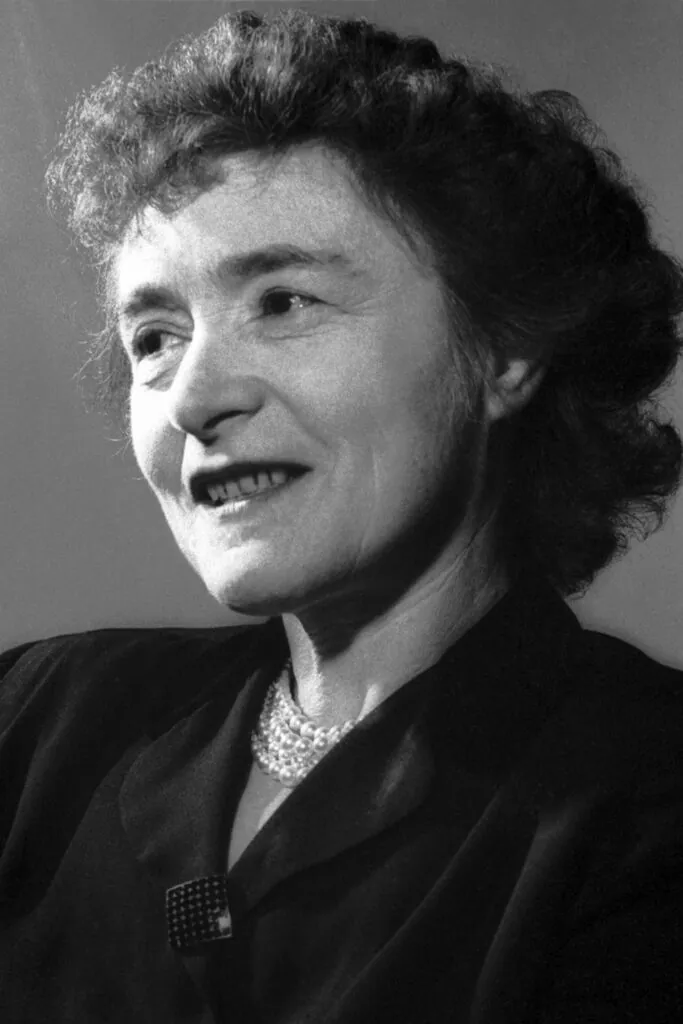
Gerty Theresa Radnitz was born in Prague on 15 August 1896, when the city was part of the Austro-Hungarian Empire [29]. Her family was Jewish and comfortably off: her father, Otto Radnitz, was a chemist who managed sugar refineries, and her mother was Martha Neustadt [6]. Gerty was the eldest of three daughters. Like most girls of her class she was educated at home before attending a lyceum for girls, a school that offered a good general education but did not prepare its pupils for university [29]. It is one of the small ironies of her life that the industry in which her father worked, the refining of sugar beet into sucrose, was so close to the science that would make her famous: the study of how the body stores and spends its sugar.
The idea of studying medicine came, according to the Jewish Women’s Archive, from her maternal uncle, a professor of paediatrics [6]. But a girl from a lyceum lacked the Latin, mathematics, physics and chemistry required for the university entrance examination, the Matura. Gerty had to make good years of missing schooling in a very short period. The Nobel Foundation’s biography records simply that she studied for the examination and passed it at the Realgymnasium in Tetschen in 1914 [29]; other accounts emphasise the scale of the effort, describing her compressing years of Latin and science into a single year of concentrated study. In the same year she entered the medical school of the German University of Prague, the German-language half of the old Charles University, which had been divided along national lines in 1882.
In her first year she met a fellow student, Carl Ferdinand Cori, the son of a zoologist who directed the marine biological station at Trieste [29]. They shared a love of mountaineering and skiing, and a fascination with laboratory research that was unusual among medical students. While still students they published a joint paper on the complement system of human serum, the first of many collaborations [29][6]. The First World War interrupted their studies; Carl served in the Austrian army’s medical corps, while Gerty worked as an assistant at the medical school. Both received their medical degrees in 1920, and in the same year they married. Carl’s family opposed the match, believing, as the Jewish Women’s Archive puts it, that her Jewish background would hamper his career. Gerty converted to Catholicism, but this did not entirely assuage their fears [6].
Leaving Europe
The early 1920s in Central Europe were hard years. The empire had collapsed, inflation was ruinous, and food was scarce. Gerty worked for two years at the Karolinen Children’s Hospital in Vienna, where she studied the regulation of body temperature and conditions such as congenital thyroid deficiency, while Carl worked in laboratories in Vienna and then in Graz [29][6]. Food shortages in post-war Vienna were severe enough to cause widespread malnutrition, and Gerty herself is reported to have suffered from an eye disease caused by vitamin A deficiency. More to the point, the outlook for a Jewish woman, even a baptised one, in Austrian academic medicine was poor. When Carl moved to Graz, Gerty could not obtain a position there. According to the Jewish Women’s Archive, their decision to leave Europe “was fueled primarily by rampant antisemitism” [6].
In 1922 Carl was offered a post as biochemist at the State Institute for the Study of Malignant Disease in Buffalo, New York, the institution later known as Roswell Park. Gerty followed six months later, when a position as assistant pathologist became available [6]. They became American citizens in 1928 [29]. The Buffalo years were productive but not easy. The institute’s director at one point threatened to dismiss Gerty if she did not stop collaborating with her husband, on the grounds that her place was in pathology and not in his biochemical studies. She continued anyway, and was kept on. The couple worked as a team, washing their own glassware, and between 1922 and 1931 published some eighty papers, the bulk of them jointly [6]. Gerty also published a number of papers as sole author.
The Cori cycle
The question that the Coris set out to answer in Buffalo was apparently simple: what regulates the amount of sugar in the blood? In the early 1920s insulin had just been discovered by Frederick Banting, Charles Best and their colleagues in Toronto, and adrenaline (then usually called epinephrine in America) was known to raise blood sugar. But the overall economy of carbohydrate in the body was obscure. Where did the glucose in the blood come from, where did it go, and how were these flows balanced?
The Coris approached the problem through careful balance studies in rats. They measured, with analytical methods of unusual precision that they themselves refined, how much glucose an animal absorbed, how much glycogen accumulated in its liver and muscles, and how much lactic acid appeared in its blood [6]. Glycogen is the body’s storage form of glucose: a large, branched molecule built from thousands of glucose units linked together, something like an animal equivalent of starch. It is stored chiefly in the liver and in skeletal muscle.
What the Coris found was a cycle. When a muscle works hard, especially when it works faster than its oxygen supply can support, it breaks down its stored glycogen to release glucose, and then partially burns that glucose through the process of glycolysis. The end product of this partial, oxygen-poor combustion is lactic acid, or lactate. Muscle cannot easily do anything further with lactate, so it releases it into the bloodstream. The blood carries the lactate to the liver. There, using energy, the liver converts the lactate back into glucose, and either stores it as glycogen or releases it into the blood. The blood then carries the glucose back to the muscles, where it can be stored again as glycogen or used for further work [6][30].
The significance of this cycle is easiest to grasp by analogy. Imagine a factory that runs on batteries. When the factory works at full tilt, it drains its batteries quickly and produces a pile of half-spent cells that it cannot recharge itself. It sends these spent cells by lorry to a central power station, which recharges them, at some cost in energy, and sends them back. The muscle is the factory, lactate the spent batteries, the liver the power station and the blood the lorry. The arrangement allows muscle to sustain bursts of intense activity well beyond what its own oxygen supply would allow, while transferring the metabolic cost of recovery to the liver. In 1929 the Coris described the liver’s role in turning lactate into glycogen, in a paper in the Journal of Biological Chemistry [30], and the cycle that bears their name has been part of every textbook of physiology and biochemistry since.
St Louis and the Cori ester
By the end of the 1920s the Coris were well known, and Carl received offers from several universities. Several of them would not employ Gerty. At one interview, according to an account recorded by her biographers, she was told it was considered “un-American” for a married couple to work together. In 1931, after refusing a position at a university that would have barred her from working with him, Carl accepted the chair of pharmacology at Washington University in St Louis [6]. Gerty was given a post as research associate, at a nominal salary reportedly a tenth of his. Thirteen years would pass before she held a professorial title [6].
In St Louis, the Coris moved from the whole animal to tissues, then to tissue extracts, and finally to purified enzymes [29]. The question now was not where glucose went but how, chemically, glycogen was broken down. In 1936, studying minced frog muscle, they discovered a previously unknown compound: glucose-1-phosphate, a molecule of glucose carrying a phosphate group on its first carbon atom. It became known as the “Cori ester” [29][6]. In the same year their only child, Thomas Carl Cori, was born.
The discovery of the Cori ester opened the door to a new understanding of glycogen metabolism. The Coris showed that glucose-1-phosphate was formed from glycogen by an enzyme they called phosphorylase, which uses inorganic phosphate to clip glucose units one at a time off the ends of the glycogen chains. This process, phosphorolysis, conserves energy that would be lost if glycogen were simply broken down by water. The Coris then showed that phosphorylase could also run in reverse: given glucose-1-phosphate and a small primer of glycogen, the enzyme could build up glycogen in a test tube. This was, the Jewish Women’s Archive notes, “the first demonstration of synthesis of a macromolecule in a test tube,” and it contradicted the then common belief that the building of complex biological molecules required the intact living cell [6]. The Nobel Foundation’s biography adds that the discovery “made possible the enzymatic synthesis of glycogen and starch in vitro” [29].
The Coris and their colleagues went on to crystallise phosphorylase and to show that it existed in two forms, an active and a less active one, which could be converted into each other. They did not fully explain the conversion, but later work by their former associates Edwin Krebs and Edmond Fischer showed that the two forms differ by the presence or absence of a phosphate group attached to the enzyme itself. This reversible “protein phosphorylation” is now recognised as one of the most important regulatory mechanisms in all of biology, controlling everything from metabolism to cell division, and Krebs and Fischer received the Nobel Prize for it in 1992. In this sense, as the Jewish Women’s Archive observes, the Coris’ work on the two forms of phosphorylase foreshadowed a whole field [6].
The Nobel Prize
In 1947 the Nobel Prize in Physiology or Medicine was divided: one half went jointly to Carl Ferdinand Cori and Gerty Theresa Cori, née Radnitz, “for their discovery of the course of the catalytic conversion of glycogen,” and the other half to the Argentine physiologist Bernardo Houssay “for his discovery of the part played by the hormone of the anterior pituitary lobe in the metabolism of sugar” [31]. Houssay’s work and the Coris’ were closely linked: both concerned the hormonal control of sugar metabolism, and the Coris themselves had studied the effects of pituitary extracts on the enzyme hexokinase [29].
Gerty Cori’s award was a landmark in several ways, and the framework for this essay states it slightly too strongly in one respect. She was the first woman to receive the Nobel Prize in Physiology or Medicine, and the first American woman to win any Nobel Prize in the sciences [27][6]. She was not, however, the first woman to win a science Nobel at all: Marie Curie had won in physics in 1903 and in chemistry in 1911, and her daughter Irène Joliot-Curie in chemistry in 1935 [27]. Gerty Cori was therefore the third woman, and the fourth award to a woman, in the scientific categories. She was also the first woman of Jewish birth to receive a Nobel Prize in science.
Her promotion to full professor at Washington University came only a few months before the prize, in 1947 [29][6]. Carl, meanwhile, had become chairman of the department of biological chemistry in 1946. The juxtaposition, a scientist recognised by the Nobel committee as an equal partner in a discovery but recognised by her own university as a full professor only just in time, says a good deal about the institutional position of women in American science in the first half of the twentieth century [20].
The year 1947 brought another and darker turn. Shortly before the prize was announced, while the couple were on a climbing trip in the Rockies, Gerty fell ill. She was diagnosed with myelosclerosis, also known as myelofibrosis, a progressive disease in which the bone marrow is replaced by fibrous tissue and the production of blood cells fails [6]. Some writers have speculated that her exposure to X-rays during her work in Buffalo contributed to the disease, though this cannot be established. She lived with the illness for ten years, requiring frequent blood transfusions.
Glycogen storage diseases
Her final decade was nevertheless one of her most productive. With her colleagues she discovered the “branching” and “debranching” enzymes that create and break the branch points in the glycogen molecule [6]. Glycogen is not a simple chain of glucose units but a tree, in which straight chains are joined to one another at branch points every dozen or so units. Phosphorylase can nibble only at the straight chains; a separate enzyme is needed to deal with the branches. Understanding this architecture was essential for the next step.
That step was medical. In the early 1950s Gerty Cori turned to the glycogen storage diseases, a group of rare inherited disorders in which children accumulate abnormal amounts or forms of glycogen in their liver, muscles or other organs, often with fatal consequences. Using tissue samples from affected children, she showed that each of several forms of the disease was caused by the absence or malfunction of a single specific enzyme in the glycogen pathway [6]. In one form the enzyme that releases glucose from the liver was missing; in another the debranching enzyme was defective, so that glycogen with abnormally short outer branches built up. This work established for the first time, as the Jewish Women’s Archive puts it, “that the lack or impairment of a single enzyme activity could cause a disease” [6]. The idea that a human disease could be traced to a single defective enzyme, and thence to a defective gene, was a cornerstone of what became molecular medicine. Gerty Cori’s classification of the glycogen storage diseases is still in use, and some of them are still referred to by the type numbers she assigned.
The Cori laboratory
The Cori laboratory at Washington University was, by the late 1940s, one of the great centres of enzymology in the world. Scientists from many countries came to work in it, and a remarkable number of them went on to win Nobel Prizes of their own. The Jewish Women’s Archive counts six laureates among those mentored by the Coris [6]; the most commonly listed are Severo Ochoa, Arthur Kornberg, Luis Leloir, Earl Sutherland, Christian de Duve and Edwin Krebs. Few laboratories in the history of science have such a record.
Contemporaries remembered Gerty as an intense, quick and exacting presence. One associate recalled that she was constantly in the laboratory, smoked incessantly and would rest on a cot in her small office when she was tired. She was a perfectionist about method and a demanding critic of sloppy work. She was also, by the account of her colleagues, warm and witty, an omnivorous reader and a lover of the outdoors. She once summarised her values in words that the Jewish Women’s Archive quotes: “Honesty, which stands mostly for intellectual integrity, courage and kindness are still the virtues I admire, though with advancing years the emphasis has been slightly shifted and kindness seem more important to me than in my youth. The love for and dedication to one’s work seem to me to be the basis for happiness” [6].
She received many other honours: the Garvan Medal of the American Chemical Society in 1948, the Sugar Research Prize of the National Academy of Sciences in 1950, the Borden Award in 1951 and honorary degrees from Boston University, Smith College, Yale and Columbia, among others [29]. She was elected to the National Academy of Sciences in 1948, only the fourth woman to be so honoured. President Truman appointed her to the board of the new National Science Foundation.
Gerty Cori died at her home in St Louis on 26 October 1957, at the age of sixty-one [29][6]. Carl survived her by twenty-seven years, remarried, and continued research until his death in 1984.
Partnership and its shadows
The Cori partnership raises a question that recurs throughout this essay: how should credit be divided when two scientists, one a man and one a woman, work so closely together that their contributions cannot be separated? The Jewish Women’s Archive’s entry on Gerty Cori declines to try: “With a couple interacting so intimately, it is difficult to divide credit between them and no attempt will be made to do so” [6]. That is a sensible principle, and the Nobel committee in effect adopted it in 1947, dividing the Coris’ half of the prize equally between them [31].
But institutions in the 1920s and 1930s did not adopt it. They assumed, almost automatically, that the man was the principal investigator and the woman his assistant. The practical consequences were salary, rank, security and independence. When universities competed for Carl, they did not compete for Gerty; when Washington University hired him as a department chairman, it hired her as a research associate [6]. The same pattern would recur in the careers of other scientific couples in the period, and Margaret Rossiter’s history documents many cases in which a wife’s career was held hostage to anti-nepotism rules designed, in principle, to prevent favouritism, but applied in practice to keep married women in subordinate positions [20].
There is a further, more subtle shadow. Because the Coris published jointly, and because Gerty died in 1957 while Carl lived until 1984, much of the later public memory of the partnership was shaped by him and by the institutions he led. It is a measure of the strength of her reputation among biochemists that, in spite of this, she is remembered today as the more celebrated of the two; the Jewish Women’s Archive suggests that this is partly because she is regarded as a pioneer for women in science [6]. Her independent work on the glycogen storage diseases, done in the last decade of her life and largely under her own direction, is a reminder that she was a great scientist in her own right, not merely the junior partner in a marriage.
Her Jewish origins, too, cast a shadow over the partnership from the beginning. Carl’s family opposed the marriage on the grounds that her background would harm his prospects, and her conversion did not entirely reassure them [6]. The couple’s decision to leave Central Europe in 1922 was driven, at least in part, by antisemitism [6]; had they stayed, it is hard to imagine that Gerty, a woman of Jewish birth married to a non-Jewish academic in Austria, would have survived the 1930s with her career, or perhaps her life, intact. The Nobel Prize of 1947, awarded two years after the end of the war, honoured a scientist who had escaped, by a quarter of a century’s foresight, the catastrophe that destroyed so much of the world she came from.
Legacy
Gerty Cori’s legacy can be measured in three ways. The first is scientific. The Cori cycle, the Cori ester, the phosphorylase enzymes and the classification of glycogen storage diseases are all permanent parts of biochemistry. More broadly, the Coris’ insistence on precise quantitative measurement, and their progression from the whole animal to isolated enzymes, helped to define the method of twentieth-century biochemistry. Their discovery that a macromolecule could be synthesised by a purified enzyme in a test tube removed one of the last refuges of vitalism, the belief that the chemistry of life is fundamentally different from ordinary chemistry.
The second legacy is institutional and human. Through the young scientists who passed through their laboratory, the Coris shaped enzymology and molecular biology for a generation. Their laboratory at Washington University was designated a National Historic Chemical Landmark by the American Chemical Society in 2004 [32].
The third legacy is symbolic. Gerty Cori stands at the head of a line of women laureates in physiology or medicine, and her career illustrates in miniature the obstacles faced by women of her generation: the need to make up schooling denied to girls, the antisemitism that drove her from Europe, the anti-nepotism rules that kept her in low-paid posts, and the assumption that a married woman’s work was an adjunct to her husband’s. Her collaboration with Carl is often held up as an example of a scientific partnership between equals, and so it was; Carl refused, more than once, to take a post that excluded her [6]. But the very fact that her career depended on his willingness to refuse is itself a measure of how much the system was weighted against her. In 2008 the United States Postal Service honoured her with a stamp, and a crater on the Moon and another on Venus bear her name. Her deeper memorial is the fact that every student who learns how muscles recover from exercise, or how a child with a rare metabolic disease is diagnosed, is learning her work.
Chapter 2. Rosalyn Sussman Yalow (1921–2011), Measuring the Invisible
A stubborn, determined child
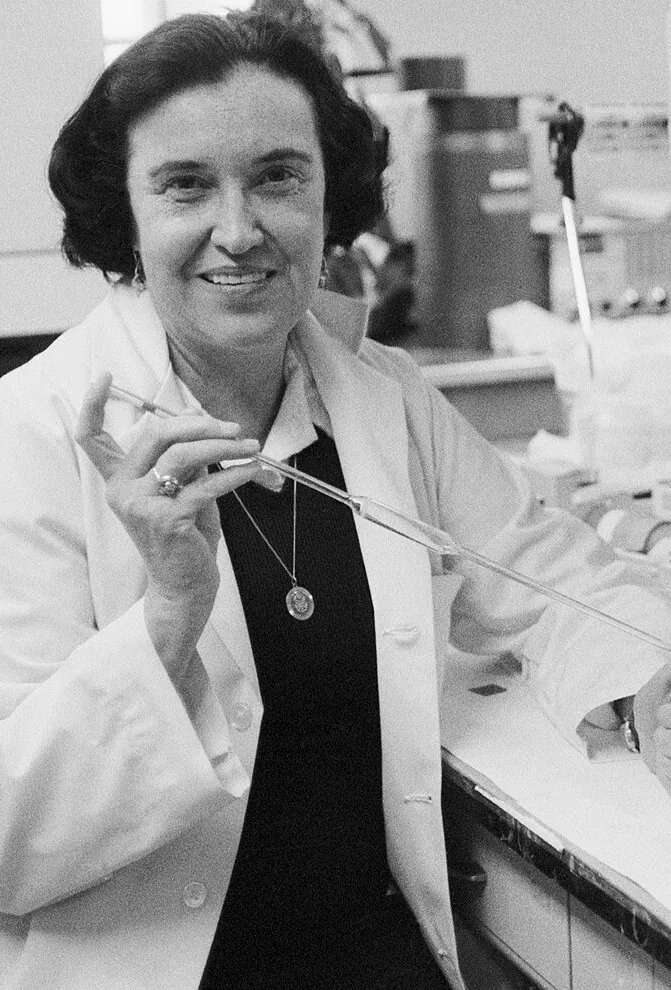
Rosalyn Sussman was born in New York City on 19 July 1921 and, as she wrote in her Nobel autobiography, lived and worked there for her entire life except for three and a half years as a graduate student in Illinois [19]. Her mother, Clara Zipper, had come to America from Germany at the age of four; her father, Simon Sussman, was born on the Lower East Side of Manhattan, which she described as “the Melting Pot for Eastern European immigrants.” Neither parent had completed high school, but, she recalled, “there was never a doubt that their two children would make it through college” [19]. The family had no books at home, so her older brother Alexander took her every week to the public library.
Her own account of her childhood begins with a characteristic sentence: “Perhaps the earliest memories I have are of being a stubborn, determined child.” Her mother, she added, told her that it was fortunate she chose to do acceptable things, “for if I had chosen otherwise no one could have deflected me from my path” [19]. By the seventh grade she was committed to mathematics. A chemistry teacher at Walton High School in the Bronx excited her interest in chemistry, and at Hunter College, the free public college for women in New York’s city system, her interest shifted to physics under the influence of her professors [19][7].
These were the years when nuclear physics seemed, as she put it, “the most exciting field in the world.” In January 1939, as a junior, she was in the audience, “hanging from the rafters” of a lecture room in Columbia University’s Pupin Laboratories, when Enrico Fermi gave a colloquium on the newly discovered phenomenon of nuclear fission [19], the phenomenon that Lise Meitner and Otto Frisch had explained only weeks earlier. She had read Eve Curie’s biography of her mother, which she later said should be on the reading list of every aspiring female scientist. Her family thought she should become an elementary school teacher. Her professors encouraged her to persist.
The back door
Persisting was not easy. Yalow graduated from Hunter in January 1941, Phi Beta Kappa and magna cum laude, with a degree in physics and chemistry [7]. She applied for graduate places with financial support and was refused. According to the Jewish Women’s Archive, only one admissions office was honest enough to state the real reason: as a Jew and a woman, she was not expected to find a job in the field [7]. One of her professors, Jerrold Zacharias, found her a part-time secretarial post with the biochemist Rudolf Schoenheimer at Columbia’s College of Physicians and Surgeons, which was supposed to provide, in her words, “an entrée for me into graduate courses, via the backdoor.” The condition was that she learn stenography [19].
She had been at business school only a few weeks when, in mid-February 1941, an offer came of a teaching assistantship in physics at the University of Illinois at Urbana-Champaign. “It was an achievement beyond belief,” she wrote. “I tore up my stenography books” [19]. At the first meeting of the faculty of the College of Engineering that autumn, she discovered she was the only woman among its four hundred members; the dean told her she was the first woman there since 1917. She was clear-eyed about the reason: “It is evident that the draft of young men into the armed forces, even prior to American entry into the World War, had made possible my entrance into graduate school” [19].
At Illinois she met Aaron Yalow, a fellow graduate student in physics and the son of an Orthodox rabbi from upstate New York, whom she married in June 1943 [7][19]. Her preparation had been thinner than that of her male colleagues, because Hunter had only begun offering a physics major in her final year, so she sat in on undergraduate courses without credit while taking graduate courses and teaching. When the chairman of the physics department saw her first-year grades, straight As except for an A-minus in an optics laboratory, he remarked, as she recalled, “That A- confirms that women do not do well at laboratory work.” She wrote that the “hard work and subtle discrimination were of no moment” [19]. She received her doctorate in nuclear physics in January 1945, supervised by Maurice Goldhaber. She noted that his wife, the physicist Gertrude Goldhaber, held no university post because of anti-nepotism rules [19].
Radioisotopes and the Bronx VA
Back in New York, Yalow worked for a time as an engineer at the Federal Telecommunications Laboratory, then taught physics at Hunter. She wanted to do research, but research posts were not routinely offered to women. Through her husband, who was working in medical physics at Montefiore Hospital, she made contact with Bernard Roswit, chief of radiotherapy at the Bronx Veterans Administration Hospital [7]. In 1947 the Veterans Administration had begun a programme to explore the use of radioactive isotopes in diagnosis and therapy, a peaceful by-product of wartime nuclear research. Roswit offered Yalow laboratory space and a small consultancy. She held that consultancy alongside her teaching post for three years, and in 1950 she left Hunter to work at the hospital full time as physicist and assistant chief of the radioisotope service [7].
What she needed, she realised, was a partner with clinical knowledge. In 1950 she began working with Solomon A. Berson, a young internist at the hospital. Their partnership lasted twenty-two years, until Berson’s death in 1972. The Jewish Women’s Archive records that they sometimes finished each other’s sentences and joked about telepathy [7]. Berson taught Yalow medicine; Yalow taught Berson physics and mathematics. Both were demanding, intense and often abrasive with outsiders, and together they built one of the most productive research partnerships in twentieth-century medicine.
They began with radioactive iodine in the diagnosis and treatment of thyroid disease, went on to use radioisotopes to measure blood volume, and then turned to the metabolism of insulin [7].
An unexpected antibody
At the time, the leading theory of adult-onset diabetes, put forward by the American physician I. Arthur Mirsky, was that it was caused by an abnormally rapid destruction of insulin by an enzyme in the liver. To test this idea, Berson and Yalow injected insulin labelled with radioactive iodine into patients and followed how quickly the radioactivity disappeared from the blood. To their surprise, the labelled insulin disappeared more slowly, not more quickly, in patients who had previously been treated with insulin injections, whether or not they were diabetic.
The explanation they proposed was that the patients had made antibodies against the injected insulin. Insulin for therapy was then extracted from the pancreases of cattle and pigs, and it differs slightly in its chemical structure from human insulin. Berson and Yalow suggested that the immune system of a patient receiving animal insulin recognised it as foreign and produced antibodies that bound to it, slowing its removal from the circulation. This was a controversial claim. Insulin was a small molecule by the standards of the day, and the received wisdom was that such small molecules could not provoke an antibody response. The paper was initially rejected [7]; Yalow later recounted in her Nobel lecture that Science turned it down and that the Journal of Clinical Investigation accepted it only after a compromise over the claim that the binding protein was an antibody, and she reproduced part of the rejection correspondence there [33]. The paper appeared in 1956, with the cautious phrase “insulin binding globulin” in its title [34]. The episode left her with a lifelong scepticism of scientific orthodoxy.
Radioimmunoassay
The idea of radioimmunoassay grew out of this work. Berson and Yalow realised that if antibodies to insulin existed and bound to radioactively labelled insulin, the binding could be used to measure insulin itself. The principle is one of competition. Imagine a fixed number of antibody molecules in a test tube, each able to bind one molecule of insulin. Now add a fixed, small amount of insulin that has been tagged with a radioactive label. The labelled insulin binds to the antibodies. If one then adds a sample of a patient’s blood, the unlabelled insulin in the blood competes with the labelled insulin for the limited number of antibody binding sites. The more insulin there is in the patient’s sample, the less labelled insulin can bind. By separating the antibody-bound insulin from the free insulin and measuring the radioactivity in each fraction, and by comparing the result with a standard curve prepared using known amounts of insulin, one can calculate with great precision how much insulin was in the patient’s blood.
The analogy most often used is that of musical chairs. The antibodies are chairs; the radioactive insulin molecules are players wearing red shirts; the patient’s insulin molecules are players wearing white shirts. If you count how many red shirts have found a seat, you can work out how many white shirts must have been competing for the chairs. The radioactive label is what makes the red shirts visible, and because radioactivity can be detected in vanishingly small quantities, the method is extraordinarily sensitive. Berson and Yalow’s 1960 paper in the Journal of Clinical Investigation described the immunoassay of endogenous plasma insulin in human beings, measuring concentrations of the order of billionths of a gram per millilitre [35]. Before RIA, hormones circulating at such low concentrations could be measured only crudely, if at all, through bioassays that depended on their effects on animals. It is worth dwelling on what this meant in practice. A bioassay for a hormone might involve injecting an extract into a group of rats or rabbits and measuring a change in their blood sugar or the weight of a gland; it required large samples, many animals and much time, and it was imprecise. Radioimmunoassay required a fraction of a millilitre of blood, could be run on hundreds of samples at once, and gave a number. It turned endocrinology from a science of inference into a science of measurement. In her Nobel lecture Yalow described RIA as a probe for the fine structure of biological systems, and she emphasised that the principle was general: anything against which an antibody could be raised, and which could be labelled, could in principle be measured [33].
The consequences were vast. Using RIA, Berson and Yalow showed that adult-onset (type 2) diabetics often had normal or even raised levels of insulin in their blood, which demonstrated that the disease was not, in most cases, a simple lack of insulin but a failure of the body to respond to it properly. This was a fundamental reconception of the most common form of diabetes. The technique was then extended to growth hormone, adrenocorticotrophic hormone, parathyroid hormone, gastrin and a long list of other peptide hormones, and it rapidly spread beyond endocrinology. As the Jewish Women’s Archive summarises, RIA made possible major advances in diabetes research and in the treatment of disorders of growth, thyroid function and fertility; it was used to screen newborn babies for underactive thyroid glands, preventing the intellectual disability that untreated congenital hypothyroidism causes; it was applied to drugs, vitamins, viruses and enzymes; and it helped give birth to neuroendocrinology [7]. Blood banks used it to screen donated blood for the hepatitis B virus. By the 1970s RIA was in use in thousands of laboratories around the world.
Berson and Yalow deliberately did not patent the method. They believed that a technique of such medical value should be freely available, and they spent a great deal of time teaching others how to use it. The decision cost them a fortune and shaped their reputations as scientists who placed public benefit above private gain.
Motherhood in the laboratory
Yalow’s career coincided with the years in which she raised two children, and she did so in ways that were remarkable for the time. The Veterans Administration’s policy was that women had to stop work at five months of pregnancy; she ignored it. Her son Benjamin was born in 1952 and her daughter Elanna in 1954, and on each occasion, according to the Jewish Women’s Archive, she was back in her laboratory within about a week [7]. She came home every day to give the children lunch, cooked dinner every evening, and often returned to the laboratory afterwards, working sixty to eighty hours a week. She kept a kosher home in deference to her husband’s wishes and invited her laboratory staff to Passover seders [7].
Her attitudes to the position of women were, in some respects, more traditional than her own life might suggest. She was quoted in the New York Post as saying, “It’s true that women are different from men. If you want to be a good wife, you have to work a little harder” [7]. She disliked being singled out for prizes intended for women, and she was sceptical of what she saw as special pleading. Yet she also believed passionately that women were being kept out of science by prejudice, and she said so in the most public forum available to her.
The Nobel Prize
Solomon Berson died suddenly of a heart attack in 1972, at the age of fifty-three. Yalow asked that their laboratory be renamed the Solomon A. Berson Research Laboratory, and she continued to publish prolifically, including some sixty papers on parathyroid and gastrointestinal hormones [7]. In 1976 she became the first woman to receive the Albert Lasker Award for Basic Medical Research [7].
In 1977 the Nobel Prize in Physiology or Medicine was divided: one half went jointly to Roger Guillemin and Andrew Schally “for their discoveries concerning the peptide hormone production of the brain,” and the other half to Rosalyn Yalow “for the development of radioimmunoassays of peptide hormones” [36]. Since the Nobel Prize is not awarded posthumously, Berson could not share it. Yalow said publicly that she believed he would have shared it had he lived. Guillemin and Schally’s own work on the hypothalamic hormones that control the pituitary gland had itself relied in part on radioimmunoassay.
Yalow was the second woman to receive the Nobel Prize in Physiology or Medicine, after Gerty Cori [27], and the first American-born woman to win a Nobel Prize in any science. At the Nobel banquet in Stockholm on 10 December 1977, she was chosen to respond on behalf of all the laureates, and she used the occasion to speak about women. Her words are worth quoting at length from the Nobel Foundation’s record:
“We still live in a world in which a significant fraction of people, including women, believe that a woman belongs and wants to belong exclusively in the home; that a woman should not aspire to achieve more than her male counterparts and particularly not more than her husband. … We cannot expect in the immediate future that all women who seek it will achieve full equality of opportunity. But if women are to start moving towards that goal, we must believe in ourselves or no one else will believe in us; we must match our aspirations with the competence, courage and determination to succeed; and we must feel a personal responsibility to ease the path for those who come afterwards. The world cannot afford the loss of the talents of half its people if we are to solve the many problems which beset us.” [37]
The speech also contains a precise diagnosis of the problem: “The failure of women to have reached positions of leadership has been due in large part to social and professional discrimination.” And she addressed the students of Stockholm directly, noting that among them women were represented “in reasonable proportion to their numbers in the community; yet among the scientists, scholars and leaders of our world they are not” [37].
A physicist in medicine
It is easy, in retrospect, to see why radioimmunoassay emerged where it did, at the intersection of nuclear physics and clinical medicine. Yalow brought to the Bronx VA the skills of an experimental nuclear physicist: she knew how to make and handle radioactive isotopes, how to build and calibrate counting apparatus, and how to think quantitatively about the binding of molecules. Her thesis work under Goldhaber had made her, as she wrote, “skilled in making and using apparatus for the measurement of radioactive substances” [19]. Berson brought clinical knowledge, a feeling for physiology and a sense of which questions mattered to patients. Neither could have invented RIA alone.
The disciplinary crossing was itself a consequence of discrimination. Had Yalow been offered a research post in a university physics department after the war, she might well have spent her career in nuclear physics, and radioimmunoassay might have been invented later, by someone else, or not in the same form. It was because research posts in physics “were not routinely offered to women” [7] that she went looking for work in a hospital, and it was in the hospital that she found her problem. The same pattern, of women pushed to the margins of their disciplines and finding there problems that the mainstream had ignored, recurs in the careers of Elion, in industry, and Rubin, in an unfashionable corner of astronomy.
Yalow’s reputation among her contemporaries was formidable, and not always comfortable. She was known as a demanding laboratory head, impatient with sloppy thinking and capable of fierce argument; she defended her views on the safety of low-level radiation against all comers. Some of the qualities that made her difficult to work with, her stubbornness above all, were the same qualities that had carried her from the Bronx to Stockholm, and she described herself, without apology, as “a stubborn, determined graduate student” [19]. The adjective that recurs in her own account is “determined,” and it was well chosen.
Her attitude to her Jewishness was straightforward and unselfconscious. She kept a kosher home, celebrated the festivals with her family and laboratory staff, and was married to a rabbi’s son [7]. She did not, so far as her own writings show, see her religion and her science as being in tension. In this she differs from several of the European women in this essay, for whom Jewishness was primarily an ancestry imposed on them by hostile states. For Yalow, it was a living practice, carried on in the Bronx alongside, and without apparent conflict with, one of the great careers in American medical science.
Later years and legacy
Yalow remained at the Bronx VA, in a modest laboratory, for the rest of her working life, while holding academic appointments at the Mount Sinai School of Medicine, the Albert Einstein College of Medicine and Yeshiva University, and chairing the department of clinical sciences at Montefiore Hospital and Medical Center from 1980 to 1985 [7]. She received the National Medal of Science in 1988 and was elected to the National Academy of Sciences in 1975. She became something of a public figure, appearing on television to explain science and to argue, often against prevailing opinion, that the dangers of low-level radiation were exaggerated and that nuclear medicine and nuclear power were being held back by unfounded fears. Not everyone agreed with her, and she relished the argument.
She was also an important mentor. It was Yalow, as a young instructor at Hunter, who encouraged Mildred Spiewak, later Mildred Dresselhaus, to apply for graduate fellowships and pursue physics rather than teaching [18]. The connection between the two, one of the many hidden lines that run through this essay, is a reminder of how much depended on the encouragement of a single teacher in an institution like Hunter.
Rosalyn Yalow died in the Bronx on 30 May 2011, at the age of eighty-nine [7]. By then radioimmunoassay had in many applications been supplanted by related techniques, such as enzyme-linked immunosorbent assays, which use enzymes rather than radioactivity to generate a signal. But these are descendants of RIA rather than replacements for its central idea: the use of the exquisite specificity of antibodies, combined with a sensitive label, to detect and measure tiny quantities of a substance in a complex biological fluid. Every pregnancy test, every hormone panel, every immunoassay for a cardiac marker or a cancer antigen owes something to the competition principle that Berson and Yalow worked out in the Bronx.
Yalow’s career illustrates several themes that recur throughout this essay. She was the product of a free public college that gave a working-class Jewish girl from the Bronx access to an education that private universities would have denied her. She entered graduate school through a door that the war had opened by taking men away. She did her prize-winning work not in an elite university but in a veterans’ hospital, as a physicist in a field of medicine, crossing a disciplinary boundary that a more conventional career might never have crossed. And she insisted, at the moment of her greatest public recognition, on speaking about the women who were still being excluded. Her phrase about the world being unable to afford the loss of the talents of half its people has become one of the most widely quoted statements on women in science.
Chapter 3. Gertrude Belle Elion (1918–1999), The Purine Path
A grandfather’s death
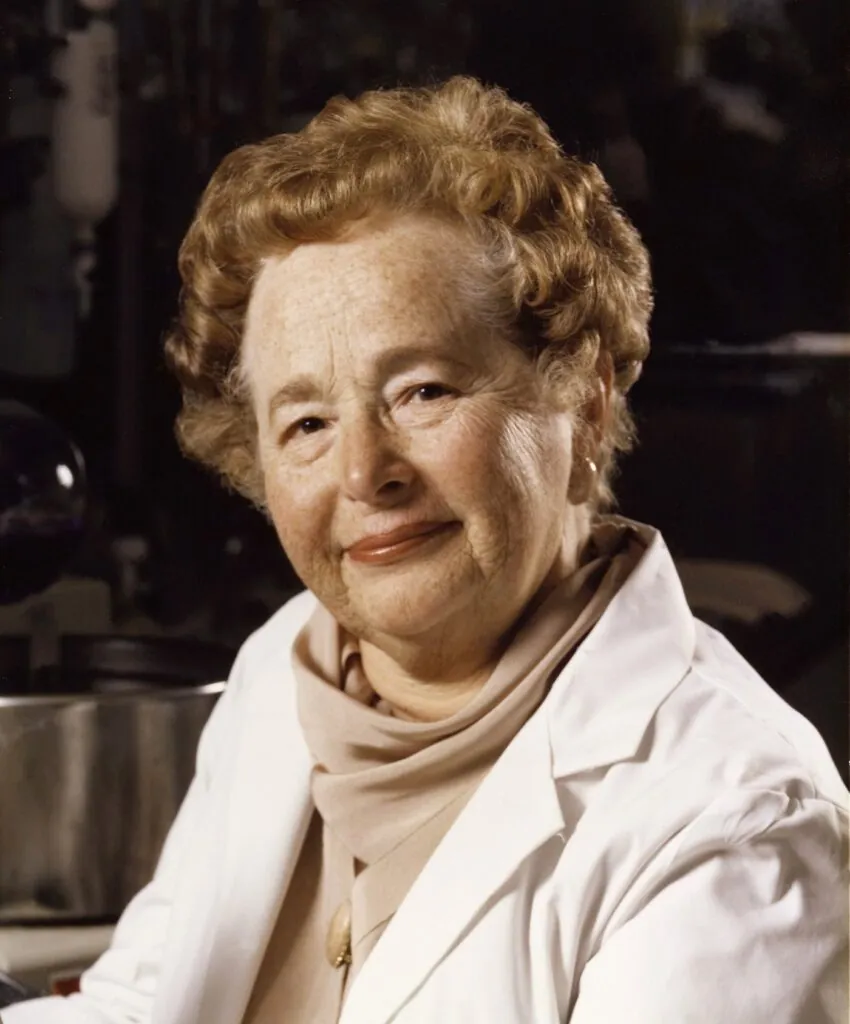
Gertrude Belle Elion was born in New York City on 23 January 1918, on a night so cold, she recalled, that the water pipes in the family’s apartment froze and burst [17]. Her father, Robert Elion, had emigrated from Lithuania at the age of twelve and qualified as a dentist at New York University in 1914; according to the Jewish Women’s Archive, he came from a long line of rabbis [38]. Her mother, Bertha Cohen, had come at fourteen from a part of the Russian Empire that later became Poland, and married at nineteen [17]. Gertrude, always known as Trudy, spent her first years in a large Manhattan apartment adjoining her father’s surgery; when she was about seven, after the birth of her brother Herbert, the family moved to the Bronx, then almost a suburb, with open lots and the Bronx Zoo nearby.
She described herself as “a child with an insatiable thirst for knowledge” who enjoyed all her subjects almost equally [17]. The choice of a direction came through grief. When she was fifteen, her grandfather, whom she loved dearly, died of cancer. “I was highly motivated,” she wrote, “to do something that might eventually lead to a cure for this terrible disease” [17]. The Jewish Women’s Archive adds that, combined with an aversion to dissecting animals, this led her to choose chemistry as “a logical first step in committing myself to fighting the disease” [38].
By then the family’s circumstances had changed. Her father had invested heavily in the stock market and was ruined in the crash of 1929, although he kept his dental practice. “Had it not been that Hunter College was a free college, and that my grades were good enough for me to enter it,” she wrote, “I suspect I might never have received a higher education” [17]. She entered Hunter in 1933 at the age of fifteen and graduated summa cum laude in chemistry in 1937 [38].
Years in the wilderness
The America of 1937 had little use for a young woman chemist. “Jobs were scarce,” Elion wrote, “and the few positions that existed in laboratories were not available to women” [17]. She applied to a number of universities in the hope of an assistantship or fellowship, without success [17]. She took a three-month job teaching biochemistry to nurses at the New York Hospital School of Nursing. Then she found a chemist who needed a laboratory assistant but could not pay one; she worked for him anyway, eventually earning, as she put it with some irony, “the magnificent sum of $20 a week” [17].
With her savings and help from her parents, she entered graduate school at New York University in 1939. “I was the only female in my graduate chemistry class,” she recalled, “but no one seemed to mind, and I did not consider it at all strange” [17]. Having finished her coursework in a year, she supported herself as a substitute teacher of chemistry, physics and general science in New York secondary schools while doing her master’s research at night and at weekends. She received her MSc in chemistry in 1941 [17][38].
In these years she also suffered a private loss that she rarely discussed: the death of her fiancé. The Jewish Women’s Archive records that she never married [38]. Biographers have often linked this second loss, like the first, to her determination to find drugs that would cure disease.
The Second World War, as for Yalow, opened doors. With men drafted, industrial laboratories needed chemists. Elion worked for a year and a half doing analytical quality control for a major food company; she learned a good deal about instrumentation but found the work so repetitive that she was “no longer learning anything” [17]. A research job at Johnson & Johnson lasted six months before the laboratory was disbanded [17]. Then, in 1944, she was offered a position as assistant to George H. Hitchings at the Burroughs Wellcome Company in Tuckahoe, New York [38].
The Hitchings laboratory
The partnership between Elion and Hitchings lasted for most of four decades and is one of the great collaborations of pharmaceutical science. Hitchings, thirteen years her senior, gave her unusual freedom. “Dr. Hitchings permitted me to learn as rapidly as I could and to take on more and more responsibility when I was ready for it,” she wrote. “From being solely an organic chemist, I soon became very much involved in microbiology and in the biological activities of the compounds I was synthesizing. I never felt constrained to remain strictly in chemistry, but was able to broaden my horizons into biochemistry, pharmacology, immunology, and eventually virology” [17].
She still wanted a doctorate. She enrolled for a PhD at the Brooklyn Polytechnic Institute, studying at night after long days in the laboratory and a long commute. After several years she was told that she could no longer continue part time: she would have to give up her job and study full time. “I made what was then a critical decision in my life,” she wrote, “to stay with my job and give up the pursuit of a doctorate” [17]. It is one of the best-known facts about her that she never earned a PhD. In later life she received more than twenty honorary doctorates, and she remarked that after the first three, from George Washington University, Brown University and the University of Michigan, she decided that “perhaps that decision had been the right one after all” [17][38].
Rational drug design
To understand what Elion and Hitchings did, it helps to understand how drugs were usually discovered before them. For most of history, medicines were found by trial and error: a plant extract or a chemical was observed to have a useful effect, and chemists then tried to purify and improve it. In the first half of the twentieth century, pharmaceutical companies screened thousands of compounds against diseases in animals in the hope that something would work. There was little understanding of why a drug worked when it did.
Hitchings had a different idea. All living cells need to make DNA in order to divide, and the building blocks of DNA include two kinds of ring-shaped molecules called purines (adenine and guanine) and pyrimidines (thymine and cytosine). Hitchings reasoned that cells that divide rapidly, such as bacteria, cancer cells and the cells of the immune system, must make DNA rapidly and therefore have a particularly great need for these building blocks. If one could make molecules that closely resembled the natural purines and pyrimidines, but differed in some crucial detail, those molecules might be taken up by the cell’s enzymes and then jam the machinery, like a counterfeit key that fits a lock but will not turn. Such compounds are called antimetabolites. Moreover, since the enzymes of bacteria, viruses, tumours and human cells differ in detail, it might be possible to design antimetabolites that jam the machinery of the target cell more than that of the patient.
This was, at the time, a bold strategy, because in the 1940s very little was known about how cells actually made nucleic acids. Elion’s assignment was the purines. “Each series of studies was like a mystery story,” she wrote, “in that we were constantly trying to deduce what the microbiological results meant, with little biochemical information to help us” [17]. The team tested their compounds on a bacterium, Lactobacillus casei, which needed purines from its environment to grow, and gradually built up a picture of which molecular changes blocked growth and why. In the mid-1950s, the work of other biochemists on the pathways of purine synthesis allowed many of their findings to “fall into place” [17].
The approach that Elion and Hitchings pioneered became known as rational drug design: the deliberate creation of drugs based on an understanding of the biochemical differences between normal cells and pathogens or diseased cells. The Jewish Women’s Archive summarises their method precisely: they “exploited the biochemical differences between normal cells and rapidly dividing, pathogenic cells such as cancer, bacteria, and viruses in order to develop new drugs” [38]. When the Nobel Assembly at the Karolinska Institute honoured them, together with the British pharmacologist James Black, it did so “for their discoveries of important principles for drug treatment” [39], a citation that emphasises the method rather than any single drug.
The drugs
The list of medicines that came out of the Elion–Hitchings laboratory is extraordinary, and each deserves a sentence of explanation.
The first great success was 6-mercaptopurine, synthesised by Elion in 1951. It is a purine in which an oxygen atom has been replaced by sulphur. Tested against leukaemia, it produced remissions in children with acute leukaemia, a disease that in the early 1950s was almost invariably fatal within months. It was approved for use in the United States in 1953. The clinical testing was carried out at the Sloan-Kettering Institute in New York, where physicians treating children with leukaemia had been searching desperately for anything that might help; the speed with which the drug moved from a chemist’s bench to the clinic, and then to approval, reflected both the desperation of the disease and the striking nature of the responses. Elion later described in her Nobel lecture how the early remissions, though frequently followed by relapse, convinced her group that the purine approach was sound and spurred them to investigate how the drug was metabolised, how resistance arose and how its action could be improved [40]. That habit of returning again and again to the fate of a compound in the body, asking what enzymes acted on it and what became of it, was the seed of almost everything that followed. On its own, 6-mercaptopurine produced remissions that were usually temporary, but in combination with other drugs it became a cornerstone of the treatment of acute lymphoblastic leukaemia, the commonest childhood cancer, whose cure rate rose over the following decades to the large majority of cases. A related compound, thioguanine, became a treatment for acute myeloid leukaemia.
The second success came from studying how the body breaks down 6-mercaptopurine. In an effort to make it last longer, Elion and her colleagues developed a derivative, azathioprine, which releases 6-mercaptopurine slowly. Azathioprine turned out to be a powerful suppressor of the immune system. In the early 1960s the British surgeon Roy Calne, working with Joseph Murray in Boston, showed that it could prevent the rejection of transplanted kidneys in dogs, and it was soon used in human patients. Azathioprine made possible the first successful kidney transplants between people who were not identical twins, and for two decades it was the mainstay of transplant medicine. It is still used for autoimmune diseases such as rheumatoid arthritis and lupus [38].
The third came from studying how 6-mercaptopurine is broken down by an enzyme called xanthine oxidase. Elion’s group found a compound, allopurinol, that blocked this enzyme. Since xanthine oxidase also produces uric acid, whose crystals cause the excruciating joint inflammation of gout, allopurinol became, and remains, one of the principal treatments for gout and for the dangerous rise in uric acid that can follow cancer chemotherapy [38].
Hitchings’s broader programme also produced pyrimethamine, used against malaria and toxoplasmosis, and trimethoprim, an antibacterial drug that, combined with a sulphonamide, became one of the most widely prescribed antibiotics in the world. These came from inhibitors of an enzyme called dihydrofolate reductase, and depended on precisely the principle of selective toxicity: the bacterial form of the enzyme is far more sensitive to trimethoprim than the human form.
The fourth great achievement was in virology. In the late 1960s, most scientists believed that effective antiviral drugs were impossible, because viruses use the host cell’s own machinery to replicate and it seemed that any drug that stopped a virus would also poison the cell. Elion, following up an observation that a purine derivative had activity against DNA viruses, led the programme that, in the mid-1970s, produced and characterised acyclovir [40]. Acyclovir’s genius lies in its selectivity. In its original form it is inactive. It is activated by an enzyme, thymidine kinase, that is made by herpes viruses but scarcely acts on acyclovir in uninfected human cells. Once activated inside an infected cell, acyclovir is incorporated into the growing viral DNA and stops its replication. Uninfected cells are left largely untouched. Acyclovir became the first effective and safe treatment for herpes simplex and herpes zoster infections, and it transformed the outlook for patients with life-threatening herpes infections, such as herpes encephalitis and infections in people with weakened immune systems [38]. It also demonstrated, decisively, that selective antiviral drugs were possible.
Elion retired in 1983, but her methods and her colleagues continued. In 1984 and 1985, researchers at Burroughs Wellcome, trained in the approach she had developed, showed that azidothymidine, a compound originally synthesised elsewhere as a possible cancer drug, was active against the human immunodeficiency virus. As AZT (zidovudine), it became in 1987 the first drug approved for the treatment of AIDS. The Jewish Women’s Archive states that the techniques developed by Elion “resulted in the development of the AIDS treatment AZT” and that her laboratory created it the year after her retirement, based on her contributions [38]. It would be an overstatement to call AZT her drug, but it was a direct product of the scientific culture she had built.
Mentor and leader
From 1967 Elion headed the department of experimental therapy at Burroughs Wellcome, which moved from New York to Research Triangle Park in North Carolina in 1970. She was known as a demanding but generous leader who encouraged her junior colleagues to publish under their own names and ensured that they, rather than she, received credit for their work [38]. After retirement she taught at Duke University, served as president of the American Association for Cancer Research in 1983–84, and worked with the World Health Organization on tropical diseases [38].
Science outside the university
Elion’s career also illuminates a part of the history of women in science that is easily overlooked. Margaret Rossiter’s history of American women scientists shows how, in the first half of the twentieth century, many trained women found their way not into university faculties but into government agencies, hospitals and industrial laboratories, often in subordinate roles as assistants, analysts and “computers” [20]. Industry was in some ways more open than the academy, because it cared about results and was less bound by the rituals of academic hierarchy; in other ways it was less open, because the posts of real authority remained firmly in male hands. Elion’s rise from assistant to department head, at a company whose British parent had a long tradition of supporting research, was unusual. It depended on the war, which created the vacancy; on Hitchings, who was willing to let her advance as fast as her abilities allowed; and on her own extraordinary productivity.
Her Jewish background figures less explicitly in her own accounts than in those of some of the other women in this essay. She did not describe antisemitism as a major obstacle in the way that Yalow did, and the barriers she emphasised were those of the Depression and of attitudes to women. But the world she grew up in, of immigrant parents who prized learning, a father from a rabbinical family, a free city college that gave the daughters of the Bronx a first-class scientific education, was the same world that produced Yalow and Dresselhaus. The pattern is hard to miss.
The Nobel Prize and other honours
The 1988 Nobel Prize in Physiology or Medicine was awarded jointly to Sir James W. Black, Gertrude B. Elion and George H. Hitchings [39]. Black, working independently in Britain, had developed the beta-blocker propranolol and the anti-ulcer drug cimetidine using a similar philosophy of rational design. The award was unusual in recognising industrial rather than academic scientists, and Elion was unusual among laureates in having no doctorate. She was the fifth woman to receive the prize in physiology or medicine [27].
She received many other honours: the Garvan Medal of the American Chemical Society in 1968, the National Medal of Science in 1991 and election to the National Academy of Sciences, among others [38]. In 1991 she became the first woman inducted into the National Inventors Hall of Fame.
Asked about prizes, she was consistently clear that they were not the point. In interviews late in life she said that the reward of her work lay in the patients it had helped, and she kept letters from people whose lives her drugs had saved. Gertrude Elion died in North Carolina on 21 February 1999, at the age of eighty-one.
The philosophy of selective toxicity
Behind the list of drugs lies an idea that deserves to be stated plainly, because it was Elion and Hitchings’s deepest contribution. The idea is that a drug works by exploiting a difference. A cancer cell, a bacterium, a virus or an overactive immune cell differs from the healthy cells around it in some aspect of its biochemistry: it may depend more heavily on a particular pathway, use a slightly different version of an enzyme, or be dividing faster. If one understands that difference, one can design a molecule that attacks the target more than the host.
This principle, often called selective toxicity, was not new; Paul Ehrlich had articulated it at the beginning of the twentieth century, in his search for “magic bullets.” What Elion and Hitchings did was to make it systematic. They built up, compound by compound and experiment by experiment, a detailed map of how purines and their analogues were taken up, transformed and broken down in different kinds of cells. Each new drug emerged from studying the fate of a previous one. Azathioprine emerged from the attempt to prolong the action of 6-mercaptopurine; allopurinol from the study of how 6-mercaptopurine was broken down; acyclovir from following up a hint of antiviral activity in a related compound [40]. The drugs were not found by luck. They were found by following a chain of biochemical reasoning, and each link in the chain was forged by careful experiment.
The 1988 Nobel citation, “for their discoveries of important principles for drug treatment” [39], is therefore precisely judged. The Nobel Assembly was not honouring a particular compound, as it had honoured penicillin in 1945, but a way of working. That way of working is now so universal in the pharmaceutical industry that it is difficult to imagine the alternative. When modern researchers design a drug to fit a particular enzyme or receptor, using the structure of the target and an understanding of the disease, they are working in the tradition that Elion and Hitchings began.
It is also worth noting the personal discipline that the approach demanded. Elion’s working life at Burroughs Wellcome stretched from 1944 to 1983, almost four decades, during which she stayed largely within a single family of molecules, the purines, and a single company. She did not move from fashionable problem to fashionable problem. She went deeper and deeper into one. The richness of what she found there, leukaemia drugs, an immunosuppressant, a gout treatment, the first selective antiviral, is a demonstration of how much can be discovered by sustained attention to a single, well-chosen field.
Legacy
Elion’s legacy is perhaps the most tangible of any scientist in this essay. Millions of people have taken drugs that she synthesised or that came directly from her programme: children cured of leukaemia, transplant recipients whose new kidneys were not rejected, gout sufferers spared pain, patients with herpes infections, and, indirectly, the first generation of people treated for HIV. Several of the drugs associated with her work are among the medicines the World Health Organization regards as essential.
Her deeper legacy is the method. The idea that drugs should be designed on the basis of an understanding of the biochemistry of disease, rather than found by random screening, is now the foundation of the pharmaceutical industry. Modern targeted therapies, from the antiretroviral cocktails that have made HIV a manageable condition to the kinase inhibitors used against many cancers, are the descendants of the purine path that Elion and Hitchings began to explore in the 1940s.
Her career is also a lesson in the value of persistence and of unconventional paths. Shut out of graduate school, she taught nurses, worked without pay and did routine quality control in a food laboratory. Forced to choose between a doctorate and a job, she chose the job and was proved right. She did her work not in a university but in a company laboratory, at a time when industrial science was often regarded as second-rate. And she treated the conventional markers of status, degrees, titles, even prizes, with a cheerful indifference that came from knowing exactly what she had achieved.
Chapter 4. Rita Levi-Montalcini (1909–2012), A Laboratory in the Bedroom
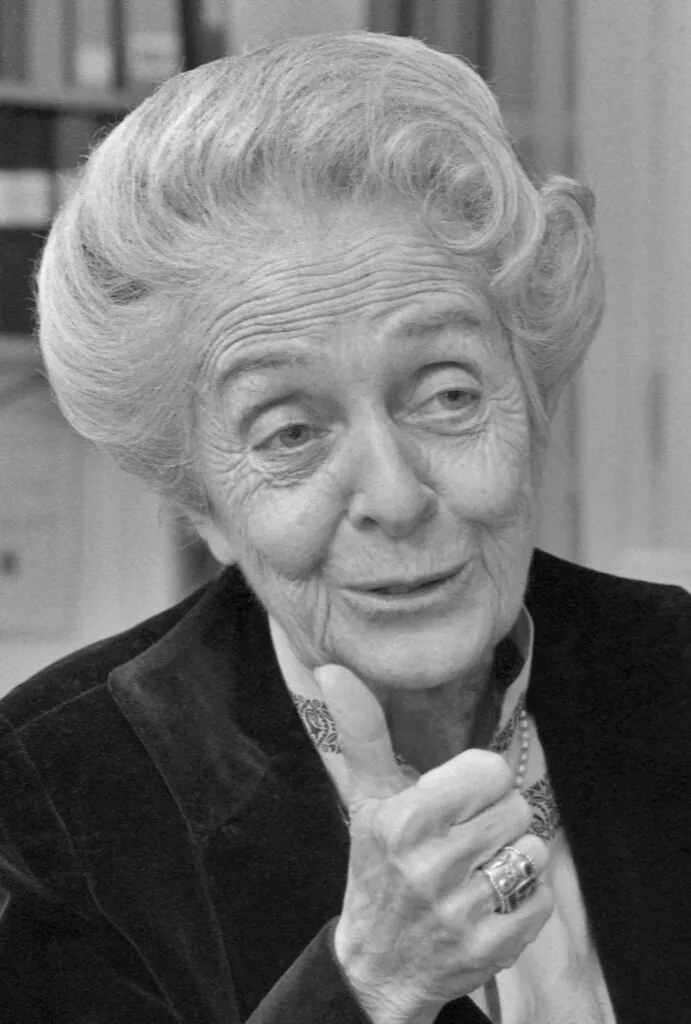
A Victorian household in Turin
Rita Levi-Montalcini and her twin sister Paola were born in Turin on 22 April 1909, the youngest of four children of Adamo Levi, an electrical engineer and gifted mathematician, and Adele Montalcini, a painter [4]. The family was Jewish, part of the old and thoroughly Italian Jewish community of Piedmont; Rita later added her mother’s surname to her father’s, becoming Levi-Montalcini. Her own description of her childhood, written for the Nobel Foundation, is affectionate and exact. The four children, she wrote, “enjoyed a most wonderful family atmosphere, filled with love and reciprocal devotion.” But it was “a typical Victorian style of life, all decisions being taken by the head of the family, the husband and father.” Her father “loved us dearly and had a great respect for women, but he believed that a professional career would interfere with the duties of a wife and mother.” He therefore decided that his three daughters “would not engage in studies which open the way to a professional career and that we would not enroll in the University” [4].
Paola, who had shown extraordinary artistic talent from childhood, became one of the most distinguished Italian painters and sculptors of her generation. Rita, as she put it, “had a more difficult time” [4]. Her older sister Anna had infected her with an enthusiasm for the Swedish novelist Selma Lagerlöf, and for a while she imagined becoming a writer. But at twenty, she wrote, “I realized that I could not possibly adjust to a feminine role as conceived by my father, and asked him permission to engage in a professional career” [4]. The precipitating event, she later recounted in her memoir, was the death of the family’s governess from stomach cancer, which made her determined to become a doctor [41]. Her father consented. In eight months she made up what she lacked in Latin, Greek and mathematics, passed the school-leaving examination and entered the medical school of the University of Turin [4].
Giuseppe Levi and his students
At Turin she came under the influence of the histologist Giuseppe Levi (no relation), a formidable teacher with a famously explosive temper, an anti-Fascist, and one of the most important figures in Italian biology. Two of her fellow students in his institute were Salvador Luria and Renato Dulbecco, both of whom were later to win Nobel Prizes in Physiology or Medicine, respectively seventeen and eleven years before she did [4][42]. It is one of the remarkable concentrations in the history of science: three future Nobel laureates trained in the same small laboratory in Turin in the early 1930s. “We are indebted to him,” Levi-Montalcini wrote of Levi, “for a superb training in biological science, and for having learned to approach scientific problems in a most rigorous way at a time when such an approach was still unusual” [4].
Levi taught his students a technique for staining nerve cells with silver salts, which made them visible under the microscope in all their branching complexity. This technique, which Levi-Montalcini mastered, was to be the foundation of her later work. She graduated summa cum laude in medicine and surgery in 1936 and began a three-year specialisation in neurology and psychiatry, uncertain whether to devote herself to clinical medicine or to research [4].
The racial laws
The uncertainty was resolved by politics. In July 1938 the Fascist regime published the “Manifesto of Race,” signed by a group of Italian academics, which declared that Italians belonged to an “Aryan” race and that Jews did not. It was followed in the autumn of 1938 by a series of laws that expelled Jews from schools and universities, barred them from the professions and from public employment, prohibited marriage between Jews and non-Jews and restricted their property [11]. Levi-Montalcini, as a Jew, could no longer hold a university post or practise medicine in the ordinary way. Giuseppe Levi, too, was dismissed.
She went for a short period to Brussels, as a guest of a neurological institute, but returned to Turin early in 1940, shortly before the German invasion of Belgium [4][42]. The family faced a choice. “The two alternatives left then to us,” she wrote, “were either to emigrate to the United States, or to pursue some activity that needed neither support nor connection with the outside Aryan world where we lived. My family chose this second alternative” [4].
The bedroom laboratory
What she did next is one of the most celebrated episodes in twentieth-century science. “I then decided,” she wrote, “to build a small research unit at home and installed it in my bedroom” [4]. Her equipment was improvised: a small incubator for eggs, a stereo microscope, sewing needles sharpened into microscalpels, ophthalmic scissors and watchmaker’s forceps. Her experimental subject was the chick embryo, which could be studied in fertile eggs bought from local farmers. Her inspiration, she said, was a 1934 paper by the German-American embryologist Viktor Hamburger, then at Washington University in St Louis, on the effects of removing the developing limb bud from chick embryos [4].
Hamburger had found that when a limb bud was removed early in development, the clusters of nerve cells in the spinal cord and the sensory ganglia that would normally have supplied that limb were smaller than usual. He interpreted this as meaning that the limb tissue sent some signal that induced nerve cells to form, or to differentiate, in the first place. Levi-Montalcini repeated and extended these experiments. Using the silver-staining technique she had learned from Levi, she was able to follow the fate of individual nerve cells at different stages of development. She concluded that Hamburger’s interpretation was wrong. The nerve cells did form and begin to grow toward the missing limb. What happened was that, deprived of their target, many of them subsequently died. The limb, in other words, was not needed to make the nerve cells but to keep them alive [42][41].
This was a radical idea. It implied that the developing nervous system produced more nerve cells than it needed and then trimmed them back, with the survivors being those that successfully made contact with their target tissues. The idea that massive, programmed cell death is a normal part of building a nervous system is now a central principle of developmental neurobiology. At the time, it was a heterodox proposal by an unemployed Jewish doctor working in her bedroom.
Soon after she began, Giuseppe Levi himself, having fled Belgium, returned to Turin and joined her, becoming, as she put it, “to my great pride, my first and only assistant” [4]. Because Italian journals would no longer publish work by Jewish authors, they sent their results to journals abroad, including Belgian and Swiss periodicals. Her home, according to the Jewish Women’s Archive, also became a meeting place for Levi’s students [42].
Bombing and hiding
In 1941 the Anglo-American bombing of Turin made it necessary to leave the city. The family moved to a country cottage in the hills of Piedmont, where she rebuilt her miniature laboratory and continued her experiments [4]. She cycled round the farms buying eggs; according to the Jewish Women’s Archive, she told the farmers that she needed fertilised eggs for the better nourishment of her children [42]. After the experiments, the eggs went into the family’s meals.
In September 1943, after the Italian armistice, the German army occupied northern and central Italy and set up the puppet Italian Social Republic at Salò. The deportation of Italian Jews to Auschwitz began. The Levi-Montalcini family fled to Florence, where they lived in hiding under false identities, protected by non-Jewish friends, until the liberation of the city in August 1944 [4][42]. “In Florence,” she wrote, “I was in daily contact with many close, dear friends and courageous partisans of the ‘Partito di Azione'” [4]. After the liberation she worked as a doctor for the Allied forces in a camp for war refugees brought from the north, where epidemics of infectious diseases, including typhoid, were killing many; she was in charge, she wrote, “as nurse and medical doctor, sharing with them their suffering and the daily danger of death” [4]. The war in Italy ended in May 1945, and the family returned to Turin, where she resumed her academic position in Levi’s institute.
St Louis
In the autumn of 1947 Viktor Hamburger, who had read her wartime papers and noticed that they contradicted his own conclusions, invited her to come to St Louis for a semester to repeat the experiments with him [4][42]. “Although I had planned to remain in St. Louis for only ten to twelve months,” she wrote, “the excellent results of our research made it imperative for me to postpone my return to Italy” [4]. She stayed for some three decades, becoming associate professor in 1956 and full professor in 1958 [4].
The decisive clue came from an unexpected direction. A former student of Hamburger’s, Elmer Bueker, had implanted fragments of a mouse tumour, sarcoma 180, into chick embryos, in an attempt to see whether a fast-growing tissue would attract nerves as a developing limb did. Nerve fibres did grow into the tumour. Levi-Montalcini, repeating and extending this experiment, noticed something more striking: the sensory and sympathetic ganglia of the embryos grew to an abnormal size, and nerve fibres invaded not only the tumour but other organs and even the blood vessels, in a way that could not be explained by direct contact with the tumour. Something, she concluded, was being released by the tumour into the embryo’s circulation and was stimulating the growth of nerve cells at a distance. It was a diffusible factor.
To prove this, she needed a simpler system. The embryos were too complicated; she wanted to see nerve cells respond to the factor directly. Tissue culture methods were not well developed in St Louis, so in 1952 she travelled to Rio de Janeiro, where Hertha Meyer, a German-born cell biologist who had worked in Giuseppe Levi’s institute in Turin before emigrating, ran a tissue-culture laboratory at the institute of biophysics. There she placed fragments of chick sensory ganglia in culture near fragments of mouse tumour. Within hours, the ganglia sprouted a dense halo of nerve fibres growing out toward the tumour, a sight she later described as unforgettable. Control tissues produced no such effect. This bioassay, the halo of fibres around a ganglion in culture, became the basic tool for detecting and measuring the factor [41].
Stanley Cohen and the nature of NGF
Back in St Louis, she needed a biochemist to identify the substance. In 1953 Stanley Cohen joined Hamburger’s department, and the two began a collaboration that would last until 1959 and would win them a shared Nobel Prize [43]. Their temperaments and skills were complementary. Cohen’s “exceptional talent and most rigorous training in biochemistry,” she said at the Nobel banquet, and her own training in neurology “provided us with an ideal complementary background to tackle what at first seemed a fairly easy puzzle to solve: namely, to uncover the nature and mechanism of action of a protein molecule which became known, on account of its biological properties, as the ‘Nerve Growth Factor'” [43]. In 1954 they reported, with Hamburger, the isolation of a nerve growth-stimulating factor from the mouse sarcomas [44].
The next breakthrough came by a fortunate accident. To test whether the active factor was a nucleic acid or a protein, Cohen treated the tumour extract with snake venom, which contains an enzyme that breaks down nucleic acids. The expectation was that, if the factor were a nucleic acid, the venom would destroy its activity. Instead, the venom on its own produced an enormous growth of nerve fibres: snake venom turned out to be an even richer source of the factor than the tumour. Since snake venom glands are modified salivary glands, Cohen reasoned that mammalian salivary glands might also contain it, and the salivary glands of male mice turned out to be a richer source still. This allowed enough material to be purified to show that NGF was a protein, and to raise antibodies against it. When newborn mice were injected with antibodies to NGF, their sympathetic nervous systems failed to develop, a phenomenon called immunosympathectomy, demonstrating that NGF was not merely a laboratory curiosity but was essential for the normal survival of certain nerve cells in living animals.
In the course of this work, Cohen noticed that mouse salivary gland extracts had another effect: they caused newborn mice to open their eyes and erupt their teeth early. He traced this to a second factor, which he named epidermal growth factor, or EGF. EGF and its receptor later turned out to be of central importance in cell biology and in cancer, since many tumours depend on overactive EGF signalling.
The concept of growth factors
The discovery of NGF was more than the identification of a single molecule. It established a new concept: that the growth, survival and differentiation of cells are controlled by specific proteins released by other cells, acting on receptors at a distance. Before NGF, the idea that the development of the nervous system was governed by such diffusible chemical signals was speculative. After it, the hunt was on for other growth factors, and dozens were found, including the family of neurotrophins of which NGF was the first member, the fibroblast growth factors, platelet-derived growth factor and many more. These molecules are now fundamental to understanding embryonic development, wound healing, the maintenance of the nervous system and the uncontrolled growth of cancer.
The neurotrophic hypothesis that grew out of her work, the idea that nerve cells compete for limited supplies of target-derived survival factors and that those that fail to obtain enough die, explained the programmed cell death she had first observed in her bedroom in Turin. NGF has also been studied for possible roles in conditions ranging from Alzheimer’s disease to neuropathic pain, and drugs that block NGF signalling have been investigated as treatments for chronic pain. Its clinical applications have proved complicated, but its scientific importance is beyond dispute.
The recognition was slow. For years, many neurobiologists regarded NGF as a peculiarity of the sympathetic and sensory systems of chicks and mice, and the field was not widely appreciated until the 1970s and 1980s. The Nobel Prize came more than thirty years after the Rio experiments.
The Nobel Prize and Rome
In 1962 Levi-Montalcini established a research unit in Rome, dividing her time between Rome and St Louis, and from 1969 to 1978 she directed the Institute of Cell Biology of the Italian National Research Council [4]. She retired from Washington University in 1977 and from the directorship in 1979, continuing as a guest professor [4].
In 1986 the Nobel Prize in Physiology or Medicine was awarded jointly to Stanley Cohen and Rita Levi-Montalcini “for their discoveries of growth factors” [5]. She was the fourth woman to receive the prize in that category [27]. At the Nobel banquet she spoke with emotion of her collaboration with Cohen, which had begun “thirty-three years ago in the Department of Zoology of the Washington University in St. Louis,” and gave credit to her later colleagues in Rome, Pietro Calissano and Luigi Aloe. She was emphatic that “the Nerve Growth Factor would perhaps never have been discovered were it not for the rigorous neurobiological training which I received in my native country, at the University of Turin” [43].
A public life
Levi-Montalcini’s later life was as remarkable as her earlier one. She published an autobiography, Elogio dell’imperfezione, translated into English as In Praise of Imperfection [41], whose title expresses her belief that it was imperfection, rather than the pursuit of perfection, that drove progress, in science as in life. She became an Italian national figure, admired for her elegance, her independence and her outspoken views. She never married, and devoted herself to her work and, later, to public causes.
She was a prominent advocate for the education of girls, particularly in Africa, through a foundation she established with her twin sister. She was the first woman to be appointed to the board of the Enciclopedia Italiana [42]. In 2001 the President of the Republic appointed her a senator for life, and she took her seat in the Italian Senate, where in her late nineties she occasionally cast votes of political importance. In 2002 she founded the European Brain Research Institute in Rome. On 22 April 2009 she became the first Nobel laureate to reach the age of one hundred.
Rita Levi-Montalcini died in Rome on 30 December 2012, at the age of one hundred and three [4].
The conditions of discovery
It is worth pausing on what the bedroom experiments involved, because they say something important about the nature of scientific work. Levi-Montalcini had no salary, no institutional support and no access to journals beyond what friends could bring her. She had no colleagues except Levi and a few visitors. She had to obtain her experimental material, fertile eggs, from farmers on the pretext of feeding children. She worked under the constant threat, first, of the racial laws and, later, of bombing and deportation. And yet the work she did was of the highest quality, and its central conclusion, that developing nerve cells die when deprived of their targets, was correct, and in contradiction with the view of the leading authority in the field [4][42].
She later wrote of these years with a kind of gratitude. The isolation, she suggested, had freed her from distractions and from the pressures of competition, and the improvised conditions had forced her to think carefully about every experiment [41]. There is some truth in this, and it chimes with the experience of other women in this essay, Rubin, for example, who deliberately chose unfashionable problems to escape the pressures of competition. But it should not be romanticised. The racial laws did not create her talent; they very nearly extinguished it. Thousands of Italian Jews were deported to Auschwitz after 1943, and many of them did not return [11]. Levi-Montalcini survived because her family was able to hide, because non-Jewish friends protected them, and because of luck.
The story also illustrates a paradox of persecution. The Fascist state intended the racial laws to cut Jews off from Italian intellectual life. In practice, the laws drove many of Italy’s most talented scientists into exile, where they enriched the science of other countries: Luria, Fermi, whose wife was Jewish, Emilio Segrè, Bruno Rossi and many others went to the United States. Levi-Montalcini, who stayed, eventually went too, and her greatest work was done in St Louis. Italy lost, for a generation, a large part of its scientific elite. When she returned to Rome in the 1960s to set up a research unit, she was in a sense bringing back some of what had been lost [4].
Her identity as a Jew was, like that of many of the European women in this essay, more a matter of family and history than of religious practice. She described herself as a free thinker. But the racial laws had made her Jewishness the defining fact of her public existence for seven years, and it shaped the rest of her life. Her later campaigns for the education of girls and for the rights of scientists were, in part, the response of someone who knew from experience what it meant to be excluded.
Legacy
Her scientific legacy is the concept of growth factors, without which modern developmental biology, neurobiology and cancer biology would be unrecognisable. Her methodological legacy is a lesson in the power of careful observation: the bedroom experiments with sharpened sewing needles and the halo of nerve fibres in a Rio culture dish are reminders that fundamental discoveries do not always need elaborate equipment.
Her human legacy is a story of defiance. She defied her father’s view of what a woman should be. She defied the racial laws by continuing her research in secret when the state had decided she was not entitled to do it. She defied the received wisdom about how nerve cells developed. And she defied the expectations of age, continuing to work and to argue into her second century. Reflecting on the wartime years in her memoir, she suggested that the persecution had, paradoxically, forced her into the research that made her career, and that without it she might have remained a clinical neurologist [41]. That is not a justification of the persecution, which killed thousands of her fellow Italian Jews, but it is a testament to the resilience with which she met it.
Her story also illustrates the internationalism of mid-century science. A Jewish woman from Turin, trained by an anti-Fascist histologist, inspired by a German émigré embryologist in Missouri, conducted her key experiment in Brazil with a refugee colleague and identified her molecule with an American biochemist. The racial laws were designed to cut Jewish scientists off from the national community. Levi-Montalcini found another community, and it was larger.
Chapter 5. Ada E. Yonath (1939–2026), Climbing Everest Twice
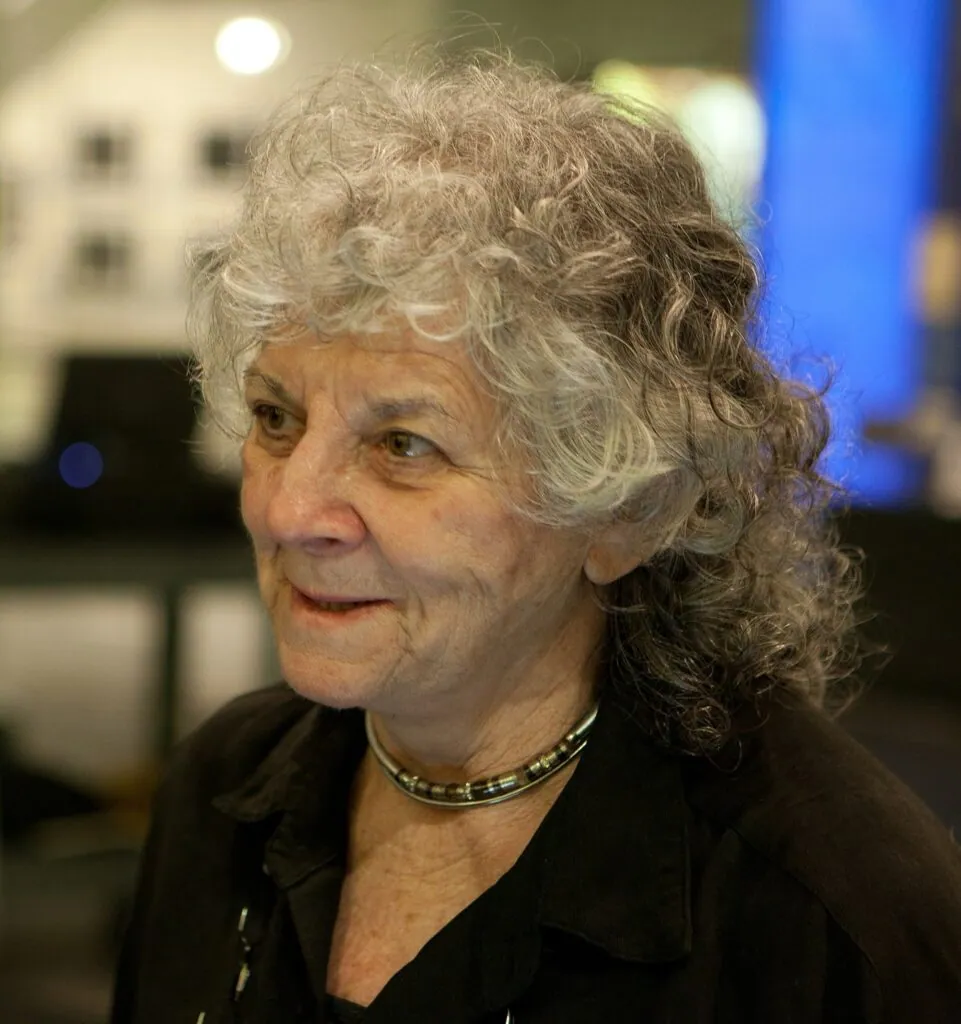
Jerusalem
Ada Lifshitz was born in Jerusalem on 22 June 1939, under the British Mandate of Palestine, to a family that had emigrated from Poland [14][45]. Her father was a rabbi who, with her mother, tried to make a living by running a small grocery store [14]. Her own memory of her childhood, written for the Nobel Foundation, begins with poverty: the family “shared a rented four-room apartment with two additional families and their children” [24]. Her father was frequently ill and in hospital. “My memories from my childhood,” she wrote, “are centered on my father’s medical conditions alongside my constant desire to understand the principles of the nature around me” [24].
She was, by her own account, an experimental scientist from the age of five. Trying to measure the height of the family’s tiny balcony, she piled a table on another table, then a chair and a stool, climbed up, fell into the back yard and broke her arm. “Incidentally,” she added drily, “the results of this experiment are still unknown, since the current tenants in the apartment have remodeled the ceiling” [24].
Her parents had been raised in religious families and had little secular education, and the schools in their neighbourhood were religious. “However, despite the poverty of my parents and the lack of formal education, they went out of their way so that I could obtain a proper education in a very prestigious secular grammar school, called ‘Beit Hakerem'” [24]. When she was eleven her father died. She began working to help her mother, cleaning, babysitting and tutoring younger children. A year later her mother moved to Tel Aviv to be near her sisters, and Ada completed her schooling there [24].
From collagen to the ribosome
After her compulsory military service, which she spent in what she called the “top secret office” of the medical corps, she enrolled at the Hebrew University of Jerusalem, where she completed undergraduate and master’s degrees in chemistry, biochemistry and biophysics [24]. Her doctoral work, at the Weizmann Institute of Science in Rehovot under Wolfie Traub, used X-ray crystallography to study the structure of collagen, the fibrous protein of skin, tendon and bone; she received her doctorate in 1968 [46]. She spent postdoctoral years at the Mellon Institute in Pittsburgh, working on muscle proteins, and at the Massachusetts Institute of Technology, studying the structure of an enzyme. At the end of 1970 she returned to the Weizmann Institute, where she established the first biological crystallography laboratory in Israel, which, she noted, was “for almost a decade … the only laboratory for such studies” [24]. She married Moshe Yonath, and they had one daughter; the marriage later ended [14].
At the end of the 1970s she conceived what she called “an ambitious plan to shed light on one of the major outstanding questions concerning living cells: the process of protein biosynthesis” [24]. She would determine the three-dimensional structure of the ribosome.
What a ribosome is
Every living cell contains ribosomes, and a typical bacterial cell contains thousands of them. They are the machines that make proteins. The instructions for a protein are written in DNA, copied into a messenger RNA molecule, and carried to the ribosome. The ribosome reads the messenger RNA three letters (a codon) at a time and, for each codon, selects the matching amino acid, delivered to it by a transfer RNA molecule. It then joins the amino acid to the growing protein chain by forming a peptide bond. When the protein is complete, the ribosome releases it and the chain folds into its working shape. The ribosome is therefore the point at which genetic information becomes biological function: the translator between the language of nucleic acids and the language of proteins.
The ribosome is also enormous by molecular standards. A bacterial ribosome consists of two subunits, a small one and a large one, made of three molecules of ribosomal RNA and more than fifty different proteins, totalling hundreds of thousands of atoms. It is flexible, it changes shape as it works, and it lacks the internal symmetry that makes some large structures, such as virus coats, easier to study. To determine the structure of such an object by X-ray crystallography, which was the only method in the 1970s that could reveal the positions of individual atoms, one first had to persuade millions of identical ribosomes to line up in a regular three-dimensional array, a crystal. Then one had to shine X-rays through it, record the pattern of diffracted beams, and from that pattern calculate the arrangement of atoms. For a structure of this size, each of these steps was regarded as somewhere between extremely difficult and impossible.
The village fool
Yonath began the work in collaboration with Heinz-Günter Wittmann of the Max Planck Institute for Molecular Genetics in Berlin, who supported it both academically and financially, while maintaining her own laboratory at the Weizmann Institute on a modest budget and a grant from the United States National Institutes of Health [24]. From 1986 to 2004 she also headed a Max Planck research unit for ribosome structure in Hamburg. The international response was, at best, sceptical. “When I described my plans to determine the ribosome structure,” she wrote, “many distinguished scientists responded with sarcasm and disbelief. Consequently I became the World’s dreamer, the village fool, the so-called scientist, and the person driven by fantasies” [24]. She recalled being told: “why work on ribosomes, they are dead … we know all what can be known about them,” and “this is a dead end road,” and “you will be dead before you get there” [24]. She compared the journey to “climbing Mt. Everest only to discover that a higher Everest stood in front of us” [24].
Her first problem was to obtain crystals. Ordinary ribosomes, she reasoned, were too fragile and too variable. Her inspiration came from an unlikely source: an article about hibernating bears, which pack their ribosomes into orderly arrays in their cells before hibernation, where they remain intact for months. If nature could stabilise ribosomes under stress, she thought, perhaps ribosomes from organisms that live under harsh conditions would be more robust. She turned first to bacteria that tolerate high temperatures and then developed an experimental system based on ribosomes from bacteria living in extreme environments: the Dead Sea, hot springs and, as she put it, “atomic piles” [24]. Using a preparation method developed at the Weizmann Institute by Ada Zamir and colleagues, her teams produced the first ribosome microcrystals at the start of the 1980s [24]. They were tiny and imperfect, but they were crystals.
Cryo-crystallography
Her second problem was that ribosome crystals were destroyed by the very X-rays used to study them. A crystal exposed to an intense X-ray beam suffers radiation damage, as the energy of the beam breaks chemical bonds and generates free radicals; for a large, delicate structure the damage accumulated before enough data could be collected. Yonath’s solution was to freeze the crystals. In cryo-bio-crystallography, crystals are cooled to around minus 185 degrees Celsius, which slows the chemical processes that propagate radiation damage, allowing a single crystal to withstand much longer exposure [24]. She described the day of the first successful experiment as “one of the rare ‘Eureka!’ events,” surpassed only by the pleasure of seeing her first high-resolution structure a dozen years later [24]. Cryo-crystallography is now standard practice in structural biology laboratories throughout the world, and is one of Yonath’s most important contributions independent of the ribosome itself.
Breaking the resolution barrier
Progress through the 1980s and 1990s was slow and incremental. In the mid-1980s her group, using electron microscopy of thin crystalline sheets, visualised a tunnel running through the large ribosomal subunit, and proposed, on the basis of earlier biochemical studies, that this was the path along which the newly made protein travels as it emerges from the ribosome [24]. This proposal was later confirmed. In the mid-1990s, once she had shown that ribosome crystallography was feasible, other groups, including those of Thomas Steitz and Peter Moore at Yale, Venkatraman Ramakrishnan at Cambridge and Harry Noller at Santa Cruz, began parallel efforts, often using her crystallisation procedures. “As they could repeat our procedures,” she wrote, “I was no more alone in this field” [24].
At the end of the 1990s, improvements in crystals, in X-ray sources and detectors and in methods for determining the phases of the diffracted waves, a long-standing technical obstacle, allowed the resolution barrier to be broken. In 2000, teams at the Weizmann Institute and the Max Planck unit in Hamburg, both headed by Yonath, determined the complete three-dimensional structures of both subunits of a bacterial ribosome [13]. Her group’s structure of the small subunit from the bacterium Thermus thermophilus was published in Cell in 2000 [47]; at about the same time Ramakrishnan’s group published a small-subunit structure and Steitz and Moore’s group the large subunit of an archaeal ribosome. The editors of Science included the ribosome structures among the ten most important scientific developments of the year [13].
The structures revealed many things, but perhaps the most profound was that the active site of the ribosome, the place where peptide bonds are formed, is made entirely of RNA. No protein is close enough to take part in the chemistry. The ribosome, in other words, is a ribozyme: an RNA enzyme. This fact has deep implications for the origin of life, since it suggests that the protein-making machinery evolved from an earlier world in which RNA performed both genetic and catalytic roles. Yonath spent much of her later career exploring this idea, identifying a region within the modern ribosome that she regarded as a vestige of a primordial peptide-bond-forming apparatus [24].
Antibiotics
The structures also had practical consequences. Many of the most important antibiotics, including erythromycin, tetracycline, chloramphenicol and streptomycin, work by binding to the bacterial ribosome and stopping it from making proteins. Because bacterial and human ribosomes differ in detail, these drugs can kill bacteria while leaving human cells largely unharmed, a further example of the principle of selective toxicity that Elion had exploited. Yonath’s teams crystallised bacterial ribosomes in complex with more than two dozen antibiotics and found, as she wrote, that “the drugs bind in specific ‘pockets’ in the structure, located at or close to functional centers,” where they block the ribosome’s operation [24]. These findings, first published in Nature in 2001, have been extended to almost all the antibiotics that target the ribosome. They explain why particular mutations make bacteria resistant, and they provide a basis for designing new drugs. At a time when antibiotic resistance is regarded as one of the most serious threats to public health, this is not a merely academic achievement.
The Nobel Prize
In 2009 the Nobel Prize in Chemistry was awarded jointly to Venkatraman Ramakrishnan, Thomas A. Steitz and Ada E. Yonath “for studies of the structure and function of the ribosome” [48]. The award was the culmination of three decades of work that had begun, as the Weizmann Institute put it after her death, with “pursuing an impossible dream” [13].
The framework for this essay describes her as the first Israeli woman and the first woman from the Middle East to win a Nobel Prize in the sciences. Both statements are correct, and the first can be stated more strongly: she was the first Israeli woman to win a Nobel Prize in any category, and, as the Weizmann Institute noted in 2026, remained Israel’s only female Nobel laureate [46][49]. She was also the fourth woman to win the Nobel Prize in Chemistry, after Marie Curie, Irène Joliot-Curie and Dorothy Crowfoot Hodgkin, and the first in forty-five years [27][45]. That gap, between Hodgkin’s prize in 1964 and Yonath’s in 2009, is itself a commentary on the state of women in chemistry during the intervening decades.
She had already received many honours: the Israel Prize in 2002, the Louisa Gross Horwitz Prize of Columbia University in 2005, the Wolf Prize in Chemistry in 2006 and the L’Oréal-UNESCO Award for Women in Science in 2008, among others. She was elected to the United States National Academy of Sciences and, in 2014, appointed to the Pontifical Academy of Sciences.
On being a woman scientist
Yonath was notably reluctant to frame her career in terms of gender. “I am a scientist, not male or female. A scientist,” she once said, a line quoted in Nature‘s obituary [45]. She acknowledged that she had faced obstacles, but she attributed them mainly to the scepticism provoked by the boldness of her project rather than to her sex. At the same time, the very fact that her achievement was described so often in terms of firsts, and that she was the first woman in chemistry for nearly half a century, shows that her individual refusal to make gender the story could not alter the larger pattern.
She also became a public figure in Israel, where, as she recalled with amusement, her distinctive curly hair gave rise to a saying: “Curly hair means a head full of ribosomes” [24]. She campaigned on public issues, notably arguing for the release of Palestinian prisoners in exchange for the Israeli soldier Gilad Shalit, a position that provoked controversy. She spoke frequently to young people about science, and was conscious that her award had, as she wrote, “turned on the imagination of many youngsters” [24].
Last years and death
Yonath continued to work at the Weizmann Institute, where she held the rank of Institute Professor, the highest title the institute confers. According to the institute’s president, Alon Chen, she “continued to conduct research and publish papers, run an active laboratory and maintain scientific collaborations until the very last days of her life” [13]. Her later research addressed how ribosomes evolved, how antibiotics act on the ribosomes of different organisms including pathogens, and how defects in ribosomes cause human diseases [46].
Ada Yonath died on 31 August 2026, at the age of eighty-seven [13][14]. The New York Times described her as “the boundary pushing Israeli chemist whose ingenuity and tenacity helped unlock the inner workings of the ribosome” [49]. In his tribute, Alon Chen said that “Ada was an exceptional scientist who never hesitated to choose a path that others considered impossible and to pursue it for decades with determination, curiosity and courage” [13].
Persistence as method
Yonath’s own metaphor for her ribosome project, the climber who reaches the summit of Everest only to see a higher peak beyond [24], captures something important about the way large structural problems are solved. There was no single moment of discovery, no equivalent of Meitner and Frisch’s walk in the snow. Instead there was a long sequence of technical problems, each of which had to be solved before the next could be attempted: obtaining ribosomes that would crystallise at all; growing crystals large and regular enough to diffract X-rays; protecting the crystals from radiation damage; collecting diffraction data at the new synchrotron sources that became available in the 1980s and 1990s; and solving the “phase problem,” the mathematical difficulty that the measured diffraction pattern records the intensities but not the phases of the scattered waves. Each step took years.
Persistence of this kind requires not only stubbornness but also institutional support, and Yonath was candid about her debts. She thanked the Weizmann Institute and particularly its presidents Michael Sela and Haim Harari “for keeping up with me for over two decades and for allowing me to work,” and the Max Planck Society, and Wittmann in particular, “for co-initiating this project” [24]. It is one of the curiosities of her story that the man who became president of the Weizmann Institute in 1975, and who gave her the freedom to pursue the ribosome, was Michael Sela, the same scientist with whom Ruth Arnon developed Copaxone.
The story also shows how competition and collaboration coexist in modern science. Once Yonath had shown that ribosome crystallography was feasible, larger and better-resourced groups entered the field, using her methods [24]. The final structures were solved by several groups at almost the same moment, and the Nobel committee divided the prize among three laureates [48]. Some observers felt that Yonath’s role as the pioneer who had made the whole field possible was underappreciated in the rush to high-resolution structures; others pointed out that her competitors had solved key technical problems of their own. The committee’s decision to include her, alongside Ramakrishnan and Steitz, recognised both the pioneering and the completion.
Finally, Yonath’s career shows how the geography of science had shifted. A crystallographer born in poverty in Jerusalem in 1939, trained entirely in Israel, building the country’s first protein crystallography laboratory, collaborating for decades with German institutions and leading research units in Rehovot and Hamburg: such a career would have been inconceivable in the world of 1933. That it was possible at all is a testament both to the scientific culture that Israel built and to the reconciliation, in science at least, between Germany and the Jewish world.
Legacy
Yonath’s legacy is threefold. Scientifically, she opened up the structural study of the ribosome, one of the most fundamental machines of life, and with it a new understanding of how genetic information is translated, how protein synthesis may have originated, and how antibiotics work and fail. Methodologically, she introduced cryo-crystallography, which transformed structural biology far beyond the ribosome. And personally, she embodied a particular kind of scientific courage: the willingness to spend decades on a problem that most of one’s peers regard as hopeless.
Her story also differs instructively from those of the European women in Part One. She was not a refugee, and the state in which she worked, far from persecuting her, was proud of her. The barriers she faced were those of scepticism, of limited resources in a small country, and, less visibly, of a field in which women remained rare. Her life is a bridge between the world of Meitner and Noether, in which Jewish scientists were driven from the institutions of Europe, and a world in which the Weizmann Institute could stand among the leading research institutions anywhere. The fact that her early ribosome work depended on a partnership with the Max Planck Society in Germany, and that she headed a Max Planck research unit in Hamburg for nearly two decades, is a reminder of how much had changed between 1938 and 1980.
Chapter 6. Lise Meitner (1878–1968), The Physicist Who Never Lost Her Humanity
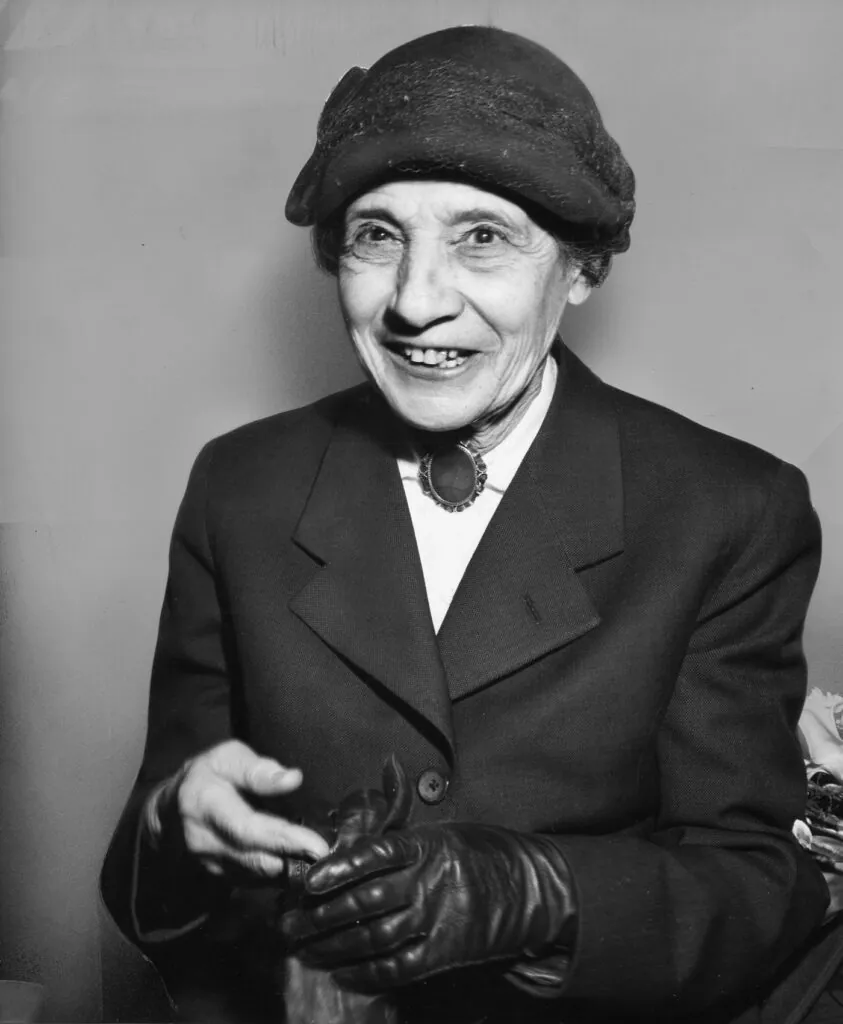
Vienna
Elise Meitner was born in Vienna on 7 November 1878, the third of eight children of Philipp Meitner, a lawyer whose family came from Moravia, and Hedwig Skovran [10][1]. The family lived in the Leopoldstadt, the district on the far side of the Danube Canal that was the heart of Jewish Vienna. Her parents, the Jewish Women’s Archive notes, were assimilated Viennese Jews who did not practise Judaism, and her father insisted that each of his daughters receive the same education as his sons; three of Lise’s sisters later earned doctorates [10]. In 1908, on a visit to Vienna, she formally withdrew from the Jewish community and was baptised into the Protestant church [10]. Two of her sisters converted to Catholicism. None of this would matter, thirty years later, to the officials of the Third Reich.
Austrian girls of her generation could not attend the Gymnasium, the academic secondary school that prepared boys for university, and Austrian universities did not admit women to the faculty of philosophy, which included the sciences, until 1897. Meitner left school at fourteen and, like many middle-class girls, qualified as a teacher of French. Only after women were admitted to the university did she begin, with private tutors, to prepare for the Matura, the school-leaving examination, which she passed as an external candidate in 1901 at the age of twenty-two [1][10]. She entered the University of Vienna that autumn.
The great influence of her student years was Ludwig Boltzmann, the founder of statistical mechanics, whose lectures she attended for four years and whose passionate conception of physics as a search for ultimate truth stayed with her for the rest of her life [1]. She received her doctorate in February 1906, for a thesis on heat conduction in inhomogeneous materials, becoming the second woman to earn a doctorate in physics at the University of Vienna [10]. Boltzmann’s suicide later that year left a void in Viennese physics. Meitner began research on radioactivity with Stefan Meyer, and in 1907, with modest financial support from her parents, she went to Berlin intending to stay for a semester or two and attend the lectures of Max Planck [1].
Berlin and Otto Hahn
She stayed for thirty-one years. In Berlin she met Otto Hahn, a young radiochemist of her own age who was looking for a physicist to collaborate with. Hahn worked at Emil Fischer’s chemistry institute, and Fischer did not admit women to his laboratories; Prussian universities did not yet admit women as regular students. Meitner was therefore allowed to work with Hahn in a former carpentry workshop in the basement, which had its own entrance, on condition that she did not go upstairs into the areas where the male students worked [1]. She was unpaid. When Prussia opened its universities to women in 1908, Fischer relented and allowed her into the building proper.
The Hahn–Meitner partnership was to last for three decades and is one of the most productive in the history of nuclear science. Hahn was a superb chemist, skilled at separating and identifying minute quantities of radioactive substances; Meitner was a physicist, interested in the nature of the radiations and the structure of the nucleus. Together, in the years before the First World War, they studied the beta radiation emitted by radioactive elements, discovered several new radioactive isotopes and developed the method of radioactive recoil for separating decay products. In 1912 they moved into the newly founded Kaiser Wilhelm Institute for Chemistry in Dahlem, where Meitner at first remained an unpaid “guest.” In the same year Planck made her his assistant at the University of Berlin, her first paid post, and one of the first such posts held by a woman in Prussia [1][10].
During the First World War Meitner served as an X-ray nurse-technician in the Austrian army, while Hahn worked on chemical weapons under Fritz Haber. Between periods of service, she continued the work they had begun on the “parent” of actinium, the element whose decay produced actinium. In 1917–18 they announced the discovery of a new element, which they named protactinium, element 91 [1]. In 1917 she was given her own physics department at the institute, and in 1922 she completed her habilitation, the qualification to teach at a university. The press, according to a famous anecdote, reported the title of her inaugural lecture, on “cosmic physics,” as “cosmetic physics” [10]. In 1926 she was appointed an extraordinary (that is, non-chair) professor at the University of Berlin, the first woman in Germany to hold such a professorship in physics [1].
In the 1920s Meitner’s department became one of the leading centres of nuclear physics. She studied the energy spectra of beta and gamma rays, clarified the relationship between them and, in 1922, described the emission of electrons now known as the Auger effect, a year before the French physicist Pierre Auger, after whom it is named [1]. Her students and assistants included Max Delbrück, later a founder of molecular biology. Einstein, according to the Jewish Women’s Archive, called her “our Madame Curie” [10].
1933–1938
When the Nazis came to power in 1933, Meitner’s right to teach at the university was withdrawn under the civil-service law, but because she was an Austrian citizen, and because her post at the Kaiser Wilhelm Institute was not a state appointment, she was able to continue her research [1][10]. She chose to stay. It was a decision she later regretted. Most of her Jewish colleagues left; many of her non-Jewish colleagues accommodated themselves to the regime.
In 1934 Enrico Fermi’s group in Rome reported that bombarding uranium with neutrons produced new radioactive substances, which they suggested might be elements heavier than uranium, the so-called transuranic elements. Meitner was fascinated, and persuaded Hahn to join her in investigating them; they were later joined by the young analytical chemist Fritz Strassmann. Over the next four years the Berlin team, competing with Irène Joliot-Curie’s group in Paris, identified a bewildering series of radioactive products, which they interpreted, as Fermi had, as transuranics [1][10]. It was Meitner who led the team intellectually, and the results were published under the three names.
The annexation of Austria in March 1938 made Meitner a German citizen subject to German racial law. Her position became untenable overnight, and there were reports that scientists would soon be forbidden to leave the country. Colleagues abroad, above all Niels Bohr in Copenhagen and Dirk Coster in Groningen, organised her escape [10]. On 13 July 1938 she left Berlin with Coster, carrying two small suitcases and a diamond ring that Hahn had given her, inherited from his mother, to use in an emergency. The Dutch authorities had been persuaded to admit her without a valid passport. From the Netherlands she went to Copenhagen and then to Stockholm, where she had been offered a place at Manne Siegbahn’s new Nobel Institute for Physics [1][10].
Stockholm was a disappointment. She had space but almost no equipment, no assistants, and a meagre salary, and Siegbahn, who had little interest in nuclear physics, did little to help her [1][10]. She was sixty years old, without her books or her research materials, and separated from the work she had led for four years.
Fission
In Berlin, Hahn and Strassmann continued the uranium experiments, corresponding constantly with Meitner. In November 1938 Hahn met her secretly in Copenhagen; she urged him to recheck some of their results [1]. In December, Hahn and Strassmann found that one of the supposed radium isotopes produced by bombarding uranium behaved chemically like barium. Barium, element 56, is roughly half the mass of uranium, element 92. Nothing in the existing understanding of nuclear reactions could produce such a light element from uranium. Hahn wrote to Meitner on 19 December, asking, as the Jewish Women’s Archive translates his letter, “What would physics say about such bursting?” [10][1]. He and Strassmann submitted their paper to Die Naturwissenschaften on 22 December, and it appeared on 6 January 1939 [50]. Hahn, as a chemist, was confident of the chemistry but could not explain it.
Meitner was spending Christmas in Kungälv, near Gothenburg, with a friend, and her nephew Otto Robert Frisch, a physicist working in Bohr’s institute in Copenhagen, came to join her [1]. Frisch’s father had been arrested after the November pogrom and sent to Dachau [10]. Frisch later recalled finding his aunt at breakfast absorbed in Hahn’s letter; they went out into the snow, Frisch on skis and Meitner walking, and argued over what it could mean.
The explanation they arrived at drew on a model of the nucleus that Bohr and George Gamow had developed, in which the nucleus behaves somewhat like a drop of liquid. A uranium nucleus contains 92 protons, all positively charged and therefore repelling one another, held together by the short-range strong nuclear force that acts, in effect, like surface tension. In so large a nucleus, Meitner and Frisch realised, the electrical repulsion very nearly cancelled the surface tension. Struck by a neutron, the nucleus might wobble and elongate, like a drop of water, until it formed a waist and pinched into two pieces, which would then fly apart under their mutual electrical repulsion. Sitting on a tree trunk in the snow, they calculated the energy that would be released. The two fragments would carry about 200 million electronvolts of energy between them, an enormous amount on the atomic scale. Meitner then worked out, from the known masses of the nuclei involved and Einstein’s equation E = mc², that the two fragments together would weigh less than the original uranium nucleus by about one-fifth of the mass of a proton, and that this lost mass corresponded to just that amount of energy [1][2]. The calculation from electrical repulsion and the calculation from mass agreed. Uranium was splitting in two.
Frisch borrowed the biological term for the division of a cell and called the process “fission” [10]. Back in Copenhagen he confirmed experimentally that fission fragments of the predicted energy were produced, by detecting the large pulses of ionisation they caused. Meitner and Frisch’s theoretical paper, “Disintegration of uranium by neutrons: a new type of nuclear reaction,” was published in Nature on 11 February 1939 [2], alongside a note by Frisch reporting his experiment. Bohr, who heard the news from Frisch as he was leaving for America, carried it across the Atlantic, and within weeks physicists in many laboratories had confirmed it. Within months it was recognised that fission released additional neutrons, so that a chain reaction might be possible, and with it both nuclear power and the atomic bomb.
“I will have nothing to do with a bomb”
Meitner was invited to join the British and American efforts to build an atomic bomb and refused. She is widely reported to have said that she would have nothing to do with a bomb, and she remained throughout the war in Stockholm, isolated and anxious, following from a distance the fate of friends and relatives in occupied Europe. When the bombs were dropped on Hiroshima and Nagasaki in August 1945, she was suddenly famous, described in the press, to her dismay, as the “Jewish mother of the bomb” who had fled Germany with the secret of fission. According to the Jewish Women’s Archive, on a visit to the United States shortly after the war she was honoured at a dinner of the Women’s Press Club and met President Truman [10]. She did not work on weapons, and she insisted that she had not.
The Nobel Prize that went to Hahn alone
The Nobel Prize in Chemistry for 1944 was awarded to Otto Hahn alone, “for his discovery of the fission of heavy nuclei.” Because the Nobel Committee for Chemistry had decided in 1944 that none of that year’s nominations met the criteria, the prize was reserved and awarded in 1945 [51]. Meitner received nothing.
The Nobel Foundation’s nomination archive records that Meitner was nominated forty-nine times: nineteen times for the chemistry prize, between 1924 and 1948, and thirty times for physics, between 1937 and 1967 [12]. Many of the early nominations were joint with Hahn, for their work on radioactivity and protactinium; after the war she was repeatedly nominated, including by Bohr, for the physics prize for her part in the discovery and explanation of fission [10]. She was never awarded either.
Why? The question was investigated systematically in the 1990s, when the Nobel archives for the period were opened, by the historian Elisabeth Crawford, Meitner’s biographer Ruth Lewin Sime and the historian of physics Mark Walker. Their article in Physics Today in 1997, “A Nobel tale of postwar injustice,” concluded that the omission could not be justified on scientific grounds [52]. Several factors combined. The chemistry committee viewed the discovery as a purely chemical one, the identification of barium, and was ill-equipped to evaluate the physics that explained it. Meitner’s exile meant that the crucial final experiments in Berlin were done without her, and Hahn, under the pressures of Nazi Germany, where acknowledging collaboration with a Jewish émigrée was dangerous, played down her role in his publications and statements, a tendency that continued after the war. The wartime isolation of Sweden made it hard for the committee to consult experts, and the physics committee was influenced by Siegbahn, who had little regard for Meitner. Crawford, Sime and Walker described a combination of “disciplinary bias, political obtuseness, ignorance, and haste” [52]. The framework for this essay calls her omission one of the most significant oversights in Nobel history; that judgement is now very widely shared.
Later life
Meitner declined invitations to return to Germany, including an offer from Hahn and Strassmann in 1947 to rejoin them at the rebuilt institute, now in Mainz [10]. Her feelings about her German colleagues were complex. She remained Hahn’s friend, but she was deeply troubled by the readiness of many German scientists, Hahn included, to forget what had happened and to present themselves as having resisted the regime. She was particularly hurt by Hahn’s tendency, after the war, to describe fission as a chemical discovery made after she had left, in which her contribution had been marginal [1].
She worked in Sweden at the Royal Institute of Technology, where she helped with the construction of Sweden’s first experimental nuclear reactor, and became a Swedish citizen in 1949. Honours came in plenty: honorary doctorates, the Max Planck Medal of the German Physical Society in 1949, and in 1966 the Enrico Fermi Award of the United States Atomic Energy Commission, shared with Hahn and Strassmann, the first time it was given to non-Americans [10]. In 1960 she retired to Cambridge, England, to be near Frisch, and she spent her last years travelling and lecturing; the Jewish Women’s Archive records that she encouraged women students to “remember that science can bring both joy and satisfaction to your life” [10].
Lise Meitner died in Cambridge on 27 October 1968, a few days before her ninetieth birthday, and was buried in the churchyard of St James, Bramley, in Hampshire, near the grave of her brother Walter. Hahn had died that July; she was not told. The inscription on her headstone, composed by Frisch, reads: “Lise Meitner: a physicist who never lost her humanity” [1].
Meitnerium
In 1982 a team at the Gesellschaft für Schwerionenforschung (GSI) in Darmstadt, Germany, first produced a few atoms of element 109. The discoverers proposed that it be named meitnerium, symbol Mt, and the name was formally adopted by the International Union of Pure and Applied Chemistry in 1997. She is one of only two women, with Marie Curie (curium), after whom a chemical element is named; and unlike curium, which honours Pierre and Marie together, meitnerium honours a woman alone. There is a particular justice in the fact that it was a German laboratory that proposed the name.
Hahn and Meitner after the war
The relationship between Meitner and Hahn after 1945 is one of the most poignant aspects of her story. They had been close friends as well as colleagues for thirty years; Hahn had helped her escape, giving her his mother’s ring; they corresponded throughout the war. Yet after the war a gulf opened between them. Hahn, interned in England with other German nuclear scientists at Farm Hall when the news of his Nobel Prize arrived, emerged as the principal spokesman of German science in the post-war years and president of the new Max Planck Society. In that role he presented a picture of German science as having been largely untainted by Nazism, and of the discovery of fission as a purely chemical achievement made in Berlin after Meitner’s departure [1][52].
Meitner found this painful and, in its historical implications, dishonest. She had been part of the uranium project from its beginning in 1934; she had urged the critical re-examination of the results in November 1938; she had supplied the physical interpretation without which the barium result would have remained a puzzle [1][2]. To present fission as a chemical discovery from which physics, and she, had been absent was to repeat, in the language of disciplinary priority, the exclusion that the Nazi state had imposed by force. She did not break with Hahn, and she accepted the Fermi Award jointly with him and Strassmann in 1966 [10]. But she never accepted his account.
Ruth Lewin Sime’s biography, published in 1996 and drawing on Meitner’s correspondence, did more than any other work to restore Meitner’s place in the history of fission [1]. Her work with Crawford and Walker on the Nobel archives showed that the omission of 1944 was not a considered scientific judgement but the result of a flawed process [52]. Together, these studies have changed the way the discovery of fission is told. Most accounts now describe it as the joint achievement of a team, Hahn, Meitner and Strassmann, with Frisch, in which the chemical discovery and its physical interpretation were inseparable.
Legacy
Meitner’s scientific legacy is immense. Her work on beta and gamma spectra helped to clarify the structure of the nucleus; her discovery, with Hahn, of protactinium added an element to the periodic table; her early description of the Auger effect is a staple of atomic physics; and her explanation, with Frisch, of nuclear fission is one of the landmark achievements of twentieth-century physics. Without that explanation, Hahn and Strassmann’s barium would have remained a puzzling chemical anomaly.
Her legacy as a symbol is more complicated. She has become, along with Rosalind Franklin, the emblematic case of a woman scientist whose work was appropriated or overlooked. That reputation is deserved, but it risks reducing her to a victim. She was a physicist of the first rank, a leader of one of the most important research groups of her time, and a woman of unusual moral seriousness, who refused to work on weapons and who, after the war, refused to pretend that nothing had happened. Her story is also a story about antisemitism, in a precise sense. It was the Nazi state’s decision that her Jewish ancestry made her unfit to remain in Germany that separated her from the experiment at the crucial moment, and it was the climate created by that state that made it convenient for Hahn to minimise her role. The injustice of the 1944 prize was not an accident of committee procedure alone; it was, in part, a downstream consequence of persecution.
Part Two, Other Pioneers
Chapter 7. Emmy Noether (1882–1935), The Mother of Modern Algebra
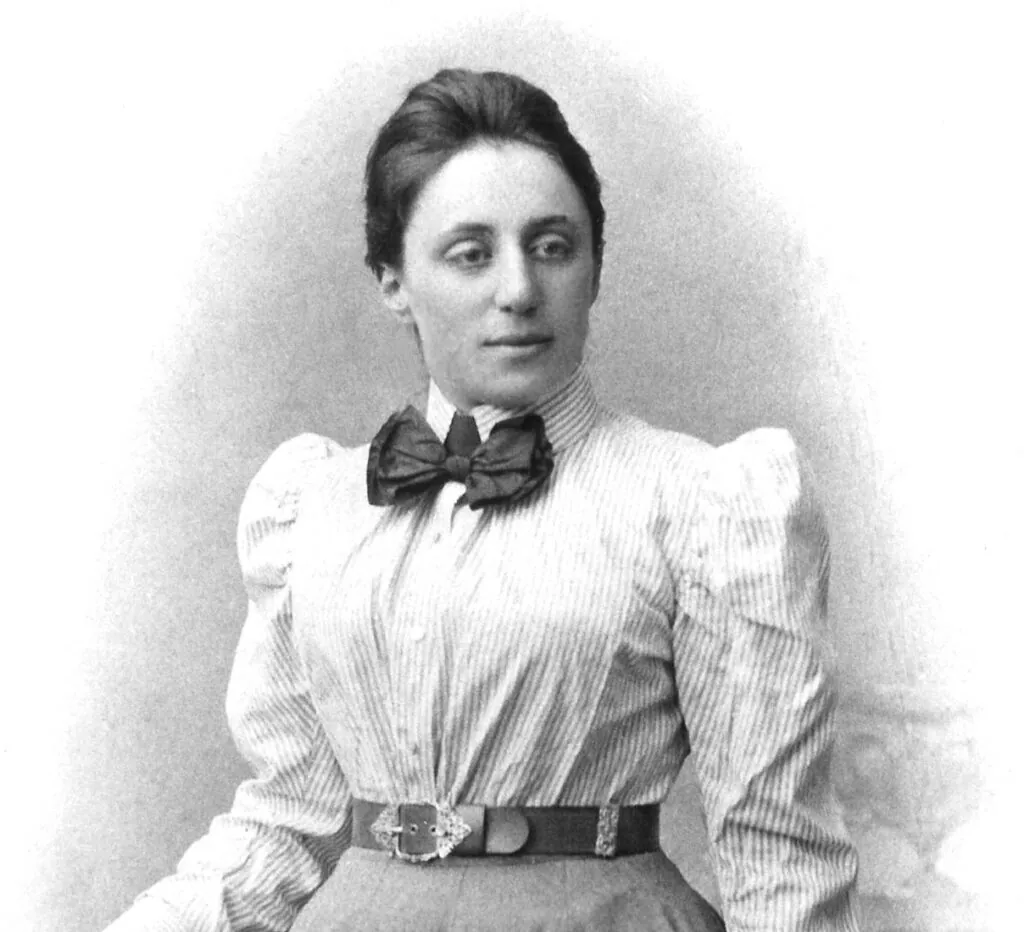
Erlangen
Amalie Emmy Noether was born on 23 March 1882 in Erlangen, a small university town in Bavaria [3]. Her father, Max Noether, was a distinguished mathematician, a professor at the University of Erlangen and an authority on algebraic geometry. The family was Jewish; Max’s grandfather, as the MacTutor archive records, had adopted the German surname Nöther in the era when Bavarian Jews were required to take fixed family names [3]. Emmy was the eldest of four children; her three younger siblings were boys. Of these, Fritz Noether became an applied mathematician who, unable as a Jew to work in Nazi Germany, took a professorship at Tomsk in the Soviet Union; there he was accused of anti-Soviet acts, sentenced to death and shot, and he was declared not guilty by the Supreme Court of the Soviet Union only in 1988 [3].
Emmy’s early life gave little hint of what was to come. She was educated at the municipal higher school for girls in Erlangen, where she learned German, English, French and arithmetic, and she took the examinations to become a certified teacher of English and French in Bavarian girls’ schools [3]. But she did not become a language teacher. Instead, in 1900, she began to attend mathematics lectures at the University of Erlangen. Women could not then enrol as regular students in Bavaria; they could attend only as auditors, with the permission of each lecturer. She was one of only a tiny handful of women in a student body of around a thousand [3]. In 1903 she passed the matriculation examination, and after a semester at Göttingen she was able, when the Bavarian regulations changed, to enrol properly at Erlangen in 1904 [3].
Her doctoral supervisor was Paul Gordan, a friend of her father’s and the leading figure in the then fashionable field of invariant theory. Her dissertation of 1907, on the invariants of ternary biquadratic forms, was a massive computational exercise in Gordan’s style, culminating in a list of 331 covariant forms. She later spoke of it dismissively, as a jungle of formulas. It was a competent beginning, but nothing in it suggested the revolution she would bring about.
For the next eight years she worked at the Mathematical Institute in Erlangen without pay or position, helping her ageing father and supervising doctoral students in all but name [3]. Under the influence of Ernst Fischer, Gordan’s successor, she moved away from Gordan’s computational approach toward the more abstract methods of David Hilbert.
Göttingen and the habilitation battle
In 1915 Hilbert and Felix Klein invited her to Göttingen, then the world centre of mathematics. They wanted her expertise in invariant theory for a specific reason: Einstein had just completed his general theory of relativity, and Hilbert and Klein were working on its mathematical foundations. Invariant theory, the study of quantities that remain unchanged under transformations, was precisely what was needed.
Hilbert and Klein also wanted to secure her an official position, which meant that she had to be granted the right to lecture, the venia legendi, through habilitation. The faculty resisted. The arguments against admitting a woman were not about her ability, which nobody seriously questioned, but about propriety. A frequently repeated objection, as reported in the MacTutor biography, was that soldiers returning from the war would be expected to learn at the feet of a woman. Hilbert’s reply, in a version that has been repeated in almost every account of her life, became famous: he did not see that the sex of the candidate was an argument against her admission, since the university senate was, after all, not a bathhouse. The battle took four years. Meanwhile Hilbert allowed Noether to lecture by advertising her courses under his own name; a course of the winter semester of 1916–17 was listed in the catalogue as “Mathematical Physics Seminar: Professor Hilbert, with the assistance of Dr E. Noether” [3]. Only in 1919, after the revolution that created the Weimar Republic had removed some of the legal obstacles, was she granted her habilitation and the position of Privatdozent [3]. In 1922 she was given the title of “unofficial extraordinary professor,” which carried no salary; a small paid lectureship in algebra followed in 1923 [3]. She never held a full professorship in Germany.
Noether’s theorem
The work that made her name in physics was done during the habilitation battle. On 26 July 1918 Felix Klein presented to the Royal Society of Sciences in Göttingen her paper “Invariante Variationsprobleme” (Invariant Variation Problems) [53]; she was not a member and so could not present it herself. The paper contains what are now called Noether’s first and second theorems.
The first theorem is one of the most important results in theoretical physics, and it can be stated simply: for every continuous symmetry of a physical system, there is a corresponding conserved quantity. A symmetry, in this sense, is a transformation that leaves the laws of physics unchanged. A continuous symmetry is one that can be made in arbitrarily small steps, such as moving a little in space or waiting a little in time.
Three examples make the idea concrete. Suppose the laws of physics are the same everywhere: an experiment performed in London gives the same result as one performed in Lisbon, other things being equal. This is a symmetry under translation in space. Noether’s theorem says that this symmetry implies that a particular quantity is conserved, and that quantity turns out to be momentum. Suppose instead that the laws of physics are the same at all times: an experiment performed today gives the same result as one performed tomorrow. This symmetry under translation in time implies the conservation of energy. And suppose the laws are the same in every direction, so that rotating the apparatus makes no difference. This rotational symmetry implies the conservation of angular momentum, which is why a spinning skater speeds up when she draws in her arms.
Before Noether, the conservation of energy, momentum and angular momentum were regarded as separate empirical laws, discovered by observation and confirmed by experiment. Noether showed that they were consequences of something deeper: the symmetries of nature. The theorem also works in reverse. If one finds a conserved quantity, one should look for the symmetry behind it; if one postulates a symmetry, one knows immediately which quantity must be conserved. In the twentieth century this became one of the main tools of theoretical physics. The conservation of electric charge was understood as the consequence of a symmetry in the mathematical description of the electromagnetic field, and the whole of the Standard Model of particle physics is built on symmetry principles whose physical consequences are deduced, directly or indirectly, through Noether’s insight. The physicists Leon Lederman and Christopher Hill have described the theorem as one of the most important mathematical theorems ever proved in guiding the development of modern physics.
The second theorem, which deals with symmetries of a more extended kind, those that vary from point to point in space and time, resolved a specific puzzle about the status of energy conservation in Einstein’s general relativity, which had troubled Hilbert. It shows that in theories with such “local” symmetries, of which general relativity is the prime example, the conservation laws take a different and weaker form. Its importance was not fully appreciated until much later, when gauge theories of this type came to dominate particle physics.
The revolution in algebra
Remarkably, Noether regarded her work on the calculus of variations as a side line. From about 1920 she turned her full attention to algebra, and it is there, among mathematicians, that her reputation is greatest. The MacTutor biography summarises her best-known contribution as her study of “chain conditions on ideals of rings” [3], a phrase that requires some unpacking.
The algebra of the nineteenth century was largely concerned with specific objects: particular equations, particular systems of numbers, particular collections of polynomials, and the computation of their properties. Noether’s great innovation was to step back and ask what such systems have in common, and to study the common structure directly, independently of any particular example. A ring is one such structure: a collection of objects that can be added, subtracted and multiplied according to familiar rules, as whole numbers can, or polynomials. An ideal is a special kind of subcollection of a ring, one that absorbs multiplication by anything in the ring: in the whole numbers, for example, the even numbers form an ideal, since any whole number multiplied by an even number is even. Ideals had been introduced in the nineteenth century to restore a version of unique factorisation in number systems where ordinary factorisation fails.
In her paper “Idealtheorie in Ringbereichen” (The Theory of Ideals in Rings) of 1921 [54], Noether showed that a great deal of the theory of factorisation could be derived from a single, simple condition. Consider a chain of ideals, each contained in the next, growing ever larger. Noether’s condition, now called the ascending chain condition, says that any such chain must eventually stop growing: after some point, all the ideals in the chain are the same. Rings with this property are now called Noetherian rings. She showed that from this one condition, a great deal follows, including the general decomposition of ideals into simpler components that had previously been proved, laboriously, for special cases. The combination of a very general structure, a single abstract condition and the derivation of powerful consequences was characteristic of her method, and it became the method of modern algebra.
Later in the 1920s she extended her approach to the theory of groups and their representations, and to non-commutative algebras, in which the order of multiplication matters; in the early 1930s she worked with Helmut Hasse and Richard Brauer on the structure of such algebras, proving with them a celebrated theorem in 1932. Her ideas were spread above all by her students and by the Dutch mathematician Bartel van der Waerden, who attended her lectures and those of Emil Artin and wrote them up as Moderne Algebra (1930–31), a book that defined the subject for a generation. Through van der Waerden’s book and through her students, the “Noether boys” as they were affectionately known, her way of thinking became, in effect, the way algebra is taught everywhere.
Teacher and school
Noether was not a polished lecturer. Her lectures were fast, disorganised and full of ideas half-worked out on the spot; many students found them impossible. But for those who could follow, they were exhilarating, and she gathered around her a school of devoted students and visitors from many countries. She would continue discussions in cafés and on long walks, and she was famously generous with her ideas, allowing others to publish results that she had suggested. In 1928–29 she lectured in Moscow, and in 1930 in Frankfurt. She addressed the International Congress of Mathematicians at Bologna in 1928, and in 1932 gave a plenary lecture at the Congress in Zürich [3], a mark of her standing, and in the same year she received, jointly with Emil Artin, the Alfred Ackermann-Teubner Memorial Prize for the Advancement of Mathematical Knowledge [3].
Contemporary descriptions dwell on her appearance and manner: stout, loud, careless of dress, indifferent to convention, cheerful. Some of these descriptions now read as condescending, a reminder of how hard it was for her male colleagues to see a woman mathematician without commenting on her failure to look like a lady. Hermann Weyl, who admired her greatly, gave a memorial address after her death that is at once moving and revealing of these attitudes.
Dismissal and exile
On 7 April 1933 the new government’s civil-service law required the dismissal of officials of “non-Aryan” descent. Noether was one of the first to be affected. “In April 1933,” the MacTutor biography records, “her mathematical achievements counted for nothing when the Nazis caused her dismissal from the University of Göttingen because she was Jewish. She received no pension or any other form of compensation” [3]. The Jewish Women’s Archive adds that she was not only Jewish but a woman and a liberal, with pacifist and left-wing sympathies [23]. She continued for a time to hold informal seminars in her flat, at which, according to a well-known story, one student arrived in the uniform of the SA, the Nazi stormtroopers; she is said to have carried on regardless.
With the help of the Rockefeller Foundation and the Emergency Committee in Aid of Displaced Foreign Scholars, a one-year visiting professorship was arranged at Bryn Mawr College in Pennsylvania [23][3]. She would have preferred Oxford, but it soon became clear that she had to leave quickly, and she sailed in October 1933 [3]. At Bryn Mawr she was made very welcome by the mathematician Anna Pell Wheeler, and she worked with a small group of women graduate students and postdoctoral fellows. Once a week she travelled to Princeton to lecture at the Institute for Advanced Study [23]. Her position, however, was precarious: the funding was temporary and the salary modest, and she was hoping for a more secure post when she fell ill.
In April 1935 she underwent surgery for an ovarian tumour. The operation at first seemed successful, but a few days later she developed a high fever and died, on 14 April 1935, at the age of fifty-three [3].
Einstein’s tribute
Shortly after her death, Albert Einstein wrote a letter to The New York Times that is the source of the framework’s description of her. “In the judgment of the most competent living mathematicians,” he wrote, “Fräulein Noether was the most significant creative mathematical genius thus far produced since the higher education of women began. In the realm of algebra, in which the most gifted mathematicians have been busy for centuries, she discovered methods which have proved of enormous importance in the development of the present-day younger generation of mathematicians” [55]. The careful qualification, “since the higher education of women began,” has sometimes been read as faint praise; in context, it was Einstein’s way of stating that she was without equal among women in the history of mathematics, and his letter makes clear that he regarded her as a mathematician of the first rank by any standard. Others were less guarded. Hermann Weyl, Pavel Alexandrov and Norbert Wiener all ranked her among the leading mathematicians of her time.
Abstraction as liberation
It is sometimes said that Noether’s mathematics was abstract because she was an outsider, free of the conventions that bound her male colleagues. This is too neat. Hilbert, the consummate insider, was also a great champion of abstraction, and the axiomatic method that Noether used owed much to him. But there is a sense in which her way of thinking suited her situation. She worked for most of her career without a proper position, outside the formal hierarchy of the German university, and her influence was exercised not through institutional power but through ideas, freely given to students and colleagues. Her mathematics, too, was about relationships rather than objects: about the structures that particular cases share, rather than the particular cases themselves.
Her generosity with ideas is attested by many of her contemporaries. She allowed students and colleagues to develop and publish results that she had suggested, and she seems to have cared far more about the progress of mathematics than about her own priority. Van der Waerden’s Moderne Algebra, which systematised her ideas for a generation, carried his name on the title page; much of its second volume, as the MacTutor biography notes, consists of her work [3]. She seems not to have minded. In a profession in which priority disputes are common and bitter, this was unusual.
It is also worth noting how the two exclusions of her career, as a woman and as a Jew, interacted. When she was dismissed in 1933, she had no full professorship to lose, no pension rights, and no institutional standing that might have made her dismissal costly to the university. She received, the MacTutor biography records, “no pension or any other form of compensation” [3]. Her earlier exclusion as a woman had left her peculiarly vulnerable to the later exclusion as a Jew. And when she went into exile, the post she found was at a women’s college, on temporary funding, rather than at one of the great research universities that took in many of her male colleagues. The Institute for Advanced Study in Princeton, where she lectured weekly, had appointed Einstein and Weyl to permanent posts; it did not appoint her [23].
The question of what she might have done had she lived is unanswerable but tantalising. She was fifty-three when she died, at the height of her powers, and she had already transformed two fields. Her work on non-commutative algebras and their connections to number theory, begun in the early 1930s, was opening a third. The loss to mathematics was immense.
Legacy
Few mathematicians have shaped their subject as profoundly as Emmy Noether. In algebra, the terms Noetherian ring, Noetherian module and Noether normalisation, along with the isomorphism theorems in the form now taught, testify to her influence, but her real legacy is a way of thinking: the habit of studying structures through their relationships rather than their elements, which became the dominant style of twentieth-century mathematics and fed directly into abstract algebra, algebraic geometry, algebraic topology and category theory. In physics, Noether’s theorem is one of the foundations of the subject, taught to every student of theoretical physics and invoked in every discussion of symmetry and conservation.
Her career exposes, in especially stark form, the dual barrier of sex and race that is the theme of this essay. For the first half of her working life she was denied a position because she was a woman. For the last two years she was denied one because she was a Jew. Between those two exclusions, she produced work that changed mathematics and physics permanently, and she did so while holding, at best, an unpaid title and a small lectureship. The contrast between the importance of her work and the meagreness of her recognition by the institutions she served is one of the starkest in the history of science. Her ashes were buried beneath the walkway of the library at Bryn Mawr, the women’s college that took her in when her own country cast her out.
Chapter 8. Rosalind Franklin (1920–1958), The Shape of Things
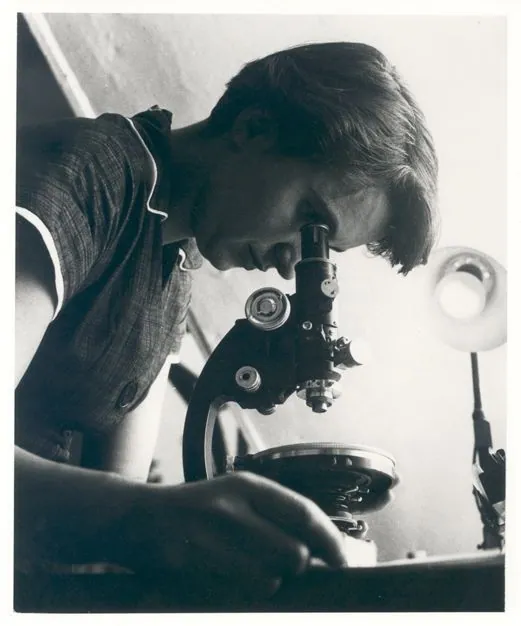
An Anglo-Jewish family
Rosalind Elsie Franklin was born in Notting Hill, London, on 25 July 1920, the second of five children and the elder daughter of Ellis Franklin and Muriel Waley [8]. Both her parents came, as the Jewish Women’s Archive puts it, from “educated and socially conscious Jewish families that had arrived in England during the 1700s and 1800s” [8]. The Franklins were merchant bankers, and they belonged to the small, interconnected elite of Anglo-Jewry sometimes called “the Cousinhood.” Her great-uncle Herbert Samuel, later Viscount Samuel, was Home Secretary in 1916 and the first practising Jew to serve in a British cabinet, and later the first High Commissioner of the British Mandate in Palestine [9]. Her aunt Helen was married to Norman Bentwich, Attorney General of Mandatory Palestine. Her father, more conservative politically than many of his relatives, nonetheless taught at the Working Men’s College and was active in Jewish communal and refugee work.
The family was observant in the Anglo-Jewish manner, attending synagogue and keeping the main festivals, and its tradition was one of public service. Franklin women, as the Jewish Women’s Archive observes, were expected to devote their education to political, educational and charitable work [8]. Rosalind took part: during her university vacations she worked with the German-Jewish Refugee Committee at Woburn House, the headquarters of the main Anglo-Jewish organisations in London [8], and in the late 1930s the Franklins took in refugee children from Central Europe [9]. Her own religious views, however, diverged early from her family’s. She was, by most accounts, an agnostic from childhood, and her biographer Brenda Maddox describes her as believing in science and in the improvement of human life rather than in God [9]. Her Jewishness was a matter of family, history and community rather than belief.
From an early age she was argumentative, logical and determined; her sister Jenifer recalled that she would argue even with her assertive father [8]. She was educated at St Paul’s Girls’ School in Hammersmith, one of the few girls’ schools in England with a strong science curriculum, where she excelled in physics and chemistry, and in 1938 she went up to Newnham College, Cambridge, to read natural sciences, specialising in chemistry [8]. Her father, who believed that women should devote themselves to voluntary work, was at first reluctant to support a scientific career, but he relented.
Coal
Franklin graduated in 1941. Her result, an “upper second,” qualified her for a research scholarship, but she did not get on with her supervisor, the physical chemist Ronald Norrish, who, she told her biographer Anne Sayre, disapproved of her interest in raising women’s status [8]. In 1942 she left to work for the British Coal Utilisation Research Association, as part of the war effort [8].
Her research at BCURA concerned the microstructure of coal: why some coals were more porous than others, and how their structure changed when they were heated. The work was of practical importance for gas masks and for fuel technology, and it was also scientifically subtle. Franklin measured the density of coals using different gases and liquids as probes, and showed that coals contain networks of fine pores, some of them so narrow that they act as molecular sieves, admitting small molecules and excluding larger ones. On the strength of five papers from this work she received her Cambridge PhD in 1945 [8].
Paris
In 1947 a French friend, the physicist Adrienne Weill, introduced her to Marcel Mathieu, who found her a post at the Laboratoire Central des Services Chimiques de l’État in Paris. There, working with Jacques Méring, she learned X-ray diffraction, applying it to imperfectly crystalline materials such as coal and carbons [8]. The technique works by shining a beam of X-rays through a sample. X-rays have wavelengths comparable to the spacing of atoms in solids, so when they pass through a regular arrangement of atoms they are scattered into a pattern of spots or rings, much as light passing through a fine mesh produces a pattern of bright and dark bands. From the positions and intensities of these features, one can deduce how the atoms are arranged.
Franklin’s Paris work produced a classification of carbons that is still used today. She showed that when carbon-rich materials are heated to very high temperatures, some of them reorganise into graphite, the layered crystalline form of carbon, while others never do, however hot they are made. The difference, she showed, lay in their initial structure: in the “non-graphitising” carbons, small graphite-like crystallites are cross-linked at random angles in a rigid network that cannot rearrange itself. This distinction between graphitising and non-graphitising carbons became fundamental to carbon science, and her papers on the subject are among the most cited of her career. It is a pleasing coincidence that the carbon materials Franklin studied would, decades later, be among the central concerns of Mildred Dresselhaus.
Franklin was happy in Paris. She loved the intellectual atmosphere of the laboratory, the French language and the freedom of French life; she hiked and climbed with colleagues and lived on her own salary [8]. She left reluctantly, at the end of 1950, because she felt she should return to England.
King’s College
In 1950 John Randall, head of the Medical Research Council’s biophysics unit at King’s College London, offered her a fellowship. Originally she was to work on proteins in solution, but before she arrived Randall changed her assignment to the X-ray diffraction of DNA fibres, in a letter that seemed to give her responsibility for the work [8]. He did not, apparently, make this clear to Maurice Wilkins, the unit’s deputy director, who had already been working on DNA and who assumed that she was coming to assist him. Randall assigned to her a PhD student, Raymond Gosling, who had been working with Wilkins. The misunderstanding poisoned relations between Franklin and Wilkins from the start. Temperamentally, too, they were ill-matched: Franklin was direct, quick and argumentative, in the French manner she had come to enjoy; Wilkins was shy and diffident. King’s itself, with its male-only senior common room, was an uncongenial place for a woman.
Scientifically, Franklin’s time at King’s was brilliantly productive. Her first major discovery was that DNA exists in two distinct forms, depending on how much water it contains. In relatively dry conditions it forms a compact, crystalline structure she called the A form; in humid conditions it absorbs water and stretches into a longer, more open structure, the B form. Previous X-ray pictures of DNA had been blurred by mixtures of the two. By building an apparatus to control the humidity of the specimen precisely, using hydrogen bubbled through salt solutions, and by drawing out single fibres of DNA, she obtained far clearer pictures of each form separately [8][9]. She also deduced, from the way the DNA absorbed water, that the phosphate groups, which are attracted to water, must lie on the outside of the molecule, with the bases inside.
Photo 51
In May 1952 Franklin and Gosling obtained an X-ray diffraction picture of the B form of DNA of exceptional clarity, which she labelled in her notebook as photograph 51 [9][56]. The framework for this essay says that Franklin produced it, and so she did, in the sense that it was made in her laboratory, under her direction and with her methods; the exposure itself was taken by Gosling, her student.
To a crystallographer, Photo 51 has an unmistakable meaning. It shows a pattern of spots arranged in the shape of an X, with a gap at the centre and strong dark arcs at the top and bottom. The X is the signature of a helix: a spiral structure scatters X-rays into a cross-shaped pattern, and the angle of the cross gives the pitch of the spiral. The strong arcs at the top and bottom show that the structure repeats every 3.4 ångströms (0.34 billionths of a metre), the distance between successive stacked bases. The spacing of the horizontal layers of spots gives the length of one complete turn of the helix, about ten times longer. And a missing layer line, the fourth, suggested that there were two strands, offset from each other. From such a picture, a trained eye could infer a helix of definite dimensions, with a regular repeating structure.
Franklin, however, was cautious. She was concentrating at the time on the A form, whose sharper pattern seemed to offer the possibility of a rigorous mathematical analysis, using a technique called Patterson analysis, that would not depend on guesswork. For a time, she was unconvinced that the A form was helical. Her approach was that of a careful experimentalist: to derive the structure from the data, rather than to build models and see if they fitted.
Watson, Crick and the double helix
At the Cavendish Laboratory in Cambridge, the young American biologist James Watson and the British physicist Francis Crick were taking the opposite approach: building physical models of DNA, guided by chemical rules and whatever experimental data they could obtain. In November 1951 Watson attended a seminar at King’s at which Franklin presented her early results. He misremembered key figures, and the triple-helix model that he and Crick built shortly afterwards was badly wrong, with the phosphates on the inside. Franklin, invited to inspect it, pointed out its errors. Randall’s laboratory and the Cavendish agreed that Watson and Crick would stop working on DNA.
In January 1953, after Linus Pauling had published a flawed model of DNA, Watson visited King’s. Wilkins, without Franklin’s knowledge or permission, showed him Photo 51 [56][9]. Watson later wrote, in his memoir, that on seeing it his mouth fell open and his pulse began to race [57]. Around the same time, through Max Perutz, Crick and Watson also saw a report summarising the King’s group’s results that had been prepared for a visiting committee of the Medical Research Council in December 1952; it included Franklin’s measurements of the dimensions of the unit cell of the B form and its symmetry. Crick, who had expertise in the theory of helical diffraction, recognised that this symmetry implied two chains running in opposite directions.
With these data, and with the chemical insight that the bases paired in a specific way, adenine with thymine and guanine with cytosine, Watson and Crick built their model of the double helix in late February and early March 1953. It was published in Nature on 25 April 1953, alongside two papers from King’s: one by Wilkins and his colleagues, and one by Franklin and Gosling, which presented Photo 51 and the evidence that it supported a helical structure with the phosphates on the outside [58][59]. Watson and Crick acknowledged that they had been “stimulated by a knowledge of the general nature of the unpublished experimental results and ideas” of Wilkins, Franklin and their co-workers [58], a form of words that, as the Jewish Women’s Archive notes, gave her only vague credit [8].
For decades the dominant account of these events was Watson’s 1968 memoir The Double Helix [57], which portrayed Franklin, under the nickname “Rosy,” as a dowdy, difficult woman who guarded her data jealously and did not understand its meaning. The portrait provoked indignation among her friends and colleagues, and Anne Sayre’s 1975 biography, Rosalind Franklin and DNA [60], was written in part to correct it [8]. Brenda Maddox’s 2002 biography, Rosalind Franklin: The Dark Lady of DNA, drew on her letters and notebooks to give a much fuller picture [9].
More recently, in 2023, the historians Matthew Cobb and Nathaniel Comfort published in Nature an analysis of previously unexamined documents, including a draft news article about the King’s and Cavendish work prepared in 1953 for Time magazine and correspondence from the period, which suggest that contemporaries saw the discovery as a joint achievement of two teams working in parallel, and that Franklin was an equal contributor rather than an unwitting source of stolen data [56]. Her notebooks show that by early 1953 she had concluded independently that the B form was a two-chain helix with the phosphates outside, and that she was closing in on the structure. On this reading, the injustice was less a single dramatic theft than a systematic failure, over many years, to credit her properly. The story is still debated, but the scholarly consensus now gives Franklin a central place in it.
Viruses
By the time the double helix was published, Franklin had already decided to leave King’s, and in March 1953 she moved to Birkbeck College, London, to work in the laboratory of the crystallographer J. D. Bernal [8]. A condition of her move, imposed by Randall, was that she stop working on DNA. She turned to viruses, and in five years she built one of the leading groups in the world in the study of virus structure.
Her main subject was tobacco mosaic virus, or TMV, a rod-shaped virus that infects tobacco and tomato plants and had been the first virus ever identified. With her colleagues, among them the young South African-born Aaron Klug, the American Donald Caspar, and the students Kenneth Holmes and John Finch, she used X-ray diffraction to work out the structure of the virus. They showed that TMV is a hollow tube made of more than two thousand identical protein subunits arranged in a helix, with the single strand of RNA that carries the virus’s genetic information wound in a spiral groove between the turns of protein, buried about two-thirds of the way out from the centre [8]. This was the first detailed picture of how a virus packages its genome. The work established fundamental principles of virus architecture: that viruses build their coats from many copies of a few kinds of protein, assembled according to simple geometric rules. She also began work on the structure of the poliovirus, and her group made some of the first X-ray studies of crystals of a spherical virus.
Her work at Birkbeck was carried out in difficult conditions, in old buildings in Torrington Square, and with grant funding that was constantly in question. She was nevertheless happy there; Bernal admired her, and her group was harmonious and productive. Her output in these five years was prodigious.
Illness and death
In the summer of 1956, on a visit to the United States, Franklin fell ill. Back in London, she was diagnosed with ovarian cancer. She had two operations and underwent experimental treatment, and continued to work through the remission that followed. In the last months, between hospital stays, she convalesced at the home of Francis and Odile Crick, with whom she had become friends; she continued to work on plans for her group’s research until shortly before her death. She died in Chelsea on 16 April 1958, at the age of thirty-seven [8], and was buried in the Willesden Jewish Cemetery in north-west London. It has often been suggested that her exposure to X-rays contributed to her cancer; it cannot be proved.
The Nobel Prizes
In 1962 the Nobel Prize in Physiology or Medicine was awarded jointly to Francis Crick, James Watson and Maurice Wilkins “for their discoveries concerning the molecular structure of nucleic acids and its significance for information transfer in living material” [61]. Franklin had been dead for four years. Nobel Prizes are not awarded posthumously, and a prize may be shared among at most three people. Whether she would have been included had she lived can never be known.
Twenty years later, in 1982, Aaron Klug received the Nobel Prize in Chemistry “for his development of crystallographic electron microscopy and his structural elucidation of biologically important nucleic acid-protein complexes” [62], work that grew directly out of the virus research he had begun with Franklin at Birkbeck. Klug always acknowledged his debt to her, and it is widely believed that, had she lived, she would have shared this prize.
The question of credit
The debate over Franklin’s role in the DNA story has sometimes generated more heat than light, and it is worth stating clearly what is and is not in dispute. It is not in dispute that Photo 51 and the data in the King’s report were important to Watson and Crick; Watson himself described the effect of seeing the photograph [57]. It is not in dispute that Franklin did not give permission for Wilkins to show Watson her photograph, or for the King’s report to be passed to Crick [56]. And it is not in dispute that the acknowledgement in the 1953 Nature paper was, by modern standards, inadequate [58][8].
What has been debated is whether Franklin was close to solving the structure herself, and whether the use of her data amounted to theft. Cobb and Comfort’s 2023 analysis suggests that the “theft” narrative, while understandable, oversimplifies: the King’s and Cavendish groups were in regular contact, data flowed in both directions, and contemporaries regarded the discovery as a joint achievement [56]. But they also emphasise that Franklin’s contribution was fundamental and was systematically minimised for decades. The image of Franklin as a passive victim whose data were stolen has, ironically, done her a disservice, by obscuring her as an active scientist who was making her own progress toward the structure.
There is a broader lesson here. Discoveries in modern science are rarely the work of single individuals; they emerge from networks of collaboration and competition in which data, ideas and techniques move between groups. The allocation of credit within such networks is shaped by institutional power, by the conventions of publication and prizes, and by the biases of those who tell the story afterwards. Franklin, a woman in a male institution, working in a field where the rewards went to model-builders rather than to the experimentalists whose data made the models possible, was disadvantaged at every stage. Her case has become a touchstone in discussions of how credit is assigned in science precisely because it exposes so many of these mechanisms at once.
Legacy
For many years after her death Franklin was remembered chiefly as an aggrieved footnote to the story of the double helix. That has changed. King’s College London named a building after her and Wilkins in 2000 [8]; universities, institutes, prizes and awards now bear her name; and the European Space Agency named its Mars rover after her. Her portrait has become one of the most recognisable images of a woman scientist.
The danger of this rehabilitation is that it reduces her, again, to her role in the DNA story, and to her status as a wronged woman. Her real legacy is broader. Her work on coal and carbons established distinctions that are still fundamental; her work on DNA provided the experimental foundation for the most famous structure in biology; and her work on viruses founded a field. In each case, the hallmark was the same: technical mastery of a difficult experimental method, painstaking attention to the quality of data, and an insistence on letting the evidence lead. She was, in a phrase often used by her colleagues, a scientist of absolute integrity.
Her career also shows how gender, class and religion intersected in mid-century British science. She was privileged by birth and education, and she never lacked money. But she worked in institutions designed for men, in which women’s authority was routinely misunderstood, and her treatment by Watson, in particular, was coloured by attitudes to women that would now be regarded as unacceptable. Antisemitism plays a less obvious part in her story than in those of the European women in this essay; but her awareness of what was happening to Jews in Europe, her work with refugees, and her family’s place in Anglo-Jewish life are part of who she was. Maddox’s biography portrays a woman of strong convictions, scientific and moral, working in a world that was not always ready for her [9].
Chapter 9. Vera Cooper Rubin (1928–2016), The Dark Side of the Galaxies
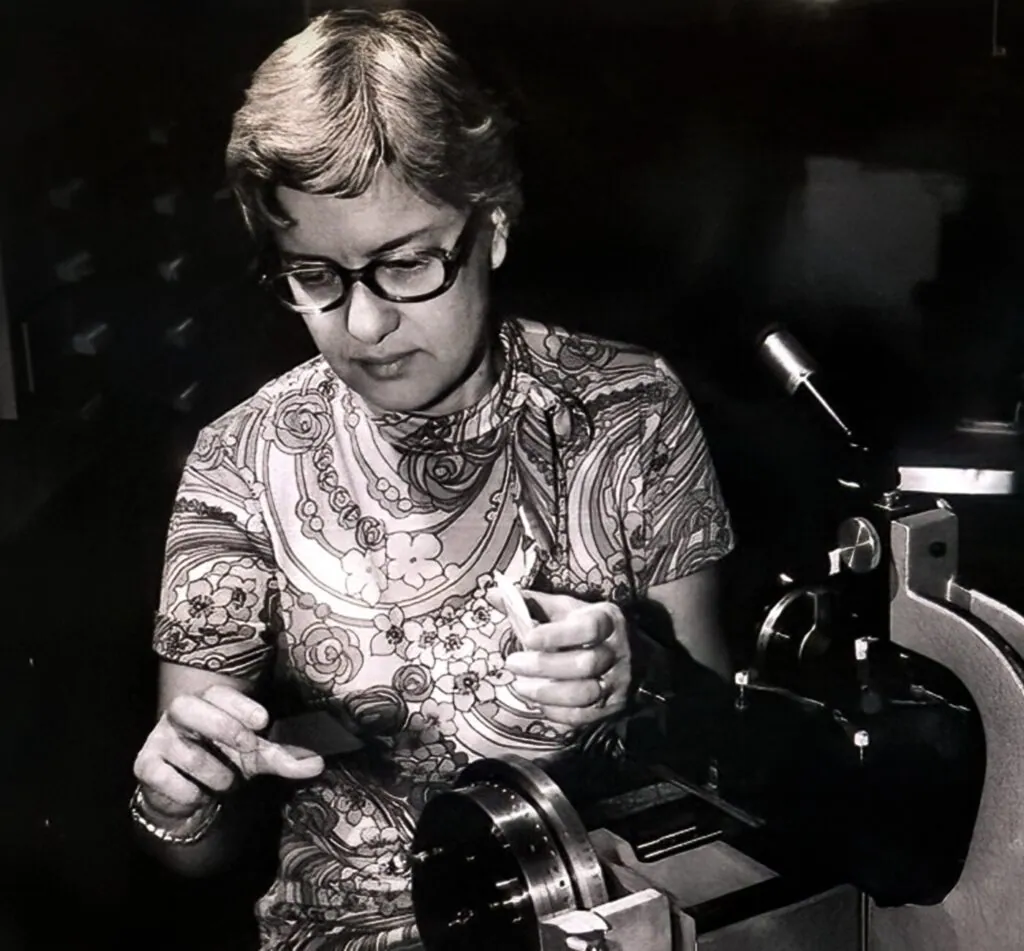
A window on the sky
Vera Florence Cooper was born in Philadelphia on 23 July 1928, the younger of two daughters of Philip Cooper, an electrical engineer, and Rose Applebaum Cooper [21]. Both parents came from Jewish immigrant families from Eastern Europe. When Vera was ten the family moved to Washington, D.C., and there, from the window of her bedroom, which faced north, she watched the stars wheel around the pole at night. She later said that she would rather stay up and watch the stars than go to sleep. Her father encouraged her interest. He took her to meetings of amateur astronomers and, when she was fourteen, helped her build her first telescope, from a cardboard tube and a lens she had ordered [21].
She discovered early, as the Jewish Women’s Archive puts it, that “a woman who aimed to become an astronomer did not have an easy path to follow” [21]. When she told a high school physics teacher that she had won a scholarship to Vassar, she recalled, he told her she would be all right as long as she stayed away from science. She went to Vassar, the women’s college whose first professor of astronomy, Maria Mitchell, had been one of the first American women astronomers, and graduated in 1948 as the only astronomy major of her year [21].
She wanted to go to graduate school at Princeton. Princeton’s graduate astronomy programme did not admit women; it would not do so until 1975 [22]. She was accepted at Harvard but, newly married, followed her husband, Robert Rubin, a graduate student in physical chemistry, to Cornell, where she took a master’s degree in 1951 [21].
Unorthodox beginnings
Her master’s thesis was a sign of things to come. At a time when redshifts, the measures of how fast galaxies are receding from us, were known for only about a hundred galaxies, she analysed them to see whether, on top of the general expansion of the universe discovered by Edwin Hubble, there was a systematic sideways motion, as though the whole local system of galaxies were rotating. Her analysis seemed to show that there was [21]. She presented the result at a meeting of the American Astronomical Society in 1950, when she was twenty-two and had just had her first child, and it was received with hostility. The paper was rejected by both of the leading American astronomical journals [21]. She later accepted that her data had been too thin, but the work anticipated the recognition, by Gérard de Vaucouleurs and others, that our galaxy belongs to a flattened Local Supercluster with its own motions.
She took her doctorate at Georgetown University in Washington, studying part time while raising young children, under the supervision of George Gamow, the émigré physicist best known for his work on the Big Bang. Georgetown, a Jesuit university, did not have a strong graduate programme in astronomy, and she took classes at night while her parents looked after the children and her husband waited in the car outside. Her thesis of 1954 asked whether galaxies are distributed randomly across the sky or clumped together. She concluded that they were clumped: there was “a definite clumping,” in the archive’s summary [21]. This was one of the earliest studies of what is now called the large-scale structure of the universe, but it, too, was largely ignored; the subject was not taken up seriously until the late 1970s [21].
From 1955 to 1965 she taught and did research at Georgetown, rising from research associate to assistant professor. In 1963–64 she worked with the husband-and-wife team of Geoffrey and Margaret Burbidge on the rotation of galaxies [21].
Carnegie and Kent Ford
In 1965 she joined the Department of Terrestrial Magnetism of the Carnegie Institution of Washington, an independent research institution with a broad scientific remit, where she would remain for the rest of her career [21]. It was there that she met her long-term collaborator, the instrument builder W. Kent Ford, Jr., who had developed a new kind of spectrograph equipped with an electronic image tube that amplified faint light and made it possible to record the spectra of faint objects much more quickly than with photographic plates alone.
In the same year she applied for observing time at the Palomar Observatory in California, home of the 200-inch Hale telescope, then the largest in the world. Women had not been allowed to observe there in their own right; the official excuse was that the observatory had no women’s lavatory. According to the Jewish Women’s Archive, she became that year “the first woman to observe ‘legally’ at Mount Palomar Observatory under her own name as a guest investigator” [21]. The story, often repeated, has it that she cut out a paper figure of a woman in a skirt and stuck it to the door of the men’s toilet.
Rubin deliberately chose problems that were not fashionable. She had been burned twice by controversy, and she had four young children. She wanted, she said, a problem that nobody else was working on, so that she could work at her own pace without being in a race. She chose the rotation of spiral galaxies.
Rotation curves
A spiral galaxy, such as our own Milky Way or our neighbour Andromeda, is a flattened disc of hundreds of billions of stars, together with gas and dust, rotating around a bright central bulge. Each star orbits the centre, as the planets orbit the Sun, and its orbital speed depends on how much mass lies inside its orbit. A graph showing orbital speed against distance from the centre is called a rotation curve.
What would one expect such a curve to look like? In the Solar System nearly all the mass is in the Sun, so the planets farther out move more slowly: Mercury travels at about 48 kilometres per second, the Earth at about 30, Neptune at about 5. This decline of orbital speed with distance is called Keplerian, after Johannes Kepler, who discovered the laws of planetary motion. In a spiral galaxy, most of the visible light, and therefore, it was assumed, most of the mass, is concentrated toward the centre. So one would expect that, beyond the bright inner region, the orbital speeds of stars and gas would fall off with distance, as the planets’ speeds do.
Rubin and Ford set out to measure the rotation curve of Andromeda. They used the Doppler effect: light from a source moving away from us is shifted toward the red end of the spectrum, and light from a source moving toward us toward the blue. By pointing their spectrograph at clouds of glowing hydrogen gas at different distances from the centre on either side of the galaxy, one side rotating toward us and the other away, they could measure how fast the gas was moving. Their paper of 1970 in the Astrophysical Journal presented the rotation of Andromeda from a spectroscopic survey of its emission regions [63].
The result was startling. The rotation speed did not fall off at large distances from the centre. It stayed roughly constant, out to the farthest regions they could measure. The rotation curve was, in the language of astronomers, flat. The JWA’s summary explains the significance concisely: unlike the Solar System, where the planets follow Keplerian motion, “the luminous matter in spiral galaxies has a high orbital velocity out to the visible edge” [21].
Dark matter
A flat rotation curve means that the mass of the galaxy keeps increasing with distance from the centre, even in regions where there is very little visible light. If the stars at the edge are moving as fast as those nearer the centre, and yet are not flying off into space, then there must be enough mass inside their orbits to hold them in. But the visible stars and gas do not supply nearly enough. The natural interpretation is that the galaxy is embedded in a much larger, roughly spherical halo of matter that emits no light: dark matter. As the Jewish Women’s Archive puts it, this “is usually explained as due to the fact that the bulk of the galaxy’s mass is not clustered at the center … but there exists a halo of dark matter extending at least to the visible edge, if not farther” [21].
The idea of unseen matter was not new. In 1933 the Swiss astronomer Fritz Zwicky had argued, from the motions of galaxies in the Coma cluster, that clusters of galaxies contained far more mass than could be seen, and in the early 1970s the theorists Jeremiah Ostriker and James Peebles argued that the discs of spiral galaxies would be unstable unless they were embedded in massive halos. Radio astronomers measuring the 21-centimetre line of neutral hydrogen, which can be traced to larger distances than optical emission, were finding hints of the same phenomenon. But Zwicky’s claim had been largely ignored for four decades, and the theoretical arguments were indirect. What Rubin and her collaborators provided was direct, systematic and persuasive observational evidence. Through the 1970s they measured the rotation curves of many spiral galaxies of different types and sizes. In 1980, with Ford and Norbert Thonnard, she published the rotation curves of twenty-one spiral galaxies spanning a wide range of luminosities and sizes, and found that the curves were flat in all of them [64]. The flatness was not a peculiarity of one galaxy but a universal property. Over her career she analysed the spectra of more than two hundred galaxies and found, as the archive records, “that nearly all contain copious amounts of dark matter” [21].
The work transformed cosmology. It is now generally accepted that ordinary matter, the atoms of which stars, planets and people are made, accounts for only about a sixth of the matter in the universe, and that the rest is dark matter, whose nature remains unknown. Dark matter governs the formation of galaxies and clusters, the large-scale structure of the cosmos and the patterns in the cosmic microwave background. The search for what it is made of, whether new elementary particles or something stranger, is one of the central problems of modern physics. A minority of physicists have proposed that the flat rotation curves indicate instead that the law of gravity must be modified at very low accelerations; Rubin herself was open to this possibility. But either way, her observations established that something fundamental was missing from the standard picture.
The New York Times, in its obituary, described her work as “ushering in a Copernican-scale change” in cosmological theory [22]. That is not an exaggeration. Before Rubin, astronomers assumed that the universe was made mostly of the kind of matter they could see. After her, they knew that it was not. In the archive’s phrase, she changed our view “from a universe dominated by starlight to one dominated by dark matter” [21].
The Rubin–Ford effect
Rubin also returned, in the early 1970s, to the question of large-scale motions that had preoccupied her as a student. With Ford and others, she found evidence that our galaxy and its neighbours were moving relative to the cosmic background in a direction not accounted for by the general expansion. This “Rubin–Ford effect” was controversial and has been called spurious by some and well established by others [21]; later work on large-scale flows, including the discovery of the so-called Great Attractor, showed that such motions are real, although the details of her early result have been debated.
A mentor and advocate
Rubin was elected to the National Academy of Sciences in 1981, only the second woman astronomer to be so honoured [21]. She received the National Medal of Science in 1993, the Dickson Prize in Science from Carnegie Mellon University in 1994, the Gold Medal of the Royal Astronomical Society in 1996 and the Bruce Medal of the Astronomical Society of the Pacific, among many other honours [21][22]. The Royal Astronomical Society’s Gold Medal had been awarded to only one woman before her, Caroline Herschel, in 1828. In 2004 the National Academy of Sciences awarded her its James Craig Watson Medal for, in the words of the citation quoted by the archive, “her seminal observations of dark matter in galaxies… and for generous mentoring of young astronomers, men and women” [21].
The mentoring was not incidental. Remembering what it had been like to be a lone woman at a telescope, she regarded it as a responsibility and a privilege to help young women astronomers. “It is well known,” she said, “that I am available twenty-four hours a day to women astronomers” [21]. She lobbied scientific societies to include more women among their speakers and prizewinners, and she was outspoken when they did not. In her collection of essays Bright Galaxies, Dark Matters she set out her credo:
“I live and work with three basic assumptions. (1) There is no problem in science that can be solved by a man that cannot be solved by a woman. (2) Worldwide, half of all brains are in women. (3) We all need permission to do science, but, for reasons that are deeply ingrained in history, this permission is more often given to men than to women.” [21]
Science and Judaism
Rubin was Jewish and spoke of her Jewishness as a source of ethical orientation rather than doctrine. “In my own life,” she said in an interview quoted by the Jewish Women’s Archive, “my science and my religion are separate. I’m Jewish, and so religion to me is a kind of moral code and a kind of history. I try to do my science in a moral way” [21]. Her family life was close and scientific: all four of her children earned doctorates in the natural sciences or mathematics. Her husband Robert, a mathematical physicist and chemist, died in 2008.
The Nobel question
Rubin’s death on 25 December 2016, at the age of eighty-eight [21][22], prompted widespread comment that she had never received the Nobel Prize in Physics. The prize has been awarded for many discoveries in cosmology, including the cosmic microwave background, the accelerating expansion of the universe and the theoretical understanding of cosmic structure. The discovery that most of the matter in the universe is dark is surely comparable in importance. Some commentators suggested that the long uncertainty about what dark matter actually is may have made the committee hesitant; others pointed to the persistent under-representation of women among physics laureates. Only five women have received the physics prize [27]. Whatever the reason, the omission is widely regarded as one of the most conspicuous of recent decades.
Measurement and discovery
Rubin’s discovery is a textbook illustration of a point that philosophers of science sometimes forget: that many of the most important discoveries are made not by testing a theory but by measuring something carefully and noticing that the result is strange. Rubin and Ford were not looking for dark matter when they measured the rotation of Andromeda [63]. They were trying to measure how the galaxy rotated, a straightforward observational problem made newly tractable by Ford’s image-tube spectrograph. The flat rotation curve was a surprise.
What made the surprise persuasive was the quality and the quantity of the data. A single flat rotation curve might have been explained away as a peculiarity of one galaxy, or as an error in the measurement of its outer regions. Rubin’s response was to measure many more, of different types, sizes and luminosities, until the conclusion was inescapable [64]. She was, in this sense, the opposite of a theorist with a hypothesis to defend: she let the galaxies speak, and kept measuring until their message was clear.
She was also fortunate in her timing. Her observations arrived at a moment when theorists, independently, were beginning to argue that galaxies needed massive halos to be stable, and radio astronomers were finding similar evidence from the motion of hydrogen gas at even larger distances [21]. The convergence of these independent lines of evidence in the 1970s was what persuaded the astronomical community. Zwicky’s argument of the 1930s, by contrast, had arrived too early, without supporting evidence, and was largely ignored.
Rubin was characteristically modest about her role. She insisted that she had not discovered dark matter, which Zwicky had proposed long before, and she was sceptical of attempts to cast her as a lone genius. But the systematic demonstration that dark matter dominates the mass of galaxies is, by any reasonable standard, one of the major discoveries of twentieth-century astronomy, and it was hers more than anyone’s.
The story of her exclusion from Palomar deserves a final comment. The excuse given, that the observatory had no women’s lavatory, seems almost comic today. But it was a real barrier, and it was one of many such barriers, informal, practical and apparently trivial, that kept women out of observational astronomy for generations. Observing required access to telescopes, which were controlled by a small number of institutions, almost all run by men, and access depended on invitations, recommendations and informal networks from which women were largely excluded. That Rubin overcame these barriers, while raising four children and working part time for many years, is a measure of her determination.
Legacy
In 2020 the large survey telescope under construction on Cerro Pachón in Chile was named the Vera C. Rubin Observatory. Its purpose is to map the entire southern sky repeatedly over ten years, producing an unprecedented record of changing objects and of the distribution of matter, visible and invisible, across the universe. One of its central goals is to study dark matter and dark energy. It is the first major American national observatory named after a woman. There could hardly be a more fitting memorial.
Rubin’s career illustrates several themes of this essay with unusual clarity. She was excluded from one of the leading graduate schools because she was a woman. She did her doctorate part time, at night, while raising children. She was locked out of the largest telescope in the world by a bathroom. Her early work was rejected and ignored. She deliberately chose an unfashionable problem to avoid the pressures of competition, and in doing so made one of the great discoveries of twentieth-century astronomy. And, having succeeded, she spent decades making sure that the doors that had been closed to her were open for others.
She also illustrates something about the nature of discovery. Rubin did not set out to find dark matter. She set out to measure something carefully, the rotation of galaxies, and found that the measurements did not agree with expectation. Her greatest scientific virtue was her willingness to believe her data. As she said on many occasions, she was not trying to prove a theory; she was trying to find out what the galaxies were doing.
Chapter 10. Mildred Spiewak Dresselhaus (1930–2017), The Queen of Carbon
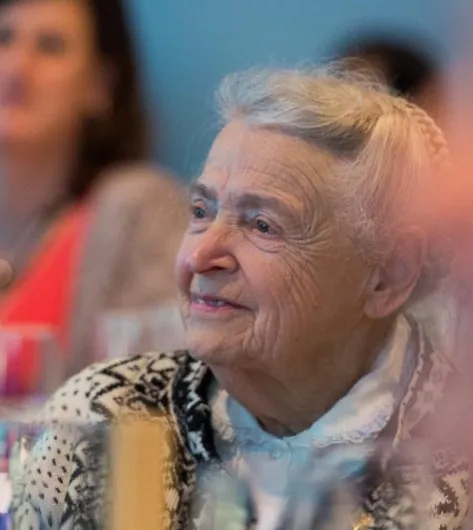
The Bronx and the violin
Mildred Spiewak was born in Brooklyn on 11 November 1930 and grew up in the Bronx, the daughter of Polish Jewish immigrants [18][65]. The family was poor, and the Depression made it poorer. As a child, according to later accounts, she earned money doing piecework at home and working in a zipper factory during the summer holidays [65]. Her escape route was music. She and her brother won scholarships to study the violin, and through the music schools she attended she came into contact with children from wealthier and more educated families, who showed her that there were schools beyond her neighbourhood. She won a place by examination at Hunter College High School, one of the selective public schools of New York, and from there went to Hunter College [18].
She planned to become a schoolteacher, the most obvious career for a bright young woman of her background. At Hunter she took a course in physics with a young instructor who was herself working toward a career in research: Rosalyn Yalow. Yalow, according to MIT’s obituary, “encouraged Dresselhaus to pursue physics instead” [18]. It is one of the pleasing connections in this essay that one future Nobel laureate should have been the teacher who turned another great physicist toward science.
Dresselhaus graduated from Hunter in 1951 and won a Fulbright fellowship to study at the University of Cambridge. She then took an MA at Radcliffe College in 1953 and her PhD in 1958 at the University of Chicago, where she studied under Enrico Fermi [18]. Fermi, she later recalled, was a demanding teacher; three-quarters of the students in the programme failed the rigorous qualifying examinations. “It was what you did that counted,” she told a gathering of young women scientists in 2015, “and that followed me through life” [18]. Her thesis, supervised by Andrew Lawson, was on the microwave properties of superconductors in a magnetic field.
At Chicago she met Gene Dresselhaus, a fellow physicist, whom she married in 1958. They had four children, and for most of their lives they worked together.
Lincoln Laboratory and graphite
After two years as a National Science Foundation postdoctoral fellow at Cornell, Dresselhaus joined the Solid State Division of the MIT Lincoln Laboratory in 1960 [18]. It was the beginning of a fifty-seven-year association with MIT. At Lincoln, she had intended to continue work on superconductivity, but the new laboratory had a powerful magnet facility, and she was steered toward the study of the electronic properties of semimetals, materials intermediate between metals and semiconductors. Among them was graphite, the soft, grey, layered form of carbon used in pencils.
It was not a fashionable choice. In the early 1960s, semiconductors such as silicon and germanium were the centre of attention in solid-state physics, because of the transistor. Graphite was regarded as a dull material. But it had remarkable properties, and Dresselhaus, working with magneto-optical techniques that used light and strong magnetic fields to probe the energy levels of electrons, began a lifelong exploration of them.
To understand why carbon proved so rich, one must understand its forms. Carbon atoms can bond to one another in several ways. In diamond, each atom is bonded to four others in a rigid three-dimensional lattice, producing the hardest natural material. In graphite, each atom is bonded to three others in a flat sheet of hexagons, like chicken wire; the sheets are stacked one on another and held together only weakly, which is why graphite is soft and slippery. Within each sheet, however, the electrons can move freely, so graphite conducts electricity well along the layers but poorly across them.
Dresselhaus’s work in the 1960s and 1970s established the electronic structure of graphite in detail: how its electrons and “holes” (the absence of electrons, which behave like positive charges) were distributed in energy, how they responded to magnetic fields, and how the structure changed when other atoms were inserted between the layers. These “graphite intercalation compounds,” in which atoms of potassium, lithium or other elements slip between the carbon sheets like letters filed between pages, became one of her principal subjects. They changed the electronic properties of graphite dramatically, and they have a practical descendant of great importance: the lithium-ion battery, whose anode usually consists of graphite into which lithium ions are inserted during charging.
MIT and women
In 1967 Dresselhaus joined the MIT Department of Electrical Engineering as the Abby Rockefeller Mauzé Visiting Professor, a chair reserved for distinguished women. She became a permanent member of the faculty in 1968 and added an appointment in physics in 1983 [18]. At the time, women were a tiny minority of MIT’s students, let alone its faculty. Dresselhaus became an energetic advocate for them. In 1971 she and a colleague organised MIT’s first Women’s Forum, and in 1973 she received a grant from the Carnegie Foundation to support efforts to encourage women to enter male-dominated fields of science and engineering [18]. She ran a seminar for first-year engineering students designed to build the confidence of young women, which, MIT recalled, always drew a large audience of both sexes [18]. She is credited with helping to change MIT’s admissions policies so that women were admitted on the same basis as men, rather than in numbers limited by the availability of dormitory places.
Fullerenes and nanotubes
In 1985 Harold Kroto, Robert Curl and Richard Smalley discovered a new form of carbon: closed cages of carbon atoms, the most famous of which, C60, has sixty atoms arranged in the shape of a football. These “fullerenes” or “buckyballs,” named after the architect Buckminster Fuller, whose geodesic domes they resemble, earned their discoverers the Nobel Prize in Chemistry in 1996. Dresselhaus was among the first to study their physical properties, and with Gene Dresselhaus and Peter Eklund she wrote Science of Fullerenes and Carbon Nanotubes (1996), a comprehensive treatise that became the standard reference in the field [66][18].
Even before the fullerenes, Dresselhaus had studied carbon fibres and had speculated about the possibility of rolling graphite sheets into tiny cylinders. In 1991 the Japanese physicist Sumio Iijima reported the observation of carbon nanotubes: hollow tubes of carbon, a few billionths of a metre across, formed by rolling up a sheet of graphite. Dresselhaus and her collaborators, including Riichiro Saito and Gene Dresselhaus, worked out much of the theory of their electronic structure. One of their most remarkable predictions was that whether a nanotube behaves as a metal or a semiconductor depends on the angle at which the graphite sheet is rolled, which determines how the hexagons line up around the circumference. The same carbon, rolled slightly differently, can conduct like copper or switch like silicon. This prediction, made in the early 1990s, was subsequently confirmed and is fundamental to the use of nanotubes in electronics.
She also became a leading expert on Raman spectroscopy of carbon materials, a technique in which laser light scattered from a material is analysed for small shifts in its colour caused by the vibrations of the atoms. These vibrations, called phonons, are like the material’s fingerprint, and Raman spectra became one of the main ways of identifying and characterising nanotubes and, later, graphene. The Kavli Prize in Nanoscience, awarded to her in 2012, recognised her “pioneering contributions to the study of phonons, electron-phonon interactions, and thermal transport in nanostructures” [18][67].
Thermoelectrics
A different line of her work concerned thermoelectric materials, which convert heat directly into electricity or, run in reverse, use electricity to pump heat. They could, in principle, recover energy from waste heat in car exhausts and power stations, or provide refrigeration without moving parts. But known materials were inefficient, and the field had stagnated. In 1993 Dresselhaus and her student L. D. Hicks published a paper showing theoretically that confining electrons in very thin layers, so-called quantum wells, could dramatically improve the thermoelectric efficiency of a material [68]. The idea was that nanostructuring could change the relationship between electrical and thermal conductivity in favourable ways. MIT’s obituary notes that her work “on using quantum structures to improve thermoelectric energy conversion reignited this research field” [18]. It inspired a large international effort on nanostructured thermoelectrics that continues today.
Graphene and beyond
In 2004 Andre Geim and Konstantin Novoselov, at the University of Manchester, isolated graphene, a single atomic layer of graphite, and demonstrated its extraordinary electronic properties; they received the Nobel Prize in Physics in 2010. Much of the theoretical understanding of graphene, including its electronic band structure and its vibrational properties, rested on work done on graphite decades earlier, a good deal of it by Dresselhaus. In her last years she remained at the forefront of the field, working, as MIT’s obituary puts it, on “nanomaterials and other nanostructural systems based on layered materials, like graphene, and more recently beyond graphene, like transition metal dichalcogenides and phosphorene” [18].
The nickname “Queen of Carbon Science,” used in MIT’s obituary and widely elsewhere [18], reflects the scope of this work. Few scientists have shaped the understanding of a single element so comprehensively, across so many of its forms.
Institute Professor and public servant
In 1985 Dresselhaus became the first woman to be named an Institute Professor at MIT, the highest honour MIT bestows on members of its faculty, held by no more than a dozen active professors at a time [18]. She co-authored eight books and around 1,700 papers and supervised more than sixty doctoral students [18].
She also served the American scientific community at the highest levels. She was president of the American Physical Society and of the American Association for the Advancement of Science, chair of the governing board of the American Institute of Physics, treasurer of the National Academy of Sciences, and, in 2000–01, director of the Office of Science at the United States Department of Energy [18]. She was elected to both the National Academy of Sciences and the National Academy of Engineering.
The framework’s list of her honours is accurate. She received the National Medal of Science from President George H. W. Bush in 1990, becoming, as MIT’s president noted, “the first woman to win the National Medal of Science in engineering” [18]. She received the Enrico Fermi Award of the Department of Energy, the Kavli Prize in Nanoscience in 2012, of which she was the first solo recipient, the Presidential Medal of Freedom from President Barack Obama in 2014 and the IEEE Medal of Honor in 2015, for “leadership and contributions across many fields of science and engineering” [18]. The Presidential Medal of Freedom is the highest civilian honour the United States confers.
A public face
In the last weeks of her life, General Electric released a short advertising film featuring Dresselhaus, which imagined a world in which women scientists were treated as celebrities, with children dressing up as her and fans seeking her autograph [18]. It was a lighthearted idea with a serious point, and it made her briefly famous to people who had never heard of graphite intercalation compounds. She was eighty-six.
She died at Mount Auburn Hospital in Cambridge, Massachusetts, on 20 February 2017, after a brief illness [18]. MIT’s president, L. Rafael Reif, wrote: “Yesterday, we lost a giant — an exceptionally creative scientist and engineer who was also a delightful human being” [18]. She was survived by her husband Gene, her four children and five grandchildren, and, as MIT’s obituary added, by her many students [18].
The unfashionable element
Dresselhaus often remarked that she had come to carbon by accident, steered toward graphite at Lincoln Laboratory because it was available rather than because it was fashionable. Like Rubin’s choice of galaxy rotation and Elion’s long immersion in the purines, the choice turned out to be extraordinarily fertile, precisely because it allowed her to build up, over decades, a depth of understanding that no one else possessed. When fullerenes, nanotubes and graphene arrived in succession, she was ready for each of them, because she already understood the physics of the carbon sheet from which they were all derived.
Her method was characteristically collaborative. Much of her work was done with her husband Gene, and with a large international network of collaborators, including Riichiro Saito in Japan, Ado Jorio in Brazil and many others. MIT’s obituary emphasises her mentoring of students and young faculty [18], and the scale of her output, around 1,700 papers, reflects a style of research in which she acted as the centre of a very large web of joint work. This was a style well suited to the emerging field of nanoscience, which drew together physicists, chemists, materials scientists and engineers, and in which no single discipline held the key.
Her work also illustrates the long and unpredictable path from fundamental research to application. The study of graphite intercalation compounds in the 1970s seemed, at the time, of purely academic interest. Lithium-ion batteries, whose graphite anodes store lithium between carbon layers, now power billions of mobile phones and millions of electric cars. Her theoretical work on nanotubes in the early 1990s was similarly fundamental; the electronic and mechanical properties of nanotubes are now exploited in sensors, composites and experimental electronics. And her proposal that nanostructuring could improve thermoelectric efficiency [68] launched an applied field that is still growing, as engineers seek to recover the vast quantities of energy lost as waste heat.
Finally, her career as a public servant deserves emphasis. As director of the Office of Science at the Department of Energy, president of the American Physical Society and of the American Association for the Advancement of Science, and treasurer of the National Academy of Sciences [18], she helped shape the direction of American science for decades. She was one of the first women to hold such positions, and she used them, consistently, to advocate for basic research and for the participation of women.
Legacy
Dresselhaus’s scientific legacy lies in the physics of carbon and of low-dimensional materials. Her work on graphite laid the foundations for the understanding of graphene and nanotubes; her predictions about nanotube electronic structure are textbook material; her work on thermoelectrics revived a field; and her Raman studies provided the standard tools for characterising carbon nanomaterials. Nanoscience, a field that barely existed when she began, owes her an enormous debt.
Her human legacy is equally significant. She came from a poor immigrant Jewish family in the Bronx, found her way to physics through a violin scholarship, a selective public school and a free college, was turned toward research by a woman teacher who would herself win a Nobel Prize, and went on to become one of the most influential physicists and science administrators of her generation. Along the way she raised four children and spent decades opening doors for women at an institution that had been, when she arrived, overwhelmingly male. In this, she stands in the tradition of Yalow and Rubin: scientists who used their own success to make the path easier for those who came after them.
Unlike several of the women in this essay, Dresselhaus did not experience exile or persecution, and she spoke less about her Jewish background than about class and gender. But her career is part of a recognisable pattern. The great public institutions of New York, Hunter College above all, took the daughters of Jewish immigrants and turned them into scientists of the first rank. Yalow, Elion and Dresselhaus were all products of that system, and between them they won a Nobel Prize, a second Nobel Prize, three National Medals of Science, a Kavli Prize and a Presidential Medal of Freedom. There are few more striking demonstrations of what free, meritocratic higher education can achieve.
Chapter 11. Hertha Ayrton (1854–1923), Arcs, Ripples and Votes
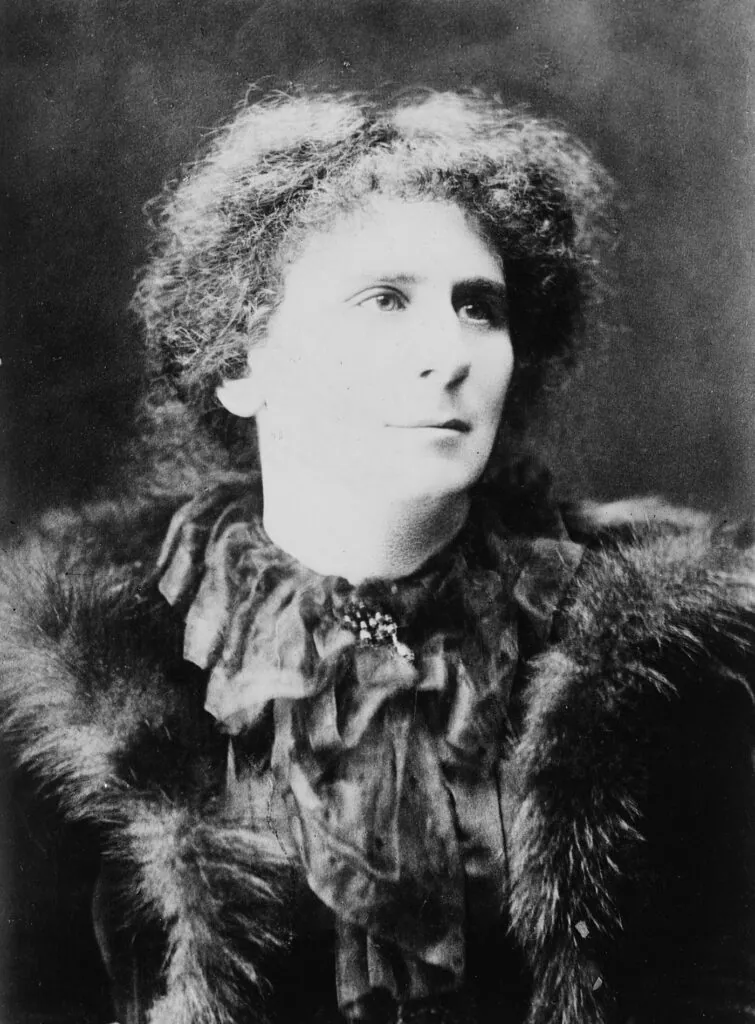
Portsea
The oldest of the women in this essay was born in the Portsea district of Portsmouth on 28 April 1854 and named Phoebe Sarah Marks [15]. Her father, Levi Marks, was a Jewish watchmaker and jeweller who had come from Russian Poland; her mother, Alice Theresa Moss, came from an old Portsmouth Jewish family and worked as a seamstress [16][15]. Her mother’s family had deep roots in the town: one ancestor was among the founders of the local Jewish community in the eighteenth century. Levi Marks died in 1861, leaving his widow with seven children and another on the way, and in serious financial difficulty [15].
Sarah, as she was known as a girl, was rescued educationally by her mother’s sisters. Her aunt Marion Hartog and Marion’s husband, the French teacher Alphonse Hartog, ran a school in London, and at the age of nine Sarah was sent to join her cousins there [15][16]. The Hartog household was intellectual, Jewish and ambitious. Marion Hartog wrote poetry and articles for the Jewish Chronicle and other Jewish periodicals [15]; her sons included the chemist Philip Hartog, later vice-chancellor of the University of Dacca, and the mathematician Numa Hartog, who was the first Jew to be senior wrangler at Cambridge. From her cousins, the Jewish Women’s Archive notes, Sarah learned mathematics and Latin [16].
At sixteen she became a live-in governess in London, sending money home to her mother. There she was befriended by the family of Karl Blind, a German-Jewish émigré radical, whose stepdaughter Ottilie gave her the name by which she was known for the rest of her life: Hertha [16]. The sources differ on its origin. The Jewish Women’s Archive says it was the name of the ambitious heroine of a novel by the Swedish feminist writer Fredrika Bremer [16]; other accounts connect it with Swinburne’s poem “Hertha,” which celebrates a pagan earth-goddess and was read as a criticism of organised religion. Either way, the choice was significant. Hertha Marks had been brought up in the Jewish faith, but by her teens she had become an agnostic, and she did not observe Judaism as an adult, although she never denied her origins and remained closely tied to her Jewish relatives.
Girton
Ottilie Blind encouraged her to prepare for the Cambridge Higher Local Examination, which she passed in 1874 with honours in English and mathematics. Through the Blind circle she met Barbara Bodichon, the feminist and artist who had co-founded Girton College, Cambridge, the first residential college for women, and through Bodichon the novelist George Eliot [15][16]. Both women became her patrons. George Eliot, whose novel Daniel Deronda (1876) is a sympathetic portrait of Jewish life in England, is often said to have taken features of Hertha for the character of Mirah, though the claim is unproven.
Hertha entered Girton in 1877 [15] to read mathematics, her fees supported by Bodichon and other benefactors. Her tutor was Richard Glazebrook, later the first director of the National Physical Laboratory [15]. She did not excel in the competitive examinations of the Mathematical Tripos; MacTutor’s biography, which is frank, says that she “did not excel in her studies of mathematics but showed amazing talents in other ways” [15]. She invented a line-divider, a drawing instrument for dividing a line into any number of equal parts, constructed a device for measuring blood pressure, led the college choral society, founded a fire brigade and, with Charlotte Scott, formed a mathematical club [15]. In 1880 she passed the Tripos with a third-class result; since Cambridge did not award degrees to women, she received nothing, and she took an external Bachelor of Science degree from the University of London in 1881.
Back in London she taught mathematics, ran a club for working girls and published solutions of mathematical problems. In 1884 she patented the line-divider, with the fees paid by Bodichon and Lady Goldsmid, a fellow founder of Girton [15]. The instrument was exhibited and found practical use among architects, engineers and artists.
Will Ayrton and the electric arc
In 1884 she began attending evening classes in electricity at Finsbury Technical College, taught by Professor William Edward Ayrton, one of the leading electrical engineers of the day and a pioneer of technical education. They married in May 1885 [15]. Ayrton was a widower with a daughter, Edith; Hertha and Will had a daughter of their own in 1886, named Barbara Bodichon Ayrton in honour of her benefactor [15]. The marriage was a happy and a scientific one. Will supported her research, and for a time they worked together.
In 1893 Will Ayrton was engaged in experiments on the electric arc, and Hertha, while he was abroad, took over and extended the work. The electric arc was then the most important source of intense artificial light: an electric current is passed between two carbon rods, and when they are drawn slightly apart a brilliant arc of light forms in the gap between them. Arc lamps lit streets, theatres and lighthouses, and arcs were used in searchlights and cinema projectors. They had a notorious defect: they were unstable, flickered, and often emitted an irritating hissing sound. Engineers did not understand why.
Hertha Ayrton’s investigation was a model of careful experimental physics. She varied the current, the length of the arc and the shape and composition of the carbon rods, and measured how the voltage across the arc depended on them. She found that the relationship between voltage, current and arc length could be described by a simple formula, now known as the Ayrton equation. And she found the cause of the hissing: it occurred when the crater that forms at the end of the positive carbon grew large enough to extend over the side of the rod, so that oxygen from the air could reach it and react with the hot carbon. By shaping the carbons to prevent this, and by careful control of the conditions, she obtained a steady, silent arc [15]. Between 1895 and 1896 she published her results in twelve articles in the journal The Electrician [15], and in 1902 she gathered them into a book, The Electric Arc, which became the standard work on the subject [69].
The engineering establishment was impressed. In March 1899 she read a paper, “The Hissing of the Electric Arc,” before the Institution of Electrical Engineers, the first woman to present her own paper to the institution, and a few days later she was elected its first woman member [15]. The next woman member was elected, MacTutor notes, sixty years later [15]. In 1900 she read a paper to the International Electrical Congress in Paris, and she presided over the physical science section of the International Congress of Women in London in 1899.
The Royal Society
The Royal Society was another matter. In 1901 her paper “The Mechanism of the Electric Arc” was read to the Society not by her but by John Perry, a colleague of her husband’s, because women could not present papers in person [15]. In 1902 she was proposed for election as a Fellow, with the support of distinguished scientists. The Council refused to consider the nomination, on the stated ground: “We are of the opinion that married women are not eligible as Fellows of the Royal Society” [15]. The legal argument was that a married woman had no independent legal personality under English law. The Society did not elect its first women Fellows until 1945.
Sand ripples
Her second great subject began, according to MacTutor, in 1901 [15], and was suggested by holidays at the seaside: the origin of the ripple marks that form on sandy beaches and on the floors of shallow seas. Why do ripples form at all, rather than the sand simply being smoothed flat by moving water? Why do they have the characteristic spacing they do, and why do they move?
Ayrton studied the problem in her home laboratory using glass tanks of water, which she rocked to produce oscillating currents, with sand and other particles on the bottom. She observed that when water oscillates over a flat bed of sand, small irregularities cause the water to form vortices, little rolling eddies, in the lee of each hump. These vortices scoop sand from the troughs and deposit it on the crests, so that small irregularities grow into regular ripples. She studied how ripples initiated at obstacles and how a pattern spread across a bed. MacTutor’s assessment of this work is striking: “It was not until the 1940s that experiments of comparable quality and range were to be performed” [15].
She read a paper on the subject to the Royal Society in 1904, “the first paper read by a woman to the Society,” according to MacTutor [15]; other accounts reserve that distinction for her 1910 paper “The origin and growth of ripple-mark,” published in the Proceedings of the Royal Society [70]. What is clear is that within a few years of being declared ineligible for the Fellowship, she had become the first woman to present her own work before the Society. She lectured to the Physical Society in 1907, and again to the Royal Society in 1908 and 1911 [15].
The Hughes Medal
In 1906 the Royal Society awarded her its Hughes Medal, for original discovery in the physical sciences, particularly electricity and magnetism and their applications [71][15]. The framework describes her as the first woman to receive it, and this is correct; MacTutor notes, a little drily, that although the Royal Society denied her a Fellowship, it did award her the Hughes Medal, “the first award of this medal to a woman” [15]. The award recognised her work on both the electric arc and sand ripples. The framework asked that the details be checked: the medal had been awarded annually only since 1902, so she was its fifth recipient, and more than a century passed before another woman, the space physicist Michele Dougherty, received it in 2008. As of 2026, only a handful of women have done so.
Widowhood and the Ayrton fan
Will Ayrton died in 1908. Hertha turned the large drawing room of their house at 41 Norfolk Square, near Paddington, into a laboratory and continued her research [15]. She was in her fifties, without an institutional post, working on her own money in her own home: a condition familiar to many women scientists of her era.
When the First World War began, her work on the motion of air and water in vortices found an unexpected application. In 1915 the German army used chlorine gas on the Western Front, and gas became one of the terrors of the trenches. Gas clung to the bottom of trenches and dugouts, and soldiers had no effective way of clearing it. Ayrton realised that the principles she had studied in water could be applied to air. She designed a simple hand-held fan, a flap of waterproof canvas stiffened with cane on a hickory handle, which, when beaten against the ground in a particular way, created vortices that drove the gas up and out of the trench. The War Office was at first dismissive, but after a public campaign it eventually issued more than a hundred thousand “Ayrton fans” to troops on the Western Front [15]. How effective they were in practice is debated; many soldiers found them useful, some did not. After the war she continued to work on the ventilation of mines and sewers.
Suffrage
Ayrton’s science and her politics were inseparable. She had been involved with the women’s suffrage movement since her youth, through the circles of Bodichon and the Blinds, and in her fifties she joined the militant Women’s Social and Political Union led by Emmeline Pankhurst. She marched in suffrage processions, contributed large sums to the cause, and gave refuge in her house to suffragettes recovering from hunger strikes in prison, including Emmeline Pankhurst herself [16]. Her daughter Barbara was imprisoned for suffrage activities. She regarded the denial of the vote to women and the denial of the Fellowship to married women as aspects of the same injustice.
She was also a friend and supporter of Marie Curie, whom she met at the Royal Society in 1903 and with whom she corresponded; when the French press attacked Curie in 1911, Ayrton offered her and her daughters refuge in England. In 1919 she was a founder of the International Federation of University Women, and in 1920 of the National Union of Scientific Workers.
Death and memory
Hertha Ayrton died in Sussex on 26 August 1923, at the age of sixty-nine; MacTutor gives the date as 23 August [15][16]. A memoir by her friend Evelyn Sharp was published in 1926 [72]. A blue plaque marks her house in Norfolk Square. Fellowships, prizes and rooms at Girton College and elsewhere now bear her name.
Science at home
Ayrton’s laboratory was, for most of her career, her own house. Before her marriage, she worked at the edges of institutions, taking classes and teaching. During her marriage, she worked partly in her husband’s laboratory at the Central Technical College and partly at home. After his death, she turned the drawing room at Norfolk Square into a laboratory [15]. Her famous experiments on sand ripples were done in glass tanks in her own house.
This pattern, of a woman doing serious science in a domestic setting because institutional laboratories were closed to her, has a long history, stretching back to Caroline Herschel and beyond. It had obvious disadvantages: limited equipment, no technical staff, no students, and no institutional platform from which to publicise results. It also had a subtler cost: work done at home was easily dismissed as amateur, and a married woman’s work, done in a house she shared with a famous husband, was easily attributed to him. Ayrton fought throughout her career against the assumption that her discoveries were really Will’s, and the Royal Society’s ruling of 1902 that married women were ineligible for its Fellowship [15] was, in effect, a formal statement of that assumption.
Her success in spite of these conditions owed much to the quality of her experimental technique. Her arc experiments were notable for the care with which she controlled variables that other experimenters had ignored, such as the shape of the carbons and the access of air to the crater [15]; her ripple experiments for the ingenuity with which she made visible the vortices that formed in oscillating water. In both cases, she found order where others had seen only noise.
Her suffragism and her science were, as she saw them, parts of a single struggle. The same habits of mind that excluded women from the vote excluded them from the Royal Society, and the arguments used against both were essentially the same: that women were unsuited by nature to public life and to serious intellectual work. By doing serious intellectual work, and by doing it well enough to win the Hughes Medal [71], Ayrton refuted the argument in the most practical way possible. That she did so in the first decade of the twentieth century, when most of the other women in this essay were still children or not yet born, makes her a true pioneer.
Legacy
Ayrton’s scientific achievements were substantial, if more modest in scale than those of the later figures in this essay. Her work on the electric arc was the definitive study of its time and had direct practical value; her work on sand ripples anticipated by decades the modern experimental study of sediment transport; and the Ayrton fan, whatever its battlefield effectiveness, was an ingenious application of fluid dynamics to a desperate problem. She also took out a series of patents, on arc-lamp electrodes and on devices for moving air.
Her historical importance is larger still. She was the first woman member of the Institution of Electrical Engineers, the first woman to read her own paper before it, among the first to present her own work to the Royal Society, and the first woman to win the Hughes Medal. She was rejected for the Fellowship of the Royal Society on grounds so plainly prejudicial that the episode helped expose the absurdity of the Society’s position. And she linked her science explicitly to the struggle for women’s political rights.
Her place in this essay also shows how varied the Jewish women of science have been. She was English, born in the year of the Crimean War, into a poor provincial family; she left religious Judaism behind in her youth; and the barriers she faced were overwhelmingly those of gender, not of antisemitism. Yet her education was made possible by a Jewish family network, the Hartogs, that prized learning for daughters as well as sons, and her intellectual circle was full of Jewish émigrés and Anglo-Jewish reformers. Without them, Phoebe Sarah Marks of Portsea would almost certainly never have reached Girton.
Part Three, Additional Notable Figures
Chapter 12. Ruth Arnon (born 1933), A Synthetic Molecule Against Multiple Sclerosis
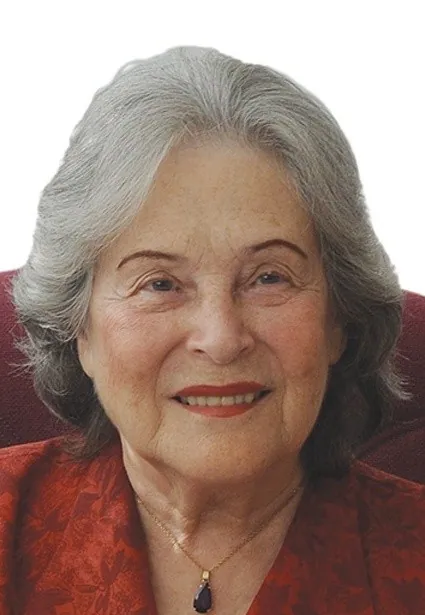
A daughter of the Yishuv
Ruth Rosenberg was born in Tel Aviv on 1 June 1933 [25]. Unlike the European women of Parts One and Two, she was born into the Jewish community of Mandatory Palestine, the Yishuv, and her family’s history is a history of Zionist settlement. Her father, Alexander Rosenberg, had been born in Brest-Litovsk in 1898; in 1904, when he was six, his whole family, great-grandparents included, emigrated and settled in Petah Tikvah, where they owned a small orchard [25]. Her maternal grandparents had come from Russia in the 1880s, in the first wave of Zionist immigration, met on the boat and settled first in Jaffa and then in Neveh Shalom, one of the first Jewish quarters outside it [25]. Her mother, Sarah Perlman, was a graduate of one of the first classes of the Lewinsky Teachers’ Seminary and worked as a teacher.
Alexander Rosenberg served in the Jewish Legion during the First World War, studied at the Technische Hochschule in Vienna and, in 1929, already the father of two children, took his family to Toulouse so that he could study electrical engineering, earning in three years both his engineering qualification and a master’s degree in mathematics. On his return he worked as an electrical engineer for the Palestine Electric Corporation until the 1960s [25]. Ruth Arnon, the Jewish Women’s Archive records, “ascribes her own urge to study to her father’s example” [25].
She was precocious. Taught to read and do arithmetic by her older siblings while still in kindergarten, she went straight into the second grade of elementary school and finished it at thirteen. Her mother persuaded the principal of the Herzliya Hebrew Gymnasium, the first Hebrew high school in the country, to admit her [25]. By fifteen she knew what she wanted: to work, as the archive puts it, “on the scientific basis of medicine” [25]. That was 1948, the year of Israel’s independence and of the war that accompanied it. She wanted to join her youth-movement friends in a Nahal unit, combining military service with agricultural settlement, but was too young. Instead she enrolled to study chemistry at the Hebrew University of Jerusalem, and a year later joined a special programme that allowed students to study during the academic year and do military training in the summers [25]. After her master’s degree in 1955 she served for two years as an officer in the Israel Defence Forces. During this period she married Uriel Arnon, a chemical engineering student at the Technion; they had two children [25].
Michael Sela and the first synthetic antigen
Learning that Ephraim Katchalski, later, as Ephraim Katzir, President of Israel, was looking for scientists for a new project at the Weizmann Institute, she went to Rehovot, and in 1957 became the first doctoral student of Michael Sela, a young chemist recently returned from the United States [25]. The partnership between Sela and Arnon lasted more than half a century. They published together, rose together through the Weizmann hierarchy, and became two of the most prominent figures in Israeli science; Sela was president of the Weizmann Institute from 1975 to 1985 and Arnon its vice-president from 1988 to 1993 [25].
Katchalski’s laboratory was a pioneer in the synthesis of polypeptides, artificial chains of amino acids. Proteins are made of amino acids too, but in specific, complex sequences; synthetic polypeptides were simpler, made by polymerising one or a few kinds of amino acid in random order. Sela and Arnon used such molecules to ask a fundamental question in immunology: what makes a molecule an antigen, capable of provoking the immune system to make antibodies against it? Was there something special about natural proteins, or could an entirely artificial molecule do the same?
They showed that an artificial molecule could. Sela, Arnon and their colleagues synthesised, for the first time, a substance that aroused the body’s immune system: in the Jewish Women’s Archive’s words, “the first synthetic antigen” [25]. By systematically varying the composition of their synthetic polymers, they were able to study how the size, shape, electrical charge and chemical makeup of a molecule determined whether and how strongly it provoked an immune response. This work helped to establish the chemical basis of immunogenicity and of the specificity of antibodies, and Arnon went on to apply it to the design of synthetic vaccines: molecules that mimicked the critical regions of a pathogen’s proteins.
Copolymer 1
In the late 1960s Sela, Arnon and their doctoral student Dvora Teitelbaum turned their synthetic polymers to a different problem. Multiple sclerosis is a disease in which the immune system attacks myelin, the fatty insulating sheath that surrounds nerve fibres in the brain and spinal cord. Damage to the myelin disrupts the transmission of nerve signals, producing symptoms that can include weakness, numbness, problems with vision and balance, and fatigue, which typically come and go in relapses before, in many patients, a gradual progression. The cause is still not fully understood.
In animals, a disease resembling multiple sclerosis, experimental allergic (or autoimmune) encephalomyelitis, can be induced by injecting a protein of myelin called myelin basic protein. The Weizmann team’s idea was to make synthetic polymers that resembled myelin basic protein, in the hope that they might induce the disease and so help study it. They synthesised several random copolymers of four amino acids, alanine, glutamic acid, lysine and tyrosine, chosen to mimic the composition of myelin basic protein.
The result was the opposite of what they expected. The copolymers did not cause the disease. Instead, one of them, which they called Copolymer 1, suppressed it: animals treated with Copolymer 1 were protected against the disease that myelin basic protein would otherwise have induced. Teitelbaum, Meshorer, Hirshfeld, Arnon and Sela reported the finding in 1971 in the European Journal of Immunology [73]. The archive summarises: “Together with another doctoral student, Devorah Teitelbaum, they discovered that a synthetic material produced in their laboratory could suppress a disease in animals that serves as a model for multiple sclerosis” [25].
How Copolymer 1 works is still not entirely clear. The leading explanation is that, because it resembles myelin basic protein, it acts as a decoy, binding to the molecules that present antigens to immune cells and diverting the immune response. It also appears to induce regulatory immune cells that calm inflammation in the brain, and to shift the balance of immune signalling away from aggression and toward tolerance. In other words, it re-educates the immune system rather than simply suppressing it.
From laboratory to medicine
The road from the 1971 paper to an approved drug was very long. “Almost thirty years of research and experimentation elapsed,” the Jewish Women’s Archive notes, “between this pioneering discovery and the approval for medical use of Copaxone” [25]. The team had to show that Copolymer 1 was effective in several animal species, including primates, that it was safe, and that it could be manufactured reproducibly, which was no small matter for a random polymer whose individual molecules differ from one another. Small clinical trials in the late 1970s and 1980s were promising. The Israeli pharmaceutical company Teva took on the development in the late 1980s, and larger trials followed. In December 1996 the United States Food and Drug Administration approved the drug [74], under the generic name glatiramer acetate and the trade name Copaxone, for the treatment of relapsing-remitting multiple sclerosis.
The framework describes Copaxone as “the first synthetic drug for multiple sclerosis,” and the Jewish Women’s Archive calls it “the first drug approved for treating multiple sclerosis” [25]. The first claim needs a small qualification and the second is not correct. The first disease-modifying therapy for multiple sclerosis to be approved by the United States Food and Drug Administration was interferon beta-1b, in 1993, followed by interferon beta-1a in May 1996; glatiramer acetate was approved in December 1996, as the third [74]. There is a sense, however, in which Copolymer 1 was a pioneer: according to a review marking twenty years of its use, it was the first disease-modifying treatment for multiple sclerosis to be successfully tested in human patients, in 1977 [74]. What is distinctive about it is that it was a wholly synthetic molecule, designed in a laboratory rather than derived from a natural signalling protein, and that it worked by a mechanism quite unlike that of the interferons. It is accurate to call Copaxone the first approved disease-modifying treatment for multiple sclerosis based on a synthetic polymer, and one of the founding drugs of modern multiple sclerosis therapy.
Its impact was large. Copaxone reduces the frequency of relapses in relapsing-remitting multiple sclerosis, and the archive describes it as having become “a major drug for the treatment of multiple sclerosis” that “allows sufferers to lead near-normal lives” [25]. For many years it was among the most widely prescribed treatments for the disease worldwide and, commercially, it became, in the archive’s words, “one of the great successes of the Israeli pharmaceutical industry” [25], transforming Teva into a global company. Its safety profile, without the flu-like side effects of the interferons, made it a preferred first treatment for many patients for two decades.
Vaccines and parasites
Arnon’s research was by no means confined to Copaxone. Building on her early work on synthetic antigens, she pursued synthetic vaccines for many years. Among her later projects was a synthetic influenza vaccine, administered nasally, designed to be effective against a broad range of flu strains over several years, rather than needing to be reformulated annually as conventional vaccines are [25]. The idea was to target parts of the virus that are conserved across strains rather than the variable surface proteins that change from season to season. She also directed the Weizmann Institute’s MacArthur Center for Parasitology from 1984 to 1994, working on vaccines against parasitic diseases [25]. She has published more than four hundred articles, chapters and books in immunology and biochemistry [25].
A scientific statesperson
Arnon’s career has combined research with institutional leadership to an unusual degree. At the Weizmann Institute she was head of the department of chemical immunology, dean of the faculty of biology, vice-president and vice-president for international scientific relations, and holder of the Paul Ehrlich Chair in Immunology [25]. Internationally, she was president of the European Federation of Immunological Societies from 1983 to 1986 and secretary-general of the International Union of Immunological Societies from 1989 to 1993; she was elected to the European Molecular Biology Organization and to the American Philosophical Society, and served on the European Union’s research advisory board [25].
In Israel, she chaired the science division of the Israel Academy of Sciences and Humanities from 1995 to 2001, was its vice-president from 2004 to 2010, and in 2010 became its president, the first woman to hold the post, serving until 2015 [25][75]. She has served as an adviser on science to the President of Israel [25]. In 2015 she and her husband gave a gift to establish the Ruth and Uriel Arnon Science Education Campus at the Weizmann Institute [25].
Her honours include the Robert Koch Prize in 1979, the Wolf Prize in Medicine in 1998, shared with Michael Sela, the Rothschild Prize in 1998, and the Israel Prize for medical research in 2001 [25][76]. She was made a Chevalier of the French Légion d’Honneur in 1994 [25].
Basic research and its rewards
The Copaxone story is often told as a story about the value of basic research, and with reason. Sela, Arnon and Teitelbaum were not trying to develop a drug for multiple sclerosis. They were trying to understand how the immune system distinguishes between molecules, and they made synthetic polymers as tools for that purpose [25]. The experiment that led to Copaxone was designed to produce a disease model, not to cure one [73]. Its unexpected result was noticed, taken seriously and followed up for a quarter of a century, by scientists working at an institution whose primary mission was fundamental research.
The story is also, less often noticed, a story about the economics of Israeli science. In the 1960s and 1970s, Israel’s research institutions were small and poor by international standards, and the country’s pharmaceutical industry was modest. The development of Copaxone required clinical trials, manufacturing processes and regulatory approval on a scale that the Weizmann Institute could not provide alone, and the decision of Teva to take on the drug in the late 1980s was a gamble. Its success transformed Teva into one of the world’s largest pharmaceutical companies and provided a large royalty income to the Weizmann Institute, which in turn supported further research. Copaxone thus became a model for the commercialisation of academic research in Israel, a path that many later Israeli discoveries have followed.
Arnon’s own career shows how much scientific leadership in a small country depends on a few individuals who combine research with institution-building. Her roles at the Weizmann Institute, in the Israel Academy and in international scientific bodies [25] made her one of the principal representatives of Israeli science abroad for several decades. That she was the first woman to lead the Israel Academy, in 2010 [76], shows that, even in a country where women have served in the armed forces and in high political office, the highest positions in science remained a male preserve until recently.
Legacy
Arnon’s story differs from most of those in this essay in its setting. She was not an immigrant or a refugee; she was born into the Jewish community of Palestine and came of age with the state of Israel. She did not face antisemitism in the way that Meitner, Noether or Levi-Montalcini did, and the obstacles she encountered were chiefly those of building a scientific career in a young, small and embattled country, and of being a woman in a field and an academy dominated by men. Her election as the first woman president of the Israel Academy, more than half a century after its foundation, is a measure of how slowly that changed.
But there are continuities too. Her father’s restless pursuit of education, in Vienna and Toulouse, echoes the hunger for learning that runs through so many of the families in this essay, and the institution at which she made her career, the Weizmann Institute, was founded by a chemist, Chaim Weizmann, and staffed in its early decades in large part by scientists trained in Central Europe. Her teacher, Sela, had been born in Poland. In this sense, the science of Rehovot was an heir to the science that the Nazis had driven out of Europe.
Scientifically, her legacy is twofold. In basic immunology, the work on synthetic antigens helped to establish how the chemistry of a molecule determines the immune response to it. In medicine, Copaxone has helped hundreds of thousands of people with multiple sclerosis, and its story is a lesson in the value of curiosity-driven research and of persistence: a molecule made to cause a disease turned out to prevent it, and a team of academic scientists, working at a basic research institute, spent nearly three decades turning that surprise into a medicine.
Chapter 13. Shafi Goldwasser (born 1959), The Mathematics of Secrets
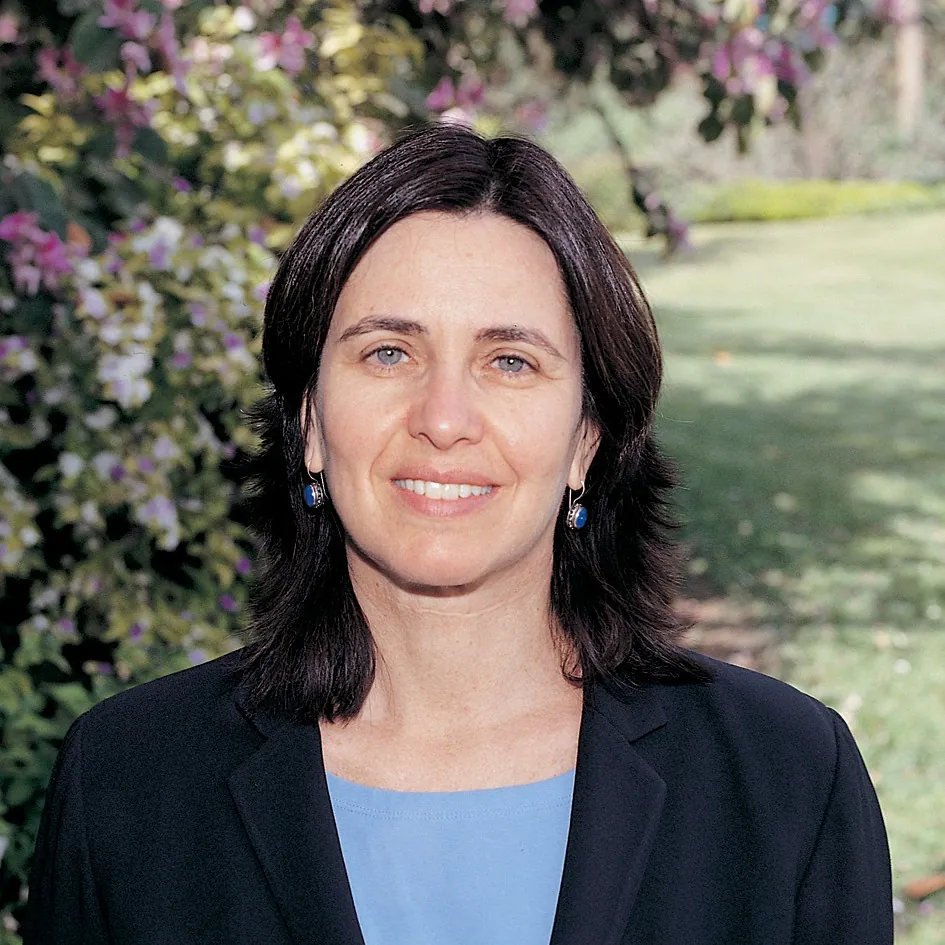
New York and Tel Aviv
Shafrira Goldwasser was born in New York City in 1959 [26] and was raised in Israel before returning to the United States for university [77]. She studied mathematics and science at Carnegie Mellon University in Pittsburgh, graduating in 1979, and then went to the University of California, Berkeley, for graduate study in computer science, receiving a master’s degree in 1981 and her doctorate in 1984 [26]. Her doctoral adviser was Manuel Blum, one of the founders of computational complexity theory and himself a Turing Award laureate, and her thesis was entitled “Probabilistic Encryption: Theory and Applications” [78].
Goldwasser belongs to a different era from every other woman in this essay. She was born after the Holocaust and after the founding of Israel, into a world in which the formal barriers to Jewish and female participation in science had largely fallen. Her field, theoretical computer science, barely existed when Yalow and Elion were beginning their careers. Yet her inclusion is apt, for two reasons. Her work, like Noether’s, is mathematics of the most abstract kind that turned out to have enormous practical consequences. And she has spent her career in a discipline in which women remain a small minority.
What cryptography was
Cryptography is the art of secret writing, and for most of its history it was exactly that: an art. Codes and ciphers were designed by ingenious people, broken by other ingenious people, and replaced. There was no general theory of what it meant for a cipher to be secure, beyond the empirical observation that nobody had yet broken it. The Second World War, with the breaking of the German Enigma machine at Bletchley Park, showed how dangerous that could be.
In the 1970s the field was transformed by the invention of public-key cryptography by Whitfield Diffie, Martin Hellman, Ralph Merkle, Ron Rivest, Adi Shamir and Leonard Adleman, among others. In a public-key system, each user has two keys: a public key, which anyone can use to encrypt a message to her, and a private key, which only she knows and which is needed to decrypt it. This made it possible for strangers to communicate securely without first meeting to agree on a secret key, the foundation of all secure communication on the internet. But the early public-key systems still rested on informal arguments about security. The RSA system, for instance, was believed to be secure because nobody knew an efficient method of factoring large numbers. What, exactly, did it mean to say that an encrypted message revealed nothing to an eavesdropper?
Probabilistic encryption
This was the question that Goldwasser and her fellow Berkeley graduate student Silvio Micali set out to answer. According to MIT’s account of their work, their partnership began when they were students at Berkeley and asked how to play a game of poker over the telephone so that neither player could cheat [79]. Pursuing the problem, they realised that the existing notions of security were inadequate. In their 1982 paper “Probabilistic Encryption,” published in full in 1984, they gave the first rigorous definitions of what it means for an encryption scheme to be secure [79][80].
Their definition, now known as semantic security, is subtle but intuitive. An encryption scheme is secure, they said, if an eavesdropper who sees an encrypted message can learn nothing about the original message that she could not have guessed without seeing it, provided that she has only a reasonable amount of computing power. They showed that this is equivalent to a second, more technical definition, indistinguishability: given the encryptions of two different messages, an eavesdropper cannot tell which is which with probability meaningfully better than chance. These definitions, as MIT’s announcement put it, “remain the gold standard for security to this day” [79].
They also made a striking observation. Any encryption scheme that always encrypts the same message in the same way cannot be secure in this sense, because an eavesdropper can simply encrypt candidate messages herself and compare the results. If she suspects that a message is either “attack” or “retreat,” she can encrypt both with the public key and see which matches. Secure encryption must therefore be randomised: each time a message is encrypted, random choices must be made, so that the same message produces a different ciphertext each time. Goldwasser and Micali “proved that encryption schemes must be randomized,” as MIT summarised [79], and they constructed such a scheme, based on the difficulty of a problem in number theory, the quadratic residuosity problem. Every modern encryption standard used on the internet today incorporates randomness in this way.
The deeper innovation was methodological. Goldwasser and Micali showed how to prove that a cryptographic scheme was secure, in a precise sense, by showing that anyone who could break it could also solve some mathematical problem believed to be hard. Such “reductions” turned cryptography from an art into a science. Security was no longer a matter of hoping that nobody had found an attack; it was a mathematical theorem, conditional only on the hardness of a well-defined problem. This approach, now called provable security, underpins the design of essentially all modern cryptographic systems.
Zero-knowledge proofs
Goldwasser’s second great contribution, with Micali and the Canadian computer scientist Charles Rackoff, was the concept of zero-knowledge proof, introduced in a paper presented in 1985 and published in final form in 1989 [81].
A proof, in ordinary mathematics, is a written argument that convinces the reader that a statement is true. Goldwasser, Micali and Rackoff considered a different kind of proof: an interactive one, in which a prover and a verifier exchange messages, the verifier asking questions and the prover answering, until the verifier is convinced. They allowed the verifier to use randomness and to accept a tiny probability of being fooled. And they asked a remarkable question: can a prover convince a verifier that a statement is true without revealing anything at all beyond the fact that it is true?
The answer, astonishingly, is yes. A standard illustration, not from their paper, imagines a circular cave with a single entrance and a magic door at the back, connecting the two branches of the passage, that opens only for someone who knows a secret word. Peggy, the prover, wants to convince Victor, the verifier, that she knows the word, without telling him what it is. Peggy enters the cave and goes down one branch, chosen at random, while Victor waits outside. Victor then walks to the fork and shouts which branch he wants her to come out of. If Peggy knows the word, she can always comply, passing through the door if necessary. If she does not, she can comply only if she happened to choose the right branch at the start, which she will do half the time. After twenty rounds, the chance that an impostor has succeeded every time is less than one in a million. Yet Victor has learned nothing about the secret word itself; indeed, he could not even prove to a third party that Peggy knows it, because a recording of the exchange could have been faked by prior arrangement.
Goldwasser, Micali and Rackoff gave the concept a precise mathematical definition, in terms of the “knowledge complexity” of an interactive proof, the amount of knowledge it conveys, and showed that zero-knowledge proofs exist for non-trivial problems [81]. Subsequent work by others showed that, under standard assumptions, every statement that has an ordinary efficiently checkable proof also has a zero-knowledge proof. The idea has had extraordinary consequences. Zero-knowledge proofs are used in authentication systems, in electronic voting protocols, and, in recent years, in blockchain systems and privacy-preserving technologies that allow, for example, a person to prove that she is over eighteen without revealing her date of birth.
Interactive proofs and complexity
The paper on zero-knowledge also introduced the general notion of interactive proof systems, which became a central subject in computational complexity theory, the study of how much computational effort different problems require. Goldwasser shared the first Gödel Prize, in 1993, with László Babai, Silvio Micali, Shlomo Moran and Charles Rackoff, for the papers that introduced interactive proofs [82]. Interactive proofs led, through a chain of developments in the late 1980s and early 1990s, to one of the deepest results in complexity theory, the PCP theorem, which states, informally, that any mathematical proof can be rewritten in a form that can be checked, with high confidence, by reading only a few randomly chosen bits of it. Goldwasser contributed to this line of work, including the discovery of connections between such proofs and the difficulty of finding approximate solutions to hard optimisation problems, and in 2001 she shared a second Gödel Prize, with Sanjeev Arora, Uriel Feige, Carsten Lund, László Lovász, Rajeev Motwani, Shmuel Safra, Madhu Sudan and Mario Szegedy, for this work [83]. She is one of a very small number of people to have won the Gödel Prize twice.
Her other contributions include the Goldwasser–Micali cryptosystem [80], foundational work with Oded Goldreich and Micali on pseudorandom functions, which are among the basic building blocks of cryptography, and, more recently, research on delegating computations to untrusted servers and on cryptography that remains secure even when secret keys partly leak [26].
MIT, Weizmann and Berkeley
Goldwasser joined the faculty of MIT in 1983, where she became the RSA Professor of Electrical Engineering and Computer Science [26]. In 1993 she also became a professor of computer science and applied mathematics at the Weizmann Institute of Science, dividing her time between Cambridge, Massachusetts, and Rehovot [26]. From 2018 to 2024 she was director of the Simons Institute for the Theory of Computing at Berkeley, one of the world’s leading centres for theoretical computer science [84]. She has supervised a remarkable group of doctoral students, many of them now leading figures in cryptography, including Johan Håstad, Salil Vadhan, Amit Sahai, Tal Malkin, Yael Tauman Kalai and Vinod Vaikuntanathan [85]. She is a co-founder and chief scientist of Duality Technologies, a company that develops privacy-preserving computation based on encryption [77][86].
The Turing Award
In March 2013 the Association for Computing Machinery announced that Goldwasser and Micali had received the 2012 A. M. Turing Award, often described as the Nobel Prize of computing [79][26]. MIT’s headline summarised the citation’s spirit: the two were honoured “for revolutionizing the science of cryptography” [79]. The award recognised their work on the mathematical foundations of cryptography, beginning with probabilistic encryption, and on interactive and zero-knowledge proofs.
Goldwasser was the third woman to receive the Turing Award, after Frances Allen in 2006 and Barbara Liskov in 2008. She has also received the ACM Grace Murray Hopper Award (1996), the RSA Award for Excellence in Mathematics (1998), the IEEE Emanuel R. Piore Award (2011) [26], the BBVA Foundation Frontiers of Knowledge Award (2018) [87] and the L’Oréal-UNESCO Award for Women in Science (2021) [88], and she was elected to the United States National Academy of Sciences in 2004 [26].
Women in computing
Goldwasser has spoken frequently about the under-representation of women in computer science, a field whose share of women in the United States actually fell from the mid-1980s onward, after an early period in which women were prominent in programming. Her own example, as one of the founders of modern cryptography and one of very few women among the field’s leading theorists, is itself a contribution. In 2016 she received a Suffrage Science award, a British scheme in which women scientists pass on jewellery-like emblems to others whose work they admire [84].
Definitions as discoveries
There is a sense in which Goldwasser’s most important discoveries were definitions. To a non-mathematician, this may seem strange: surely a definition is a matter of convention, not discovery? But in mathematics and theoretical computer science, finding the right definition of a concept can be the hardest and most consequential step. Before Goldwasser and Micali, people had a vague intuitive idea of what it meant for a cipher to be secure, but no precise notion that could be used to prove anything. Their definitions of semantic security and indistinguishability [80] made it possible, for the first time, to state and prove theorems about the security of encryption schemes. Similarly, before Goldwasser, Micali and Rackoff, the idea that one could prove something without revealing anything else was a paradox; their definition of zero knowledge [81] turned it into a mathematical object that could be studied, constructed and applied.
This is the same kind of achievement as Noether’s. Her ascending chain condition was, in a sense, just a definition: a property that some rings have and others do not. Its power lay in what followed from it, and in the way it reorganised a whole field around a single, clarifying idea. Goldwasser’s definitions did the same for cryptography. In both cases, the abstraction was not an escape from the real world but the key to understanding it.
The comparison also highlights a difference. Noether’s abstractions found their applications slowly, through the long development of twentieth-century mathematics and physics. Goldwasser’s found theirs within a few decades, because the world was rapidly being rebuilt around digital communication, in which the security of information became a matter of economic and political importance. The theoretical computer scientist of the 1980s was, in this sense, working on problems whose practical importance was about to explode.
Legacy
It is difficult to overstate the reach of Goldwasser’s work. Every time a person sends a secure message, makes an online payment or logs into a website using an encrypted connection, the security of that interaction rests, ultimately, on definitions and proof techniques that she and Micali introduced. Zero-knowledge proofs, once a theoretical curiosity, have become a practical technology. And the interactive proof systems she helped introduce have become one of the central concepts of computational complexity, connecting cryptography to the deepest questions about the nature of computation and proof.
Her career also closes this essay’s chronological arc. Noether, at the beginning of the twentieth century, transformed mathematics by insisting on abstraction and precise definition, and was rewarded with dismissal and exile. Goldwasser, at the end of the century, transformed a practical art by bringing to it the same insistence on abstraction and precise definition, and was rewarded with the highest honours of her field, held professorships at MIT and the Weizmann Institute simultaneously, and moved freely between the United States and Israel. The contrast is a measure of what has changed. That she remains, nonetheless, one of only a handful of women to have won the Turing Award is a measure of what has not.
Conclusion, Patterns in Thirteen Lives
Counting
The framework for this essay ends with a claim about numbers: that Jewish women have been disproportionately represented among scientific Nobel laureates relative to their share of the population. It is worth returning to that claim now, at the end, with the thirteen lives in view.
The bare arithmetic was set out in the introduction. Of the twenty-six women who had won Nobel Prizes in physics, chemistry or physiology or medicine by the end of the 2026 announcements, at least five, Gerty Cori, Rosalyn Yalow, Rita Levi-Montalcini, Gertrude Elion and Ada Yonath, were of Jewish birth [27]. That is roughly one in five. Jews make up about 0.2 per cent of the world’s population [28]. Even allowing for the fact that science Nobel Prizes have gone overwhelmingly to people from Europe, North America and Israel, where Jews are more numerous than the global average, the over-representation is very large. If one adds the women in this essay who did not win Nobel Prizes but whose work is of comparable importance, Meitner, Noether and Franklin above all, and those who won the highest honours in fields the Nobel Prizes do not cover, such as Goldwasser’s Turing Award and Dresselhaus’s Kavli Prize, the pattern is the same.
It is important to be precise about what such figures do and do not show. They do not show anything about innate ability, and nothing in the lives described here suggests that they should be read that way. What they do show is that a particular set of historical circumstances, concentrated in a particular community over roughly a century, produced an extraordinary number of women who were able to do science at the highest level. The interesting question is not whether this happened but why, and the lives in this essay suggest a number of answers.
Families that educated their daughters
The first and most obvious pattern is the importance of family. Almost every woman in this essay came from a family that valued education, and in most cases from a family that was prepared, against the conventions of its time, to educate a daughter seriously.
Some of these families were affluent and cultivated. Meitner’s father, a Viennese lawyer, insisted that his daughters receive the same education as his sons, and three of her sisters earned doctorates [10]. Noether’s father was a mathematics professor. Franklin’s family were wealthy bankers with a tradition of public service and serious learning [8]. Cori’s family managed sugar refineries and included a professor of paediatrics who encouraged her to study medicine [6]. Levi-Montalcini’s father was an engineer and mathematician, her mother a painter [4].
Others were poor. Yalow’s parents had not finished high school, but “there was never a doubt that their two children would make it through college” [19]. Elion’s father, a Lithuanian immigrant from a rabbinical family, was ruined by the crash of 1929 [17][38]. Dresselhaus’s parents were Polish Jewish immigrants struggling through the Depression [18]. Yonath’s family in Jerusalem shared a four-room apartment with two other families, and her father, a rabbi, died when she was eleven [24][14]. Ayrton’s father, a watchmaker, died when she was seven, leaving her mother destitute [15].
What these families had in common was not wealth but a culture in which learning was prized. It is often suggested that the traditional Jewish emphasis on study, which for centuries had been directed at religious texts and had been the province of men, was transferred in the era of emancipation to secular learning, and in many families to daughters as well as sons. The lives in this essay are consistent with that idea, though they do not prove it. They also show its limits. Levi-Montalcini’s loving father forbade his daughters to attend university [4]; Franklin’s father was reluctant to support a scientific career; Yalow’s family thought she should become a schoolteacher [19]. The culture of learning was real, but it was not automatically extended to women. In almost every case, the daughter had to insist.
The gatekeepers who held the door
The second pattern is the importance of individual gatekeepers, people in positions of authority who were willing to open a door that the institution would have kept shut.
Hilbert and Klein fought for four years to get Noether her habilitation, and Hilbert let her teach under his name in the meantime [3]. Planck made Meitner his assistant when Prussian universities did not admit women as students [1]. Carl Cori refused more than one university post that would have excluded his wife [6]. George Hitchings let Elion learn “as rapidly as I could” and take on “more and more responsibility” [17]. Bernard Roswit gave Yalow laboratory space in a veterans’ hospital [7]. Viktor Hamburger, reading Levi-Montalcini’s wartime papers that contradicted his own conclusions, invited her to St Louis [42]. Barbara Bodichon paid for Ayrton’s education and her first patent [15]. Michael Sela took Ruth Arnon as his first doctoral student [25]. Heinz-Günter Wittmann supported Yonath’s ribosome project, “academically and financially,” when most of her peers thought it absurd [24].
Some of these gatekeepers were themselves women. Yalow, as a young instructor at Hunter, turned Mildred Dresselhaus toward physics [18]. Anna Pell Wheeler welcomed Noether at Bryn Mawr [3]. Bodichon and George Eliot sponsored Ayrton. In Rubin’s case, the decisive encouragement came from her father, who took her to meetings of amateur astronomers and helped her build her first telescope [21].
The point is not that these women owed their success to their patrons. They did not. But the institutions of science, in the period covered by this essay, were structured so that a woman’s career depended to an unusual degree on the willingness of particular men to break or bend the rules. That dependence was itself a form of discrimination. It meant that women’s careers were fragile, contingent on personal goodwill, in a way that men’s were not. When the goodwill was withdrawn, or when the patron died, the career could collapse.
The institutions that were open
The third pattern is the importance of institutions that were, for whatever reason, more open than the norm. In the United States, the most striking of these was Hunter College, the free public college for women in New York City. Yalow, Elion and Dresselhaus were all Hunter graduates, and two of them stated explicitly that without a free college they might never have had a higher education [17][19]. The City College of New York, the male counterpart, produced an equally remarkable list of Jewish scientists. These institutions were meritocratic in admission and free in tuition, and they took the children of immigrant families, Jewish and otherwise, and gave them a first-class education in science.
Women’s colleges played a similar role elsewhere: Girton for Ayrton, Newnham for Franklin, Vassar for Rubin, Bryn Mawr for Noether in exile. So, in a different way, did institutions outside the university system: the Veterans Administration hospital where Yalow did her prize-winning work, the industrial laboratory at Burroughs Wellcome where Elion made her drugs, the Carnegie Institution’s Department of Terrestrial Magnetism where Rubin measured her rotation curves, the Kaiser Wilhelm Institute where Meitner led her own department. These were places where talent could be recognised without passing through the narrowest gates of the academic hierarchy.
The Weizmann Institute is a special case. Founded in the 1930s and expanded after 1948, it became the institutional home of Yonath and Arnon and one of the two academic homes of Goldwasser. It was built in large part by scientists from Central Europe and their students, and it represents, among other things, the reconstitution in a new setting of the scientific culture that the Nazis drove out of Germany and Austria.
The dual barrier
The fourth pattern is the one named in the framework: the dual barrier of gender and antisemitism. It is worth distinguishing the two, because they operated differently.
The barrier of gender was universal. Every woman in this essay encountered it, in some form. It took the form of formal exclusion: from secondary schools that prepared boys for university (Meitner, Cori, Noether), from university degrees (Ayrton), from graduate programmes (Rubin at Princeton), from habilitation (Noether), from the Fellowship of the Royal Society (Ayrton), from laboratories (Meitner in Fischer’s institute). It took the form of informal exclusion: graduate schools that would not fund women (Yalow, Elion), employers who would not hire them, anti-nepotism rules that kept wives in nominal posts (Cori, and Gertrude Goldhaber, whom Yalow mentions [19]). And it took the form of condescension and misattribution: the physics chairman who said that an A-minus confirmed that women did not do well at laboratory work [19]; the press that called Meitner’s “cosmic physics” “cosmetic physics” [10]; the portrayal of Franklin in The Double Helix [57]; the assumption, which Ayrton fought all her life, that a married woman’s work was really her husband’s.
The barrier of antisemitism was more variable. For the women who lived in Central Europe between the wars, it was decisive, and in the end murderous. Cori emigrated in 1922 partly because of it [6]. Noether was dismissed in 1933 and died in exile [3]. Meitner was forced to flee in 1938, losing her laboratory at the moment of her greatest discovery [1]. Levi-Montalcini was barred from academic life by the racial laws of 1938 and went into hiding in 1943 [4]. For these women, being Jewish was not a matter of belief or practice; Meitner and Cori had both converted to Christianity, and Noether was secular. It was a matter of ancestry, defined and enforced by the state. In the United States, antisemitism was less violent but still real: Yalow was refused graduate places partly because she was Jewish [7], and Jewish quotas at elite universities were widespread in the interwar years. In Britain, the barriers that Ayrton and Franklin faced were overwhelmingly those of gender. And in Israel, for Yonath and Arnon, antisemitism in the European sense did not apply at all.
Where the two barriers coincided, their effects compounded. It was harder for a Jewish woman than for a Jewish man to find a post in exile, because the émigré networks that placed displaced scholars were themselves male networks, and because the universities that took in refugees were still reluctant to appoint women. Meitner ended her career in a marginal position in Stockholm; Noether, in a temporary post at a women’s college. Many of their male counterparts rebuilt distinguished careers in leading universities. The 1944 chemistry prize is the clearest example of how the two barriers could interact: Meitner’s exile, a consequence of antisemitism, separated her from the experiment; her marginal position in Sweden, a consequence partly of gender, made her contribution easier to overlook; and the result was a prize that went to Hahn alone [52].
Recognition and its failures
The fifth pattern concerns recognition. The Nobel Prizes have been, in the twentieth century, the most visible form of scientific recognition, and the stories in this essay show both their value and their limitations.
On the one hand, the prizes did, eventually, recognise the work of Cori, Yalow, Levi-Montalcini, Elion and Yonath, and in doing so gave them a public platform that several of them used to argue for the rights of women in science. Yalow’s banquet speech of 1977, with its insistence that “the world cannot afford the loss of the talents of half its people,” is a case in point [37].
On the other hand, the prizes failed Meitner, despite forty-nine nominations [12], and their rules made it impossible to recognise Franklin, who died four years before the DNA prize [61]. Rubin, whose discovery of the dominance of dark matter is surely of Nobel calibre, died without the prize. Noether’s field is not covered by the prizes at all. The limit of three laureates per prize, the ban on posthumous awards and the tendency of committees to see discoveries through the lens of a single discipline all worked, in these cases, against women whose contributions were collaborative, interdisciplinary or cut short.
There is also a pattern in the timing of recognition. Cori was made a full professor only months before her Nobel Prize [29]. Levi-Montalcini’s discovery of NGF was made in the early 1950s; her prize came in 1986. Yonath’s first ribosome crystals were grown around 1980; her prize came in 2009. Rubin’s Andromeda paper appeared in 1970 [63]; she was elected to the National Academy only in 1981, as the second woman astronomer so honoured [21]. Women’s work, in other words, was often recognised late, sometimes very late, and sometimes not at all.
The limits of the pattern
Before drawing conclusions, it is worth registering the limits of the patterns just described. Thirteen lives are a small sample, chosen precisely because they were exceptional, and generalisations from them must be cautious. It would be easy, for instance, to tell a story in which Jewish families uniformly prized their daughters’ education, institutions such as Hunter College uniformly opened doors, and talent uniformly triumphed over adversity. The reality was messier. Many Jewish families did not educate their daughters; many talented women from the same backgrounds never became scientists; and the women in this essay succeeded in part because of luck: the right teacher, the war that emptied a graduate school of men, the colleague who organised an escape across a border.
It is also important not to collapse the different forms of Jewish identity represented here into a single category. For Yalow, Jewishness was a religious practice; for Rubin, “a kind of moral code and a kind of history” [21]; for Franklin, a family and community to which she belonged without religious belief; for Meitner and Cori, an ancestry they had formally left behind but that others refused to let them forget; for Yonath and Arnon, the national identity of the state in which they lived. To speak of “Jewish women scientists” as a group is useful for some purposes, particularly in understanding how antisemitism shaped their careers, but it should not obscure these differences.
Nor should the emphasis on barriers obscure the agency of the women themselves. They were not simply acted upon. They chose their problems, often against advice; they chose to persist when others would have given up; they chose, in several cases, to fight publicly for the rights of other women. The barriers explain why their paths were hard. They do not explain why they succeeded. For that, one must look at the work itself.
Foundational work
The final pattern is the one on which the framework rightly ends: that the work these women did remains foundational. This is not a sentimental claim. It is a statement about the structure of modern science.
Every student of biochemistry learns the Cori cycle. Every student of theoretical physics learns Noether’s theorem, and every student of algebra works with Noetherian rings. Radioimmunoassay transformed endocrinology and gave rise to the immunoassays used in hospitals everywhere. The drugs that Elion made, and the method by which she made them, are part of the foundation of modern pharmacology. Nerve growth factor was the first of the growth factors, which are now central to developmental biology, neuroscience and cancer research. The ribosome structures underlie the modern understanding of protein synthesis and of how antibiotics work. Meitner and Frisch’s explanation of fission opened the nuclear age. Franklin’s photographs and measurements were indispensable to the discovery of the double helix, and her virus work founded a field. Rubin’s rotation curves established that most of the matter in the universe is invisible. Dresselhaus’s work on carbon underlies the physics of graphene and nanotubes. Ayrton’s arc studies were the definitive work of their time, and her sand-ripple experiments anticipated decades of later research. Copaxone has treated hundreds of thousands of people with multiple sclerosis. Goldwasser’s definitions and proofs underpin the security of the digital world.
These are not marginal contributions that need to be inflated to make a point about representation. They are among the central achievements of modern science, and they would be so regardless of who had made them.
What the lives say
What, in the end, do these thirteen lives say? Three things seem worth stating.
The first is that talent is far more widely distributed than opportunity. Every one of these women had to overcome obstacles that a man of comparable ability would not have faced, and most of them had to overcome obstacles that a non-Jewish woman would not have faced either. That they succeeded is a testament to their exceptional ability and determination. But for every Noether or Meitner who broke through, there were surely many others, equally gifted, who did not: who were never educated, never admitted, never hired, or never survived. The Holocaust alone destroyed, among its millions of victims, an unknowable number of potential scientists, men and women. The over-representation of Jewish women among great scientists is a measure not only of what a community achieved under adverse conditions, but also of what was lost.
The second is that the barriers were not natural features of the world but human choices, embodied in laws, rules and habits, and that they could be, and were, changed. Cambridge eventually gave degrees to women; the Royal Society eventually elected them; Princeton eventually admitted them to graduate astronomy; the Nazi state was destroyed. Each of these changes was resisted, and each was the result of argument and struggle, in which several of the women in this essay took part. Ayrton fought for the vote; Yalow, Rubin and Dresselhaus spent decades opening doors for younger women; Levi-Montalcini campaigned for the education of girls.
The third is that excellence in science is, among other things, a moral achievement. The virtues that these women displayed in their work, intellectual honesty, patience with difficult data, the willingness to follow evidence against orthodoxy, the courage to pursue a problem that others thought hopeless, are the same virtues that enabled them to survive and overcome discrimination. Gerty Cori named honesty, courage and kindness as the virtues she most admired [6]. Meitner refused to work on the bomb and refused, after the war, to pretend that nothing had happened. Berson and Yalow chose not to patent radioimmunoassay, so that it would be freely available; Elion made a point of ensuring that her junior colleagues received credit for their work [38]. Rubin said that she tried to do her science “in a moral way” [21]. The inscription on Meitner’s grave, “a physicist who never lost her humanity” [1], could stand for many of them.
The history of Jewish women in science is, in this sense, not a special or separate history. It is a central part of the history of modern science, and it illuminates, with unusual clarity, both how science is done and how it is obstructed. The women in this essay worked against the grain of their institutions and, often, of their societies. What they built has lasted. What was built to keep them out has not.
References
- Sime, Ruth Lewin. Lise Meitner: A Life in Physics. Berkeley: University of California Press, 1996. *
- Meitner, Lise, and Otto R. Frisch. “Disintegration of uranium by neutrons: a new type of nuclear reaction.” Nature 143 (1939): 239 - 240. *
- O’Connor, J. J., and E. F. Robertson. “Emmy Amalie Noether.” MacTutor History of Mathematics Archive, University of St Andrews. *
- Nobel Prize Outreach. “Rita Levi-Montalcini - Biographical.” NobelPrize.org. *
- Nobel Prize Outreach. “The Nobel Prize in Physiology or Medicine 1986.” NobelPrize.org. *
- Jewish Women’s Archive. “Gerty Theresa Radnitz Cori.” Shalvi/Hyman Encyclopedia of Jewish Women. *
- Jewish Women’s Archive. “Rosalyn Yalow.” Shalvi/Hyman Encyclopedia of Jewish Women. *
- Jewish Women’s Archive. “Rosalind Franklin.” Shalvi/Hyman Encyclopedia of Jewish Women. *
- Maddox, Brenda. Rosalind Franklin: The Dark Lady of DNA. London: HarperCollins, 2002. *
- Jewish Women’s Archive. “Lise Meitner.” Shalvi/Hyman Encyclopedia of Jewish Women. *
- United States Holocaust Memorial Museum. “Italy.” Holocaust Encyclopedia. *
- Nobel Prize Outreach. “Nomination Archive: Lise Meitner.” NobelPrize.org. *
- Weizmann Institute of Science. “Prof. Ada Yonath, Nobel Laureate and a Model of Scientific Perseverance, Has Passed Away.” 31 August 2026. *
- Nobel Prize Outreach. “Ada E. Yonath - Facts.” NobelPrize.org. *
- O’Connor, J. J., and E. F. Robertson. “Hertha Marks Ayrton.” MacTutor History of Mathematics Archive, University of St Andrews. *
- Hirsch, Pam. “Hertha Ayrton.” Shalvi/Hyman Encyclopedia of Jewish Women, Jewish Women’s Archive. *
- Nobel Prize Outreach. “Gertrude B. Elion - Biographical.” NobelPrize.org. *
- MIT News Office. “Institute Professor Emerita Mildred Dresselhaus, a pioneer in the electronic properties of materials, dies at 86.” 21 February 2017. *
- Nobel Prize Outreach. “Rosalyn Yalow - Biographical.” NobelPrize.org. *
- Rossiter, Margaret W. Women Scientists in America: Struggles and Strategies to 1940. Baltimore: Johns Hopkins University Press, 1982. *
- Larsen, Kristine. “Vera Cooper Rubin.” Shalvi/Hyman Encyclopedia of Jewish Women, Jewish Women’s Archive. *
- Overbye, Dennis. “Vera Rubin, 88, Dies; Opened Doors in Astronomy, and for Women.” The New York Times, 27 December 2016. *
- Jewish Women’s Archive. “Emmy Noether.” Shalvi/Hyman Encyclopedia of Jewish Women. *
- Yonath, Ada E. “Biographical.” NobelPrize.org. *
- Jewish Women’s Archive. “Ruth Arnon.” Shalvi/Hyman Encyclopedia of Jewish Women. *
- Association for Computing Machinery. “Shafi Goldwasser.” A. M. Turing Award laureates. *
- Nobel Prize Outreach. “Nobel Prize-awarded women.” NobelPrize.org. *
- Pew Research Center. “How the Global Religious Landscape Changed From 2010 to 2020.” 9 June 2025. *
- Nobel Prize Outreach. “Gerty Cori - Biographical.” From Les Prix Nobel / Nobel Lectures, Physiology or Medicine 1942 - 1962. NobelPrize.org. *
- Cori, Carl F., and Gerty T. Cori. “Glycogen formation in the liver from d- and l-lactic acid.” Journal of Biological Chemistry 81 (1929): 389 - 403. *
- Nobel Prize Outreach. “The Nobel Prize in Physiology or Medicine 1947.” NobelPrize.org. *
- American Chemical Society. “Carl and Gerty Cori and Carbohydrate Metabolism.” National Historic Chemical Landmark, 2004. *
- Yalow, Rosalyn S. “Radioimmunoassay: a probe for the fine structure of biologic systems.” Nobel Lecture, 8 December 1977. Published in Science 200 (1978): 1236 - 1245. *
- Berson, S. A., R. S. Yalow, A. Bauman, M. A. Rothschild, and K. Newerly. “Insulin-I131 metabolism in human subjects: demonstration of insulin binding globulin in the circulation of insulin treated subjects.” Journal of Clinical Investigation 35 (1956): 170 - 190. *
- Yalow, Rosalyn S., and Solomon A. Berson. “Immunoassay of endogenous plasma insulin in man.” Journal of Clinical Investigation 39 (1960): 1157 - 1175. *
- Nobel Prize Outreach. “The Nobel Prize in Physiology or Medicine 1977.” NobelPrize.org. *
- Yalow, Rosalyn. “Banquet speech,” Nobel Banquet, Stockholm, 10 December 1977. NobelPrize.org. *
- Jewish Women’s Archive. “Gertrude Belle Elion.” Shalvi/Hyman Encyclopedia of Jewish Women. *
- Nobel Prize Outreach. “The Nobel Prize in Physiology or Medicine 1988.” NobelPrize.org. *
- Elion, Gertrude B. “The purine path to chemotherapy.” Nobel Lecture, 8 December 1988. Published in Science 244 (1989): 41 - 47. *
- Levi-Montalcini, Rita. In Praise of Imperfection: My Life and Work. Translated by Luigi Attardi. New York: Basic Books, 1988. *
- Jewish Women’s Archive. “Rita Levi-Montalcini.” Shalvi/Hyman Encyclopedia of Jewish Women. *
- Levi-Montalcini, Rita. “Banquet speech,” Nobel Banquet, Stockholm, 10 December 1986. NobelPrize.org. *
- Cohen, Stanley, Rita Levi-Montalcini, and Viktor Hamburger. “A nerve growth-stimulating factor isolated from sarcomas 37 and 180.” Proceedings of the National Academy of Sciences 40 (1954): 1014 - 1018. *
- “Ada Yonath obituary: Crystallographer who overcame ‘impossible’ challenge of mapping the ribosome.” Nature, September 2026. *
- Weizmann Institute of Science, Office of the President. “In Memoriam: Institute Professor Ada Yonath (1939 - 2026).” 6 September 2026. *
- Schluenzen, Frank, et al. “Structure of functionally activated small ribosomal subunit at 3.3 Å resolution.” Cell 102 (2000): 615 - 623. *
- Nobel Prize Outreach. “The Nobel Prize in Chemistry 2009.” NobelPrize.org. *
- Kandell, Jonathan. “Ada Yonath, Chemist and First Israeli Woman to Receive a Nobel, Dies at 87.” The New York Times, 1 September 2026. *
- Hahn, Otto, and Fritz Strassmann. “Über den Nachweis und das Verhalten der bei der Bestrahlung des Urans mittels Neutronen entstehenden Erdalkalimetalle.” Die Naturwissenschaften 27 (1939): 11 - 15. *
- Nobel Prize Outreach. “The Nobel Prize in Chemistry 1944.” NobelPrize.org. *
- Crawford, Elisabeth, Ruth Lewin Sime, and Mark Walker. “A Nobel tale of postwar injustice.” Physics Today 50, no. 9 (1997): 26 - 32. *
- Noether, Emmy. “Invariante Variationsprobleme.” Nachrichten von der Gesellschaft der Wissenschaften zu Göttingen, Mathematisch-Physikalische Klasse (1918): 235 - 257. English translation by M. A. Tavel, Transport Theory and Statistical Physics 1 (1971): 186 - 207. *
- Noether, Emmy. “Idealtheorie in Ringbereichen.” Mathematische Annalen 83 (1921): 24 - 66. *
- Einstein, Albert. “The Late Emmy Noether: Professor Einstein Writes in Appreciation of a Fellow-Mathematician.” Letter to the editor, The New York Times, May 1935. *
- Cobb, Matthew, and Nathaniel Comfort. “What Rosalind Franklin truly contributed to the discovery of DNA’s structure.” Nature 616 (2023): 657 - 660. *
- Watson, James D. The Double Helix: A Personal Account of the Discovery of the Structure of DNA. New York: Atheneum, 1968. *
- Watson, J. D., and F. H. C. Crick. “Molecular structure of nucleic acids: a structure for deoxyribose nucleic acid.” Nature 171 (1953): 737 - 738. *
- Franklin, Rosalind E., and R. G. Gosling. “Molecular configuration in sodium thymonucleate.” Nature 171 (1953): 740 - 741. *
- Sayre, Anne. Rosalind Franklin and DNA. New York: W. W. Norton, 1975. *
- Nobel Prize Outreach. “The Nobel Prize in Physiology or Medicine 1962.” NobelPrize.org. *
- Nobel Prize Outreach. “The Nobel Prize in Chemistry 1982.” NobelPrize.org. *
- Rubin, Vera C., and W. Kent Ford Jr. “Rotation of the Andromeda Nebula from a spectroscopic survey of emission regions.” Astrophysical Journal 159 (1970): 379 - 403. *
- Rubin, Vera C., W. Kent Ford Jr., and Norbert Thonnard. “Rotational properties of 21 Sc galaxies with a large range of luminosities and radii, from NGC 4605 (R = 4 kpc) to UGC 2885 (R = 122 kpc).” Astrophysical Journal 238 (1980): 471 - 487. *
- Martin, Joseph D. “Mildred Dresselhaus and Solid State Pedagogy at MIT.” Annalen der Physik 531, no. 10 (2019): 1900274. *
- Dresselhaus, M. S., G. Dresselhaus, and P. C. Eklund. Science of Fullerenes and Carbon Nanotubes. San Diego: Academic Press, 1996. *
- The Kavli Prize. “2012 Kavli Prize in Nanoscience: Mildred S. Dresselhaus.” *
- Hicks, L. D., and M. S. Dresselhaus. “Effect of quantum-well structures on the thermoelectric figure of merit.” Physical Review B 47 (1993): 12727 - 12731. *
- Ayrton, Hertha. The Electric Arc. London: The Electrician Printing and Publishing Company, 1902. *
- Ayrton, Hertha. “The origin and growth of ripple-mark.” Proceedings of the Royal Society of London, Series A 84 (1910): 285 - 310. *
- The Royal Society. “Hughes Medal.” *
- Sharp, Evelyn. Hertha Ayrton, 1854 - 1923: A Memoir. London: Edward Arnold, 1926. *
- Teitelbaum, Dvora, Ariel Meshorer, Tamar Hirshfeld, Ruth Arnon, and Michael Sela. “Suppression of experimental allergic encephalomyelitis by a synthetic polypeptide.” European Journal of Immunology 1 (1971): 242 - 248. *
- “Enduring Clinical Value of Copaxone® (Glatiramer Acetate) in Multiple Sclerosis after 20 Years of Use.” Review article, 2019. PubMed Central PMC6350531. *
- Weizmann Institute of Science. “Prof. Ruth Arnon.” People. *
- American Academy of Arts and Sciences. “Ruth Arnon.” Member profile. *
- Jewish Women’s Archive. “Shafi Goldwasser.” Profiles. *
- Goldwasser, Shafrira. “Probabilistic Encryption: Theory and Applications.” PhD dissertation, EECS Department, University of California, Berkeley, 1984 (adviser Manuel Blum). *
- Abazorius, Abby. “Goldwasser and Micali win Turing Award.” MIT News, 13 March 2013. *
- Goldwasser, Shafi, and Silvio Micali. “Probabilistic encryption.” Journal of Computer and System Sciences 28 (1984): 270 - 299. *
- Goldwasser, Shafi, Silvio Micali, and Charles Rackoff. “The knowledge complexity of interactive proof systems.” SIAM Journal on Computing 18 (1989): 186 - 208. (Conference version, STOC 1985.) *
- ACM SIGACT. “1993 Gödel Prize.” *
- ACM SIGACT. “2001 Gödel Prize.” *
- Simons Institute for the Theory of Computing, University of California, Berkeley. “Shafi Goldwasser.” *
- Mathematics Genealogy Project. “Shafrira Goldwasser.” North Dakota State University. *
- MIT Technology Review. “Shafi Goldwasser.” 21 August 2019. *
- BBVA Foundation. “The BBVA Foundation recognizes Goldwasser, Micali, Rivest and Shamir for enabling a secure digital society thanks to modern cryptography.” Frontiers of Knowledge Awards, 2018. *
- Halpern, Jane. “Shafi Goldwasser wins L’Oréal-UNESCO Award.” MIT News, 12 February 2021. *