The Theology of the Genizah
The sacred lumber-room of Cairo's Ben Ezra Synagogue shielded centuries of worn Hebrew Scriptures and Masoretic fragments from intentional destruction.
Reader settings
Colour theme
Colour themes are for light mode. Choosing one switches dark mode off.
Custom colourscolour wheel; text is kept readable
Preview: clear, readable long-form writing.
Saved in this browser only.
Every long read, newest first. Filter by topic, sort, and switch between grid and list.
The sacred lumber-room of Cairo's Ben Ezra Synagogue shielded centuries of worn Hebrew Scriptures and Masoretic fragments from intentional destruction.
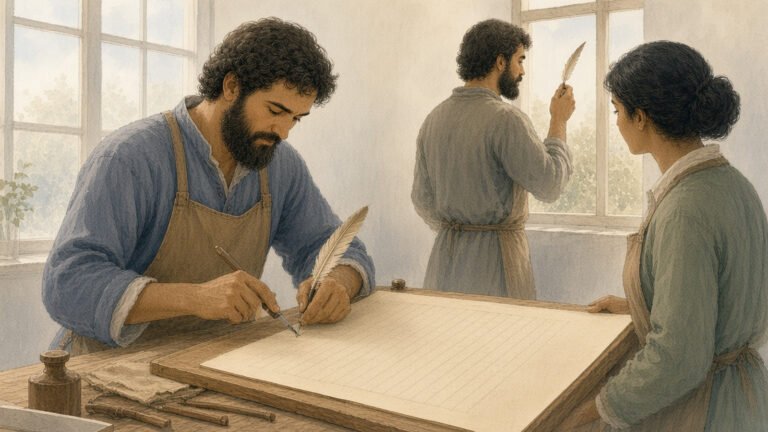
Ancient scribal laws governing parchment preparation, reed pens, gall-nut ink, and letter counting ensured millimeter-exact Torah transmission.
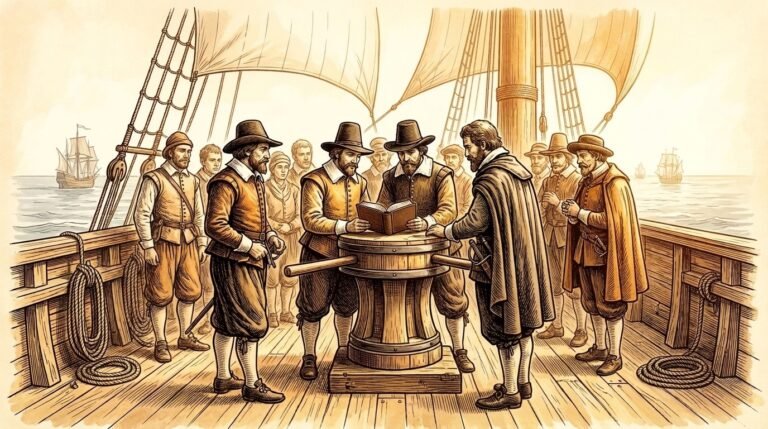
Pocket-sized Dutch vernacular Bibles carried by Calvinist Sea Beggars during the Eighty Years' War fueled religious resistance against Spanish rule.
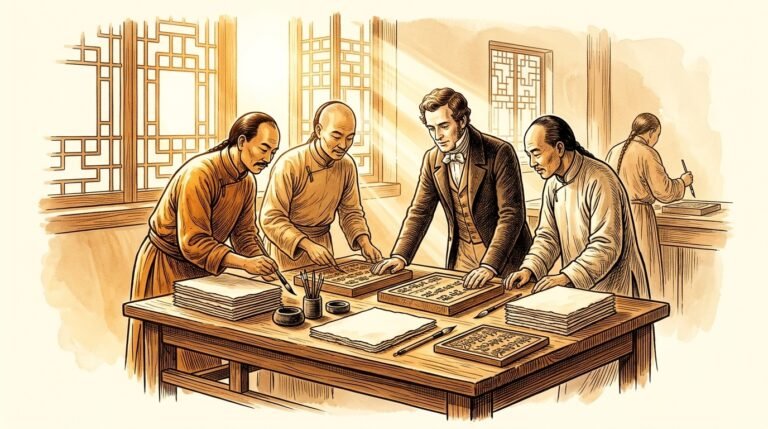
Working in secret cellars in Canton, Robert Morrison and local artisans carved thousands of pearwood blocks to print the first complete Chinese Bible.
Imprisoned in death shackles at Ava during the Anglo-Burmese War, Judson hid his Burmese translation manuscript sewn inside an unpadded cotton pillow.
Miniature French Bibles concealed inside women's braided hair buns preserved Protestant Scripture during decades of brutal persecution under Louis XIV.
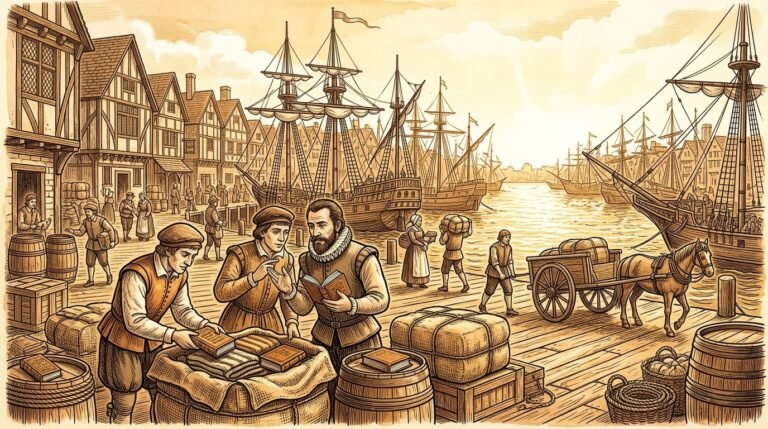
Tyndale's pocket-sized English New Testaments were printed in Worms and smuggled into London concealed inside bales of cloth and sacks of flour.
At the 1532 Synod of Chanforan, impoverished Alpine Waldensians donated five hundred gold crowns to fund Olivétan's French vernacular Bible.
Twice destroyed by artillery and fire during the World Wars, the historic library at Leuven highlights the fragility of manuscript preservation.
After the 1947 Aleppo pogrom, roughly two hundred folios of the Crown disappeared during smuggling, sparking a global hunt for the lost leaves.
Rescued from a burning synagogue cellar during the 1947 Aleppo riots, the greatest Tiberian Masoretic codex was preserved through courage and secrecy.
Curators guarded the world's oldest complete Hebrew Bible inside deep subterranean vaults during the brutal 872-day Nazi siege of Leningrad.
Excavating municipal rubbish mounds in Egypt, Grenfell and Hunt unearthed thousands of early Christian papyri and leaf-form codex manuscripts.
An international team of scholars assembled tens of thousands of Dead Sea Scroll fragments inside the Palestine Archaeological Museum scrollery.
Bedouin goatherds discovered Cave 1 at Qumran in 1947, initiating the recovery of ancient Hebrew scrolls that bridged a millennium of textual history.
Agnes Smith Lewis and Margaret Dunlop Gibson traveled by camel to Mount Sinai in 1892, discovering the oldest known Syriac Gospels palimpsest.
Across three desert expeditions between 1844 and 1859, Tischendorf recovered the fourth-century Codex Sinaiticus from Saint Catherine's Monastery.
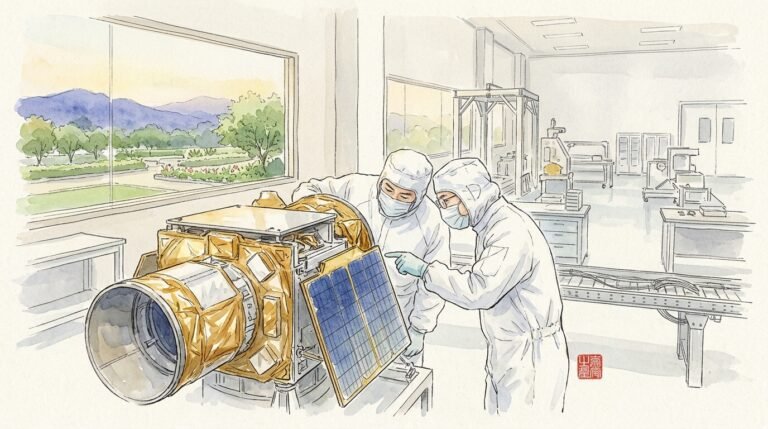
Unravelling the explosive events of the high-energy cosmos—from tidal disruption flares of black holes devouring stars to the magnetic reconnections powering coronal mass ejections—demands novel spaceborne optics. With the deployment of the…
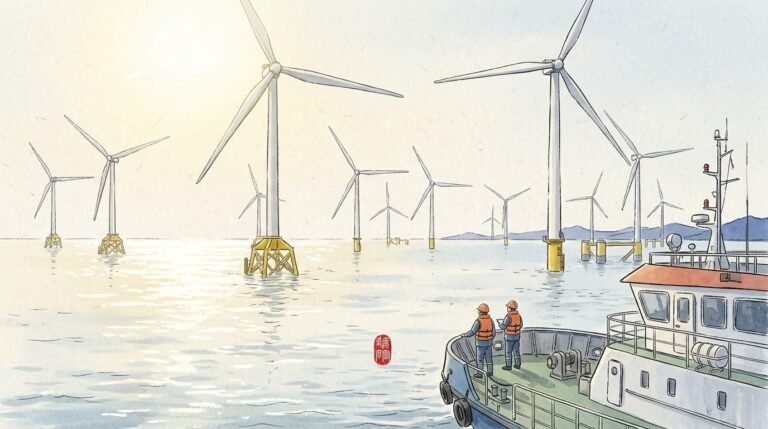
Deploying multi-megawatt wind turbines in the deep, typhoon-prone waters of the South China Sea and Taiwan Strait demands unprecedented structural endurance. Spurred by Mingyang Smart Energy’s 16-to-18-megawatt rotor architectures and pioneering semi-submersible…
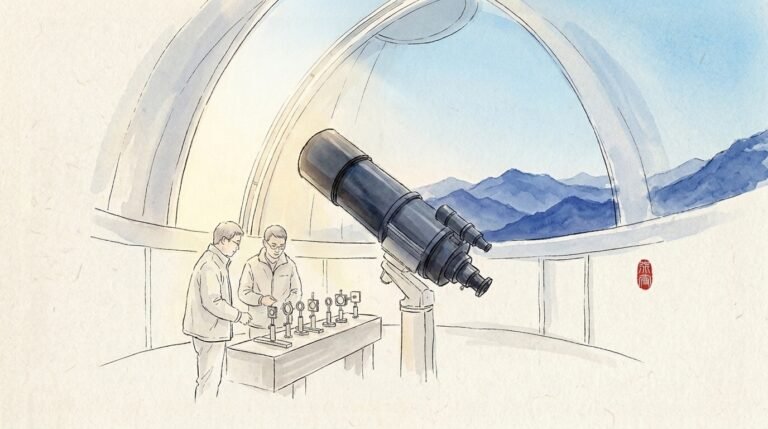
By harnessing the quantum mechanics of single photons and entangled pairs, physicist Pan Jianwei and the Quantum Experiments at Space Scale (QUESS) project bridged the vast gulf between laboratory quantum optics and…
While the United States and the Soviet Union required many years of multi-megaton atmospheric testing and vast supercomputing infrastructure to master staged thermonuclear fusion, China transitioned from its first fission explosion to…
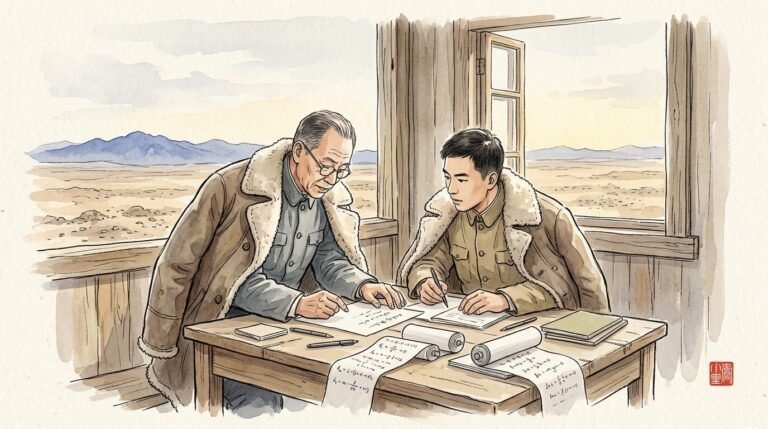
From the aerodynamic wind tunnels of Caltech and the pioneering rocket testing of the Jet Propulsion Laboratory to the barren sands of the Gobi desert, Qian Xuesen forged the foundational systems engineering…
Simulating true hypersonic flight conditions between Mach 5 and Mach 30 requires ground test facilities capable of replicating extreme aerodynamic heating, thermochemical gas dissociation, and shock-layer ionization. By pioneering the forward-detonation and…
With the launch of the Type 003 aircraft carrier Fujian, the People’s Liberation Army Navy made a historic leap directly from ski-jump short take-off ramps to an advanced Electromagnetic Aircraft Launch System…