Bible Transmission
Scholarship Map
GEOGRAPHY · MASORETIC NETWORK
Plot community histories, city Bible-scholarship notes, and individuals where they lived, from Tiberias and Cairo to Córdoba, St Petersburg, and beyond. Use the Individuals filter to show each person once; open a marker to see their travel path and places lived.
How to use this map
Each pin links to a full city note on this site. Markers are grouped by tradition: Mizrahi (Middle East), Maghrebi (North Africa), Sephardi (Iberia), and Ashkenazi (the Rhineland and Central & Eastern Europe). Square pins mark topics rather than cities. Gold and green pins include Aleppo, Cairo, Tunis, and Toledo; navy pins mark Ashkenazi learning from Mainz and Worms to Warsaw and Konigsberg.
Dashed lines suggest historical manuscript and scholar traffic, the same routes Benjamin of Tudela mapped in prose and the Cairo Genizah documented in discarded paperwork. For regional context, begin with the Diaspora Hub.
Pages in this collection
 AmsterdamAmsterdam and Bible transmission: Sephardi Hebrew printing, Christian Hebraism, Dutch Reformed Scripture culture, and Atlantic book routes.
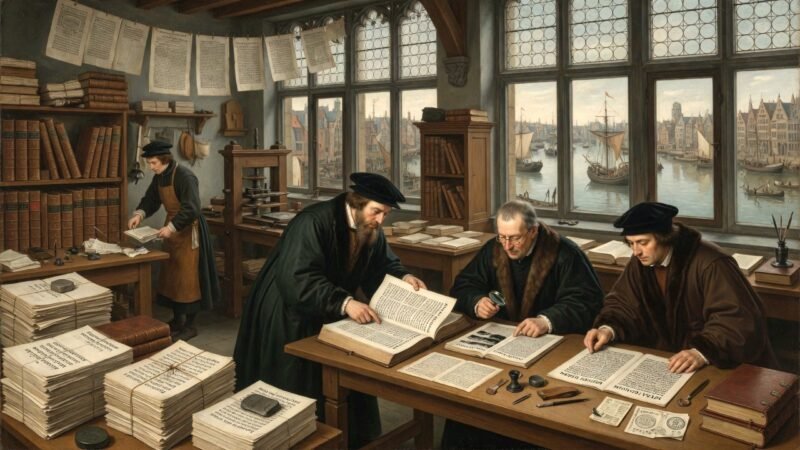 AntwerpAntwerp and Bible transmission: Scheldt print capital, Plantin Polyglot, vernacular Scripture, and the shift of book power toward the Dutch Republic.
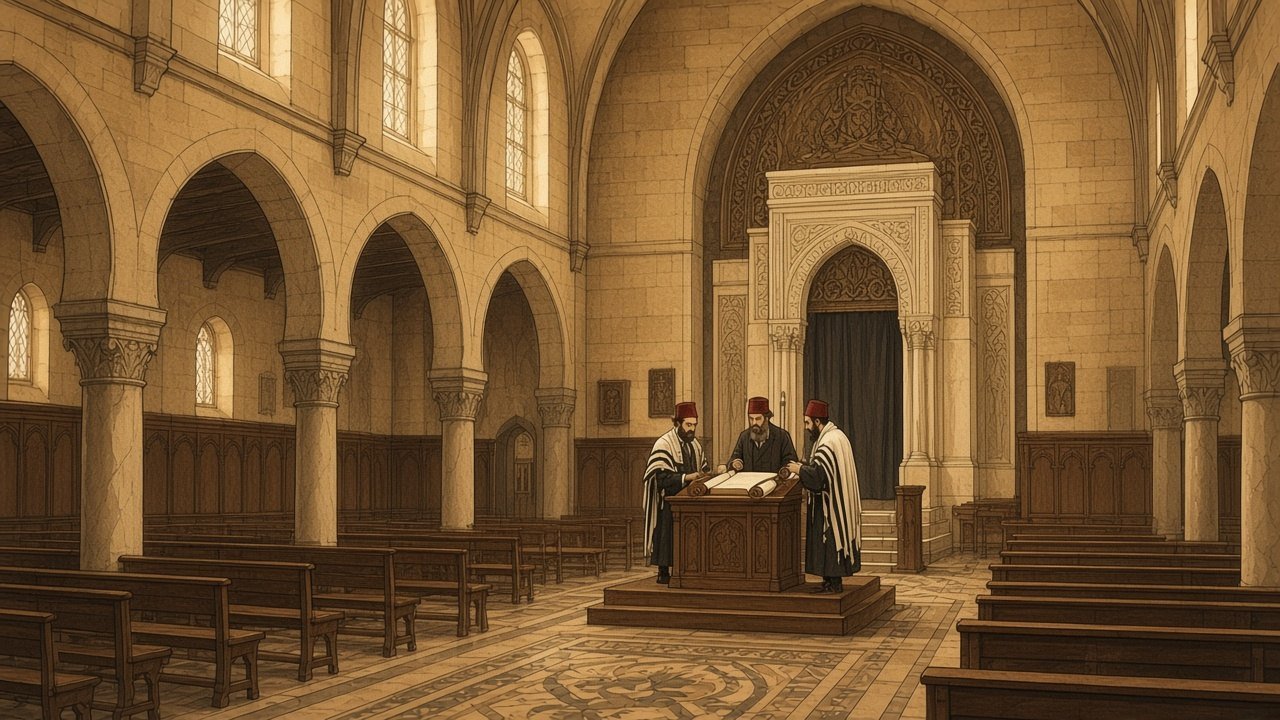 BeirutBeirut: ancient Berytus, Wadi Abu Jamil, the Maghen Abraham Synagogue of 1926, Alliance and Talmud Torah schools, and a Levantine community bound to Aleppo and Damascus.
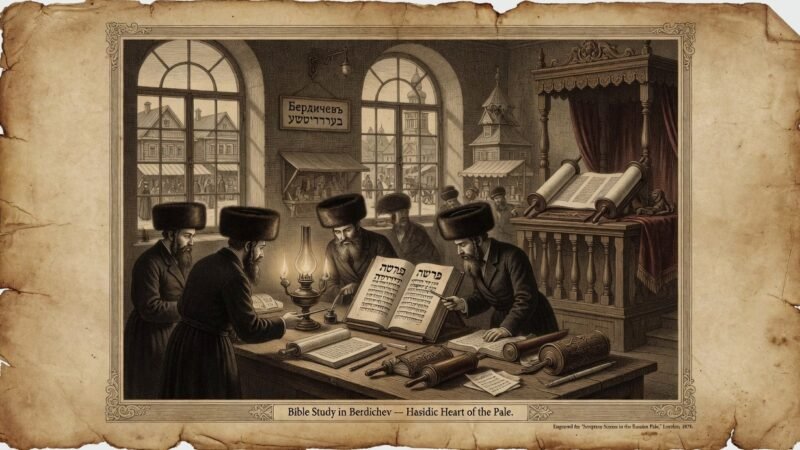 BerdychivBerdychiv (Berdichev): Hasidic capital of Levi Yitzchok, Hebrew print and cantors, and Masoretic literacy in a nearly all-Jewish city of the Pale.
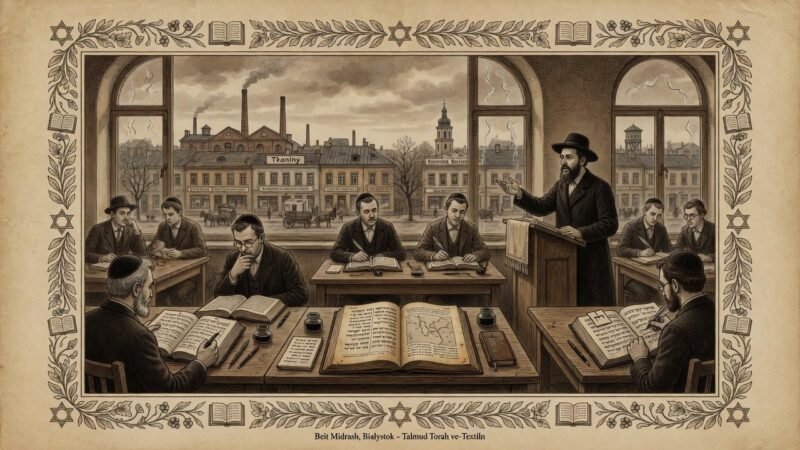 BialystokBialystok: Textile-city Torah study, cheder and mesivta schooling, and Pale of Settlement biblical literacy in northeastern Poland.
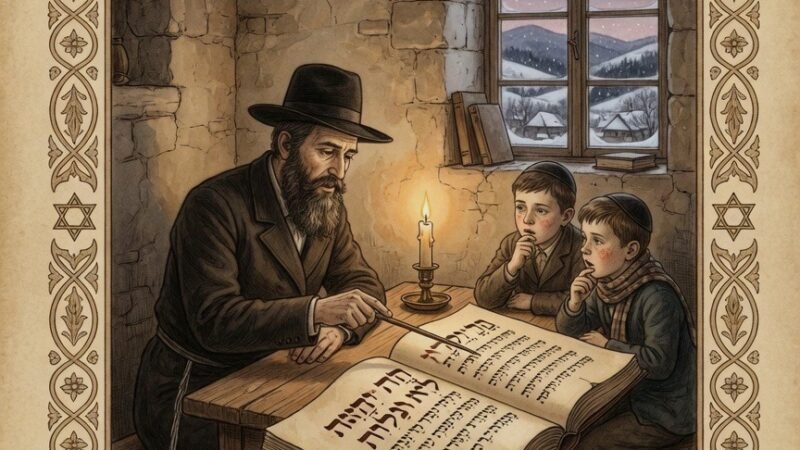 Bielsko-BialaBielsko-Biała, its cheders and study houses, and the local care of pointed Masoretic texts, Rashi and Tiberian cantillation.
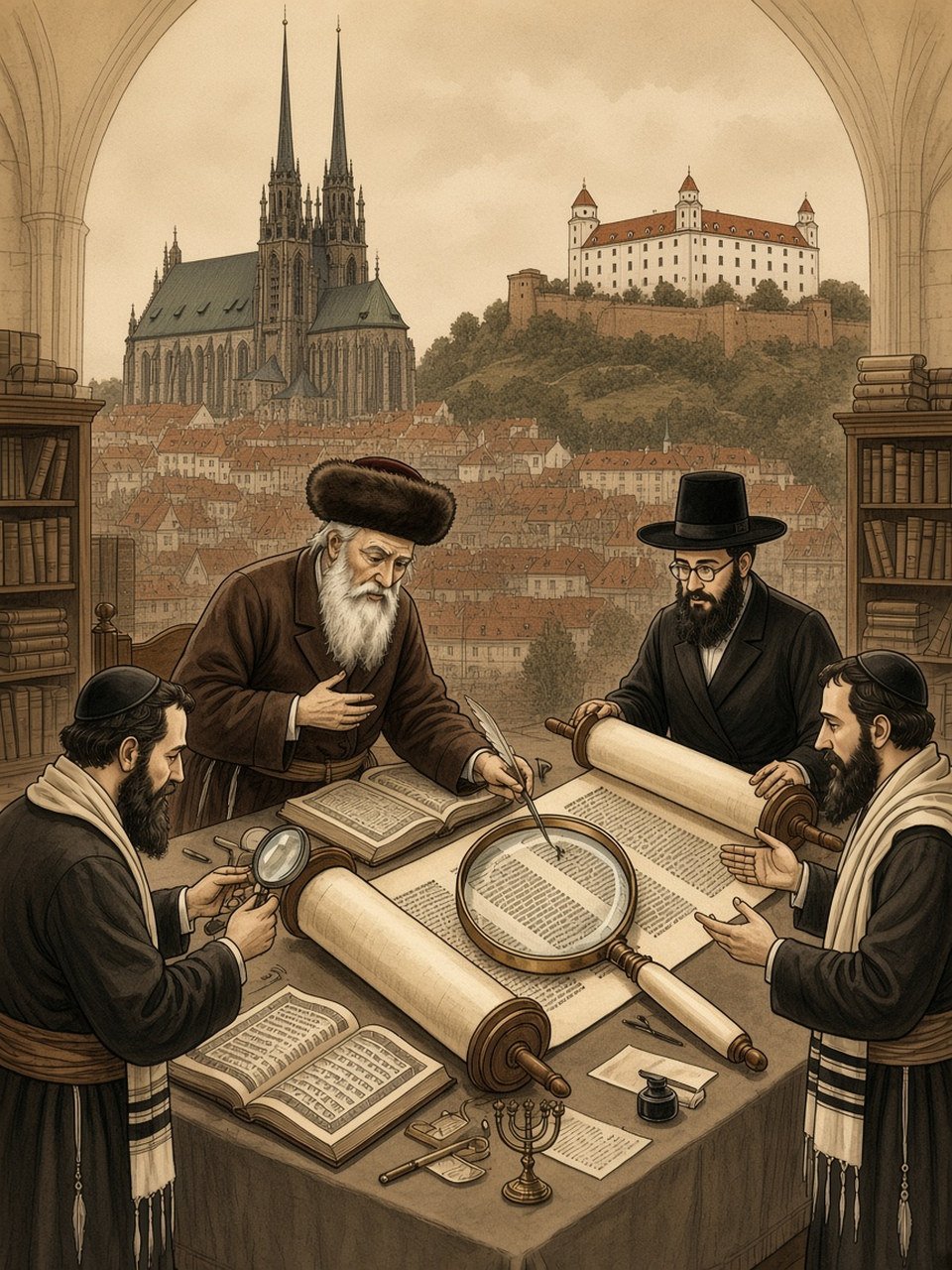 BrnoBrno (Brünn, Hebrew Brin): medieval yeshiva and the responsa of Israel Bruna, the 1454 expulsion, the Neumann Hebrew press, and the Placzek Landesrabbinate.
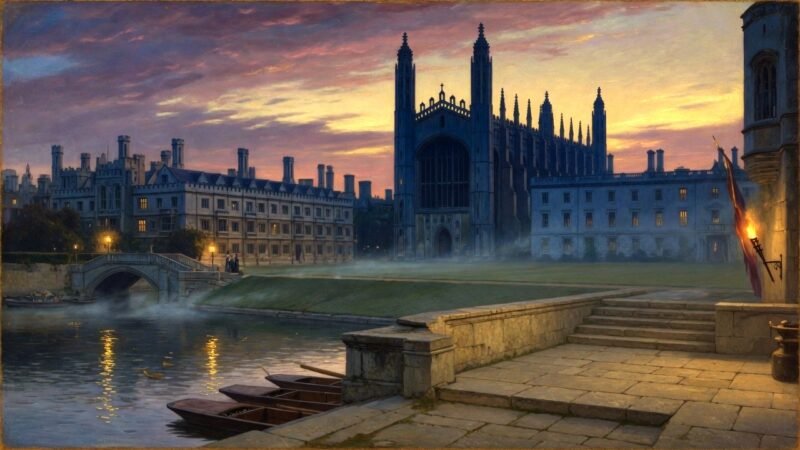 CambridgeCambridge and the English Bible, from Wycliffe and Tyndale to the two Cambridge companies of the 1611 Authorised Version.
 ChernihivChernihiv (Chernigov): Isaac of Chernigov’s exegesis, medieval Rus’ learning, and northern Ukrainian Masoretic literacy.
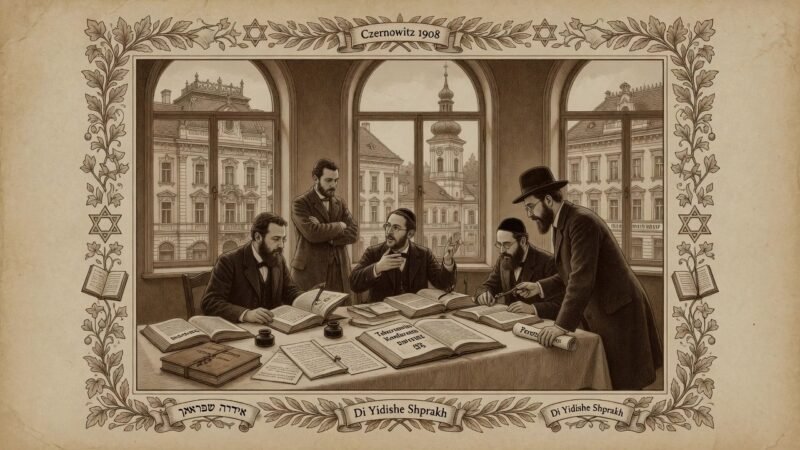 ChernivtsiJewish Bible scholarship and letters in Chernivtsi (Czernowitz): the 1908 Yiddish Language Conference and Bukovina’s bilingual path to Scripture.
 ChisinauChisinau (Kishinev): Bessarabian yeshivot, Hebrew schooling and printing, and Pale of Settlement biblical literacy on the southwestern frontier.
 Cieszyn SilesiaCieszyn Silesia (Teschen): Habsburg settlement and toleration, the communities of Cieszyn, Bielsko and Frydek, the 1920 partition, and Bible learning in the Talmud Torah and district rabbinate.
 CoimbraThe University of Coimbra, Jesuit humanism, Scripture in Portuguese theology and the missionary export of the Latin Bible.
 CologneCologne and the Bible, cathedral and university Latin Scripture, the Rhine book trade, censorship, and Jewish and Christian scholarship.
 Great AwakeningThe Great Awakening and colonial Bible culture, Authorised Version preaching, Edwards and Whitefield, itinerant preachers and colleges.
 Thirty Years' WarConfessional armies, plundered libraries and the scholars who rescued codices and polyglot Bibles during the Thirty Years' War, 1618 to 1648.
 BrugesBruges and Bible transmission: medieval Flemish manuscript culture, merchant patronage, Latin Scripture, and the path toward print in the Low Countries.
 GdanskGdansk (Danzig, Dantzig): Hanseatic Baltic book routes, trade in vocalized Hebrew Bibles, and coastal community access to Mikraot Gedolot editions.
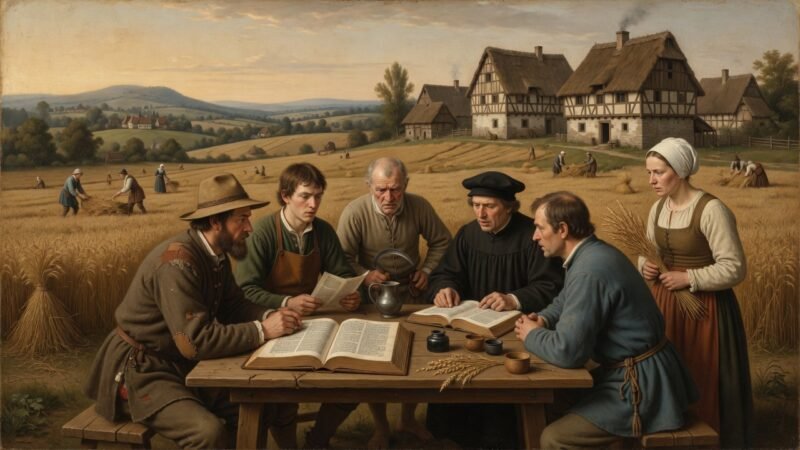 French Wars of ReligionHow Genevan Bibles, Huguenot printers and the martyr press kept French Scripture in circulation through the Wars of Religion in sixteenth-century France.
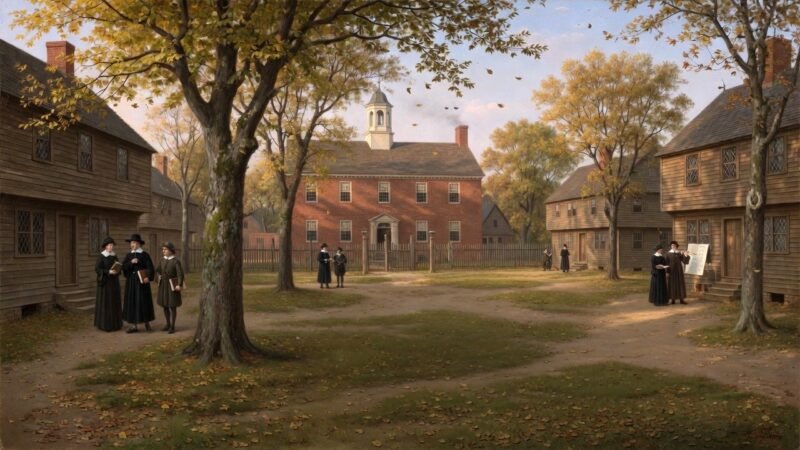 HarvardHarvard and the Bible, Puritan training of ministers, Hebrew and Greek in the colonial curriculum, and later Divinity School study.
 KharkivKharkiv (Kharkov, Charkiv): Maskilic grammar debates, cheder cantillation drills, Vilna Gaon peshat influences, and Torah pedagogy in the northeastern Pale.
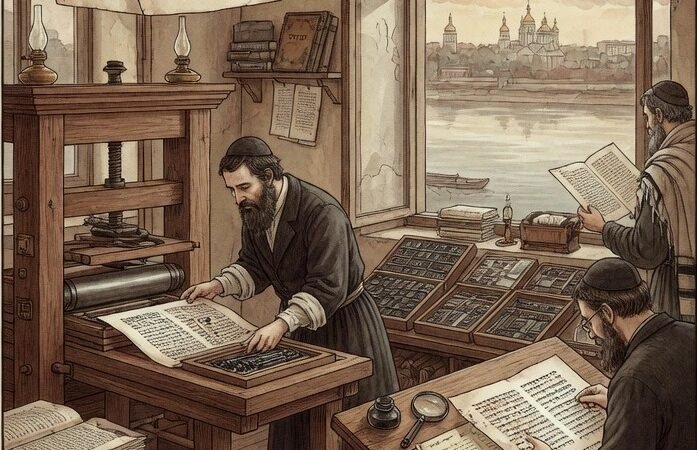 KievKiev (Kyiv, Kiyov): Major Ukrainian Jewish printing presses, adult Bible study circles, and mass literacy in the vocalized Masoretic text.
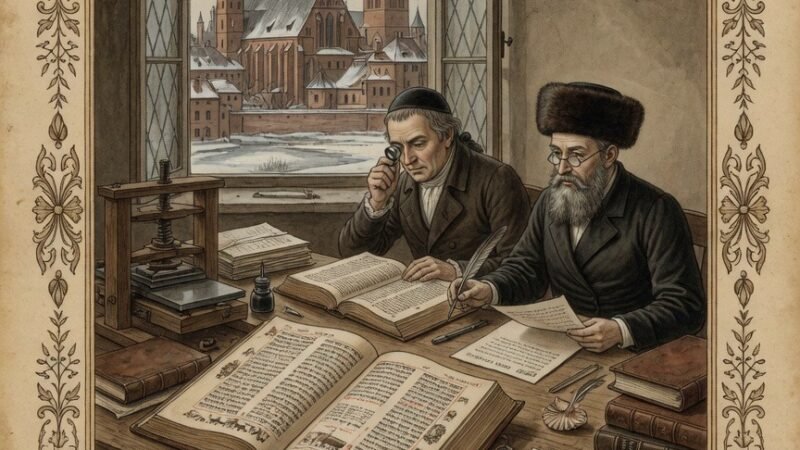 KonigsbergKönigsberg (Kaliningrad), East Prussian presses, university Hebraism and the links between German and Lithuanian Masoretic scholarship.
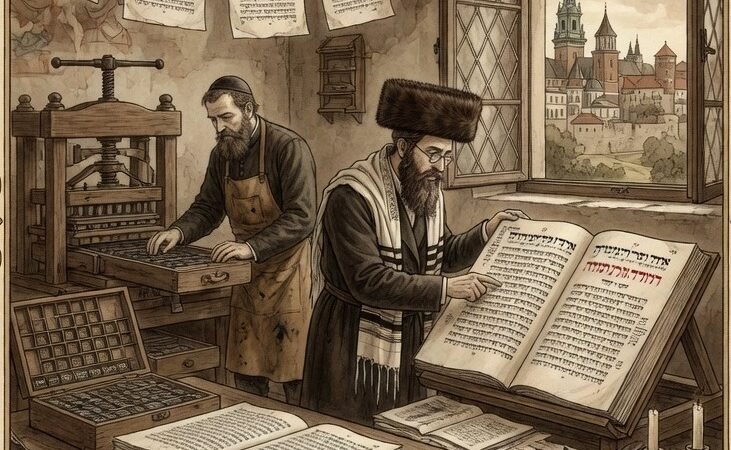 KrakowKrakow (Cracow, Kraków, Kroke): Kazimierz pioneer Hebrew printing from 1534, Moses Isserles (Remu) circle, and early Polish Masoretic textual authority.
 LisbonLisbon and the Bible, Portuguese Jewish learning before 1497, Jesuit colleges, the Inquisition, and Latin Scripture exported across the empire.
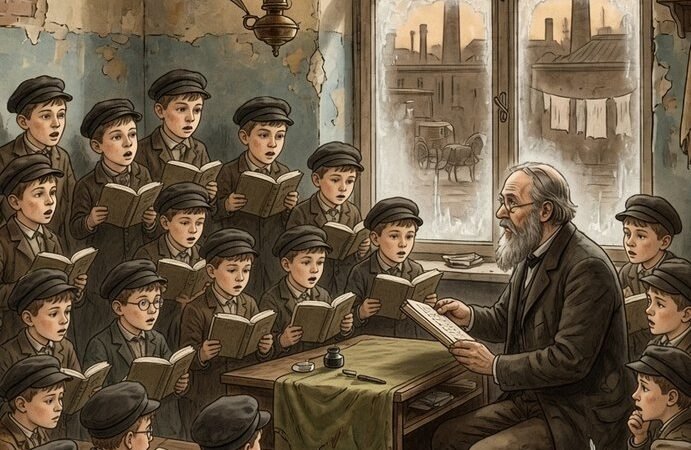 LodzLodz (Łódź): Industrial-era cheders, textile-capital yeshivot, and mass lectionary literacy in Congress Poland where pointed Bibles grounded daily life.
 LondonLondon and the Bible, Lollard copies of the Wycliffe Bible, the capital of English Bible printing and the 1611 Westminster companies.
 LublinLublin: The 'Jewish Oxford', Council of Four Lands assemblies, Kalonymus printing presses, and legendary yeshiva mastery of the Masoretic text.
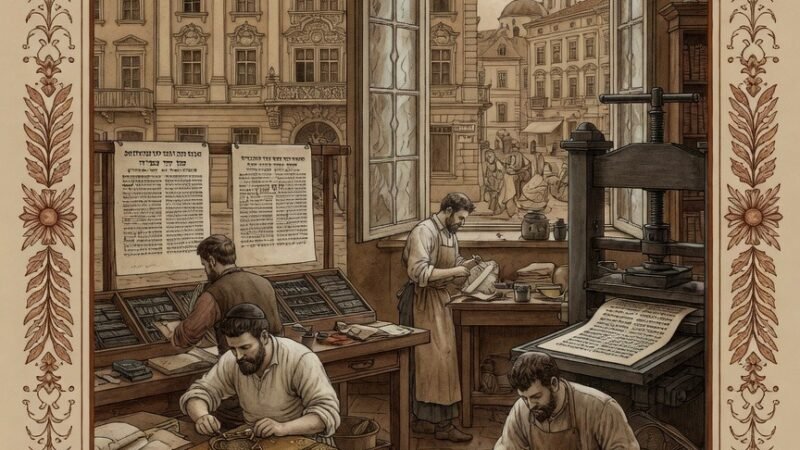 LvivLviv (Lwów, Lemberg): Galician capital of Hebrew printing, large-scale Mikraot Gedolot production rivaling Vilna, and prominent soferim traditions.
 MainzMainz, capital of Ashkenazi Bible learning and birthplace of European printing, the Gutenberg Bible and the print revolution for Scripture.
 MinskMinsk (מינסק): Gunzberg and Heilprin, Blumke's Kloyz and the Gadol of Minsk, maskilim and Hebrew teachers, the Soviet silence, the ghetto, and the community of today.
 New YorkNew York: Sephardic foundations, German-Jewish Wissenschaft, Jastrow and Kohut, JTS, the JPS Bible project, and the American legacy of Masoretic learning.
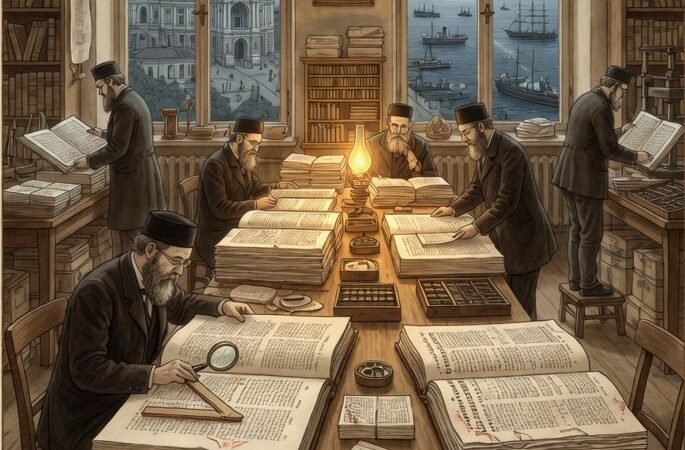 OdessaOdessa (Odesa): Black Sea port of Hebrew printing, Haskalah pedagogy, yeshivot, Mikraot Gedolot markets, and Masoretic literacy in the Pale.
 OxfordOxford and the Bible, John Wycliffe and the Wycliffe Bible, and the two Oxford companies of the 1611 Authorised Version.
 ParisParis and the Bible, university theology, Renaissance Hebrew and Greek, the Estienne Greek New Testaments and French Bible struggles.
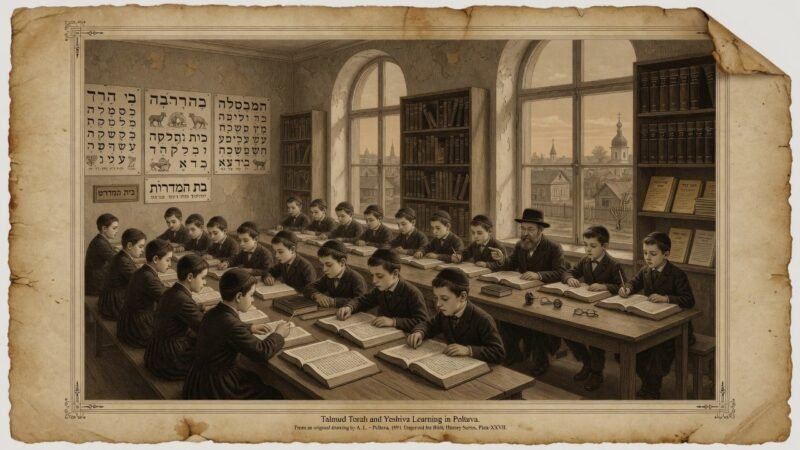 PoltavaPoltava: Organized Talmud Torah and yeshiva, Hebrew periodicals Ha-Peles and Ha-Modia, and Masoretic schooling in the Left-Bank Pale.
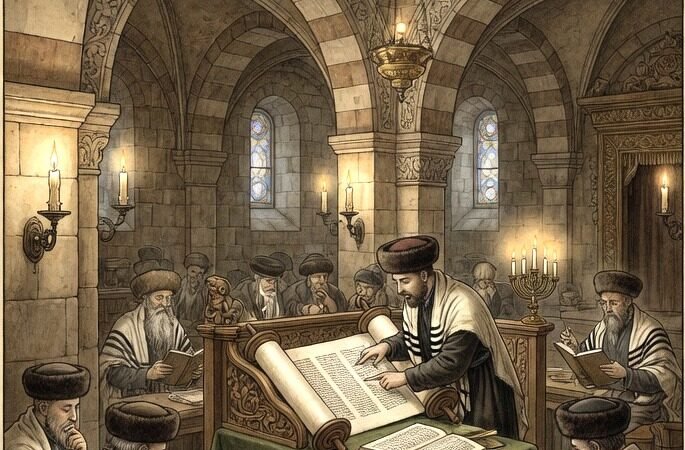 PoznanPoznan (Posen, Poznań): One of Poland's oldest communities, the Maharal's educational curriculum, Rabbi Akiva Eger's yeshiva, and rigorous lectionary pedagogy.
 PraguePrague (Praha, Prag): Hebrew printing from 1512, Josefov soferim, vocalized ḥumashim, and Ashkenazi Masoretic culture.
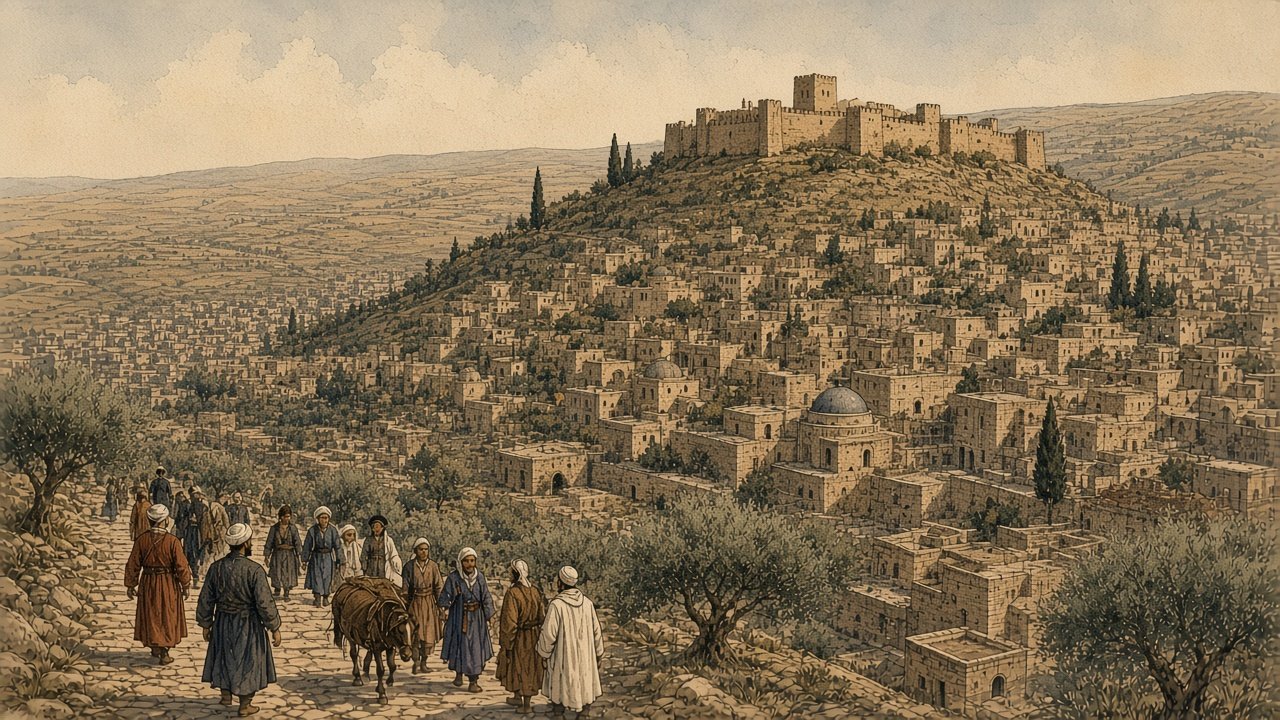 SafedSafed (צפת): Karo and the Shulchan Arukh, the fellowship of Isaac Luria, the first Hebrew press in the Land of Israel, the earthquakes of 1759 and 1837, 1929, 1948, and the town today.
 SalamancaThe University of Salamanca, Christian Hebraism, Fray Luis de León and the study of Hebrew, Greek and Latin in Golden Age Spain.
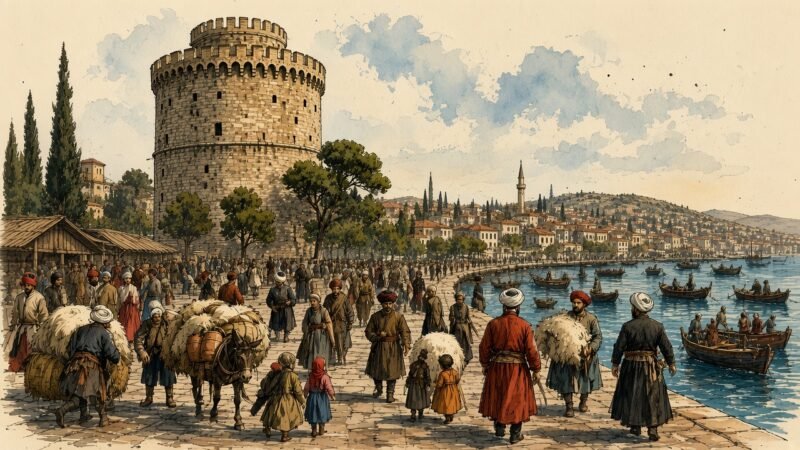 SalonicaSalonica and the Bible, Byzantine scholars, Sephardi commentators, the Gedaliah, Soncino and Jabez presses, the Ladino Bible and what survives.
 Peasants' RevoltHow vernacular Scripture, Luther’s German Bible work, the Twelve Articles, and radical exegesis shaped the German Peasants’ War of 1524–1525.
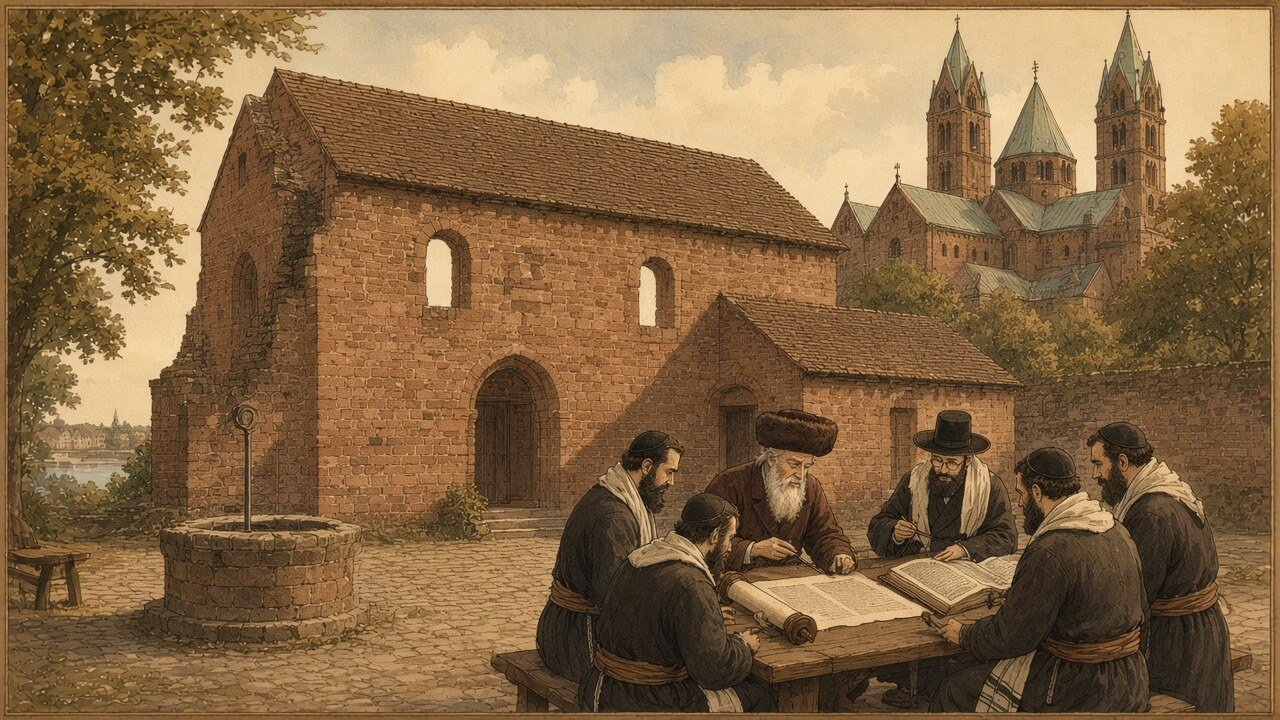 SpeyerSpeyer, first letter of ShUM: the 1084 charter, Judenhof synagogue and mikveh, Tosafists, Ḥasidei Ashkenaz, and the modern Beith-Schalom community.
 SzczecinSzczecin (Stettin): Prussian Gemeinde, Hayyim Coslin's Hebrew grammar and Masorah, the 1875 synagogue, and the first mass deportation of Jews from the German Reich in February 1940.
 FrankfurtFrankfurt am Main and Bible scholarship: the book fair as Scripture marketplace, Jewish and Christian book trades, and European circulation of Bibles.
 HeidelbergHeidelberg and Bible scholarship: university Hebrew and Greek, Reformed confessional learning, the Heidelberg Catechism, and Rhine networks.
 TorunTorun (Thorn, Toruń): Vistula trade routes, provincial lectionary practice, gymnasium Hebraism, and imported vocalized Bibles on the Prussian border.
 ToursTours and the Bible, Alcuin of York, the Abbey of Saint-Martin and the Carolingian reform of the Latin Vulgate.
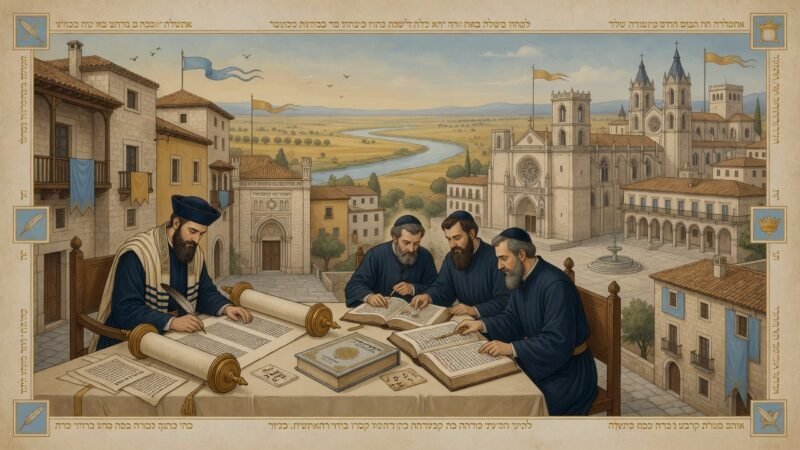 ValladolidValladolid and the Bible, Castilian Jewish aljamas, the Valladolid ordinances of 1432 and the Inquisition before and after 1492.
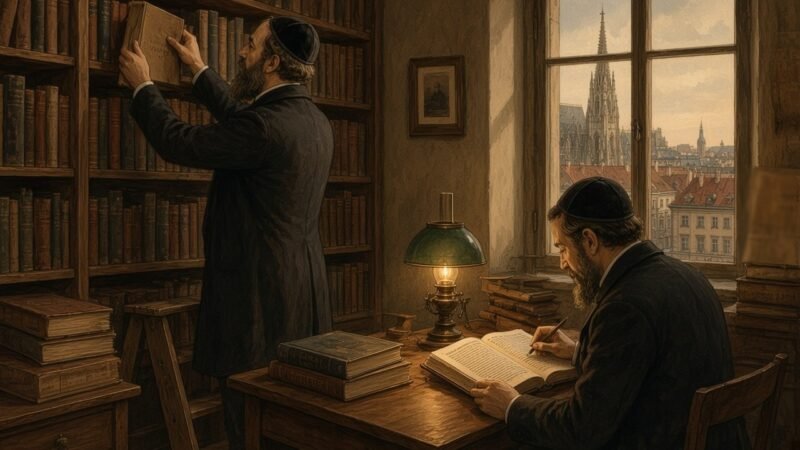 ViennaVienna (Wien, Beç): Leopoldstadt study houses, imperial Hebrew printing, manuscript collections, soferim traditions, and modern Masoretic pedagogy.
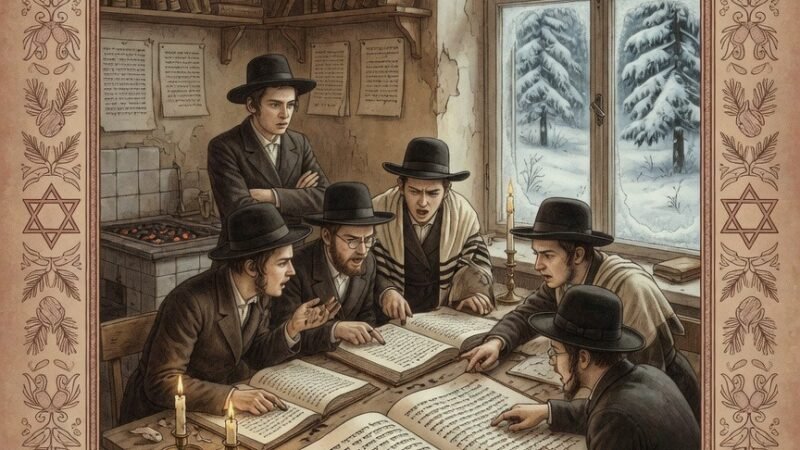 VitebskVitebsk (Witebsk, Vitsyebsk): Belarusian yeshiva networks, Dvina river book circulation, and Lithuanian peshat rigor meeting Hasidic Bible study in the Pale.
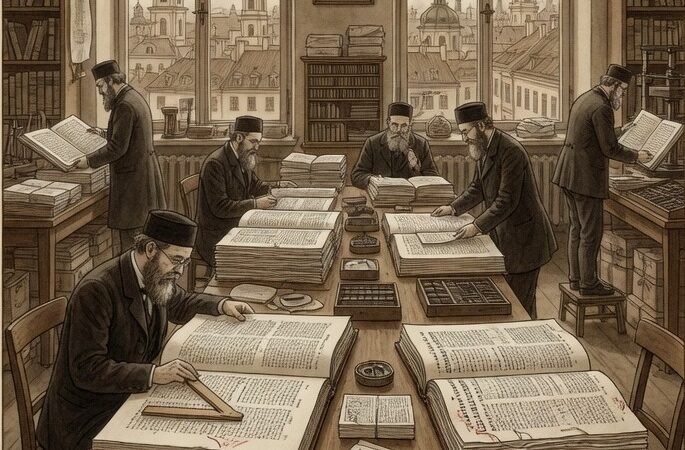 WarsawWarsaw, the nineteenth century publishing capital of European Jewry, which printed millions of pointed Humashim and Mikraot Gedolot.
 WittenbergWittenberg (Wittemberg) and Bible scholarship: Luther, Melanchthon, university exegesis, and the German Bible from Hebrew and Greek.
 WormsWorms and Bible scholarship: ShUM Jewish learning on the Rhine and the Diet of Worms (1521) as a public crisis of scriptural authority.
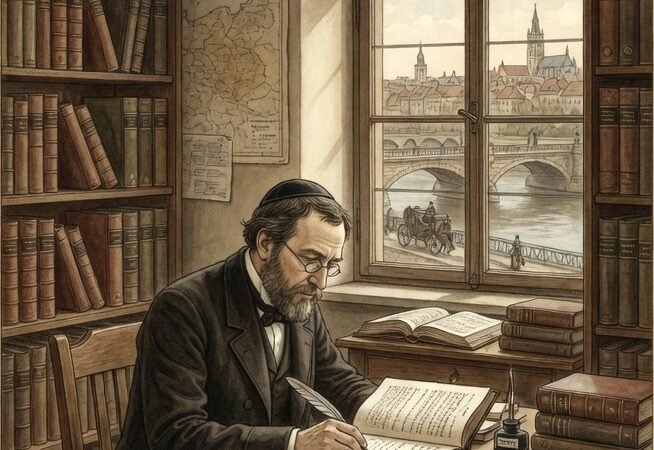 WroclawWrocław (Breslau), its Jewish Theological Seminary, Zacharias Frankel and German Jewish critical study of the Masorah.
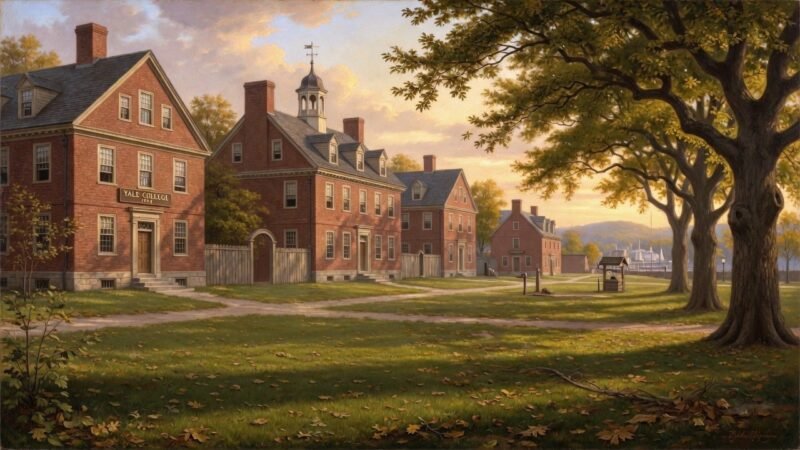 YaleYale and the Bible, colonial orthodoxy, Hebrew and Greek training, Authorised Version preaching and Yale Divinity School.
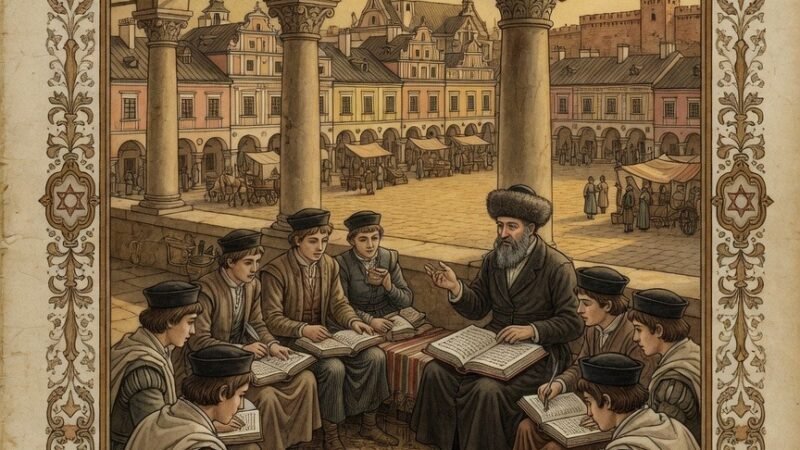 ZamoscZamosc (Zamość, Zamoshtch): Renaissance fortress-city learning, early Haskalah biblical grammar, and the unique fortress synagogue Torah tradition.
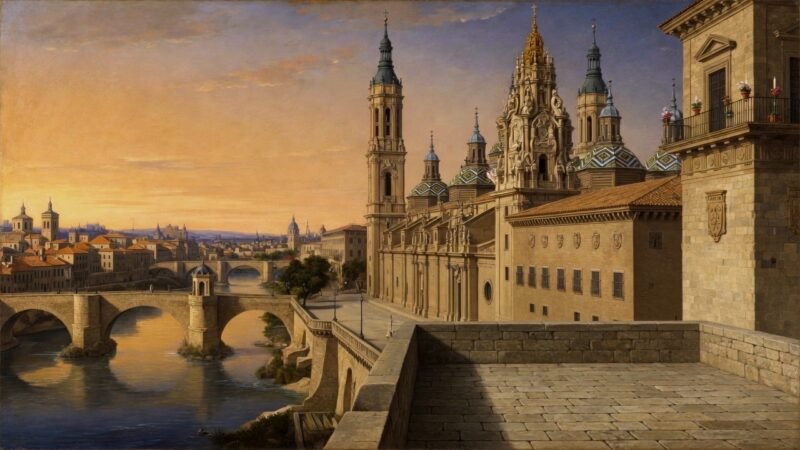 ZaragozaZaragoza on the Ebro, Jewish aljama learning, cathedral Scripture in the Crown of Aragon and the meeting of Hebrew and Christian scholarship.
Share this page