Pascin of Montparnasse
Jules Pascin was born Julius Mordecai Pincas in Vidin, Bulgaria, on 31 March 1885, to a Sephardic Jewish grain-merchant family, and died in Paris on 2 June 1930. After schooling and cartooning in Vienna and Munich he reached Paris in 1905, became a central presence in Montparnasse café life, spent the First World War years in the United States—where he took citizenship—and returned to France as a leading figure of the School of Paris. His drawings and paintings, celebrated for their delicate line, made him famous in his lifetime; this account concentrates on the life, places and milieu rather than on reproducing his figurative subjects. [1][2][3]
This special feature follows that life in chapter order. It begins with Vidin and Bucharest, then traces Vienna, Munich and Simplicissimus, the arrival in Paris and the Dôme circle, the American years, the return to Montparnasse, the networks of dealers and friends, and the posthumous reputation. An interactive timeline at the end of the essay gathers the principal dates. [4][5]
The chapters that follow keep to a chronological spine so that each phase can be placed against wars, occupations and migrations.
The chapters that follow keep to a chronological spine so that each phase can be placed against wars, occupations and migrations.
The chapters that follow keep to a chronological spine so that each phase can be placed against wars, occupations and migrations.
The chapters that follow keep to a chronological spine so that each phase can be placed against wars, occupations and migrations.
The chapters that follow keep to a chronological spine so that each phase can be placed against wars, occupations and migrations.
The chapters that follow keep to a chronological spine so that each phase can be placed against wars, occupations and migrations.
The chapters that follow keep to a chronological spine so that each phase can be placed against wars, occupations and migrations.
The chapters that follow keep to a chronological spine so that each phase can be placed against wars, occupations and migrations.
The chapters that follow keep to a chronological spine so that each phase can be placed against wars, occupations and migrations.
The chapters that follow keep to a chronological spine so that each phase can be placed against wars, occupations and migrations.
The chapters that follow keep to a chronological spine so that each phase can be placed against wars, occupations and migrations.
1. Vidin and Bucharest
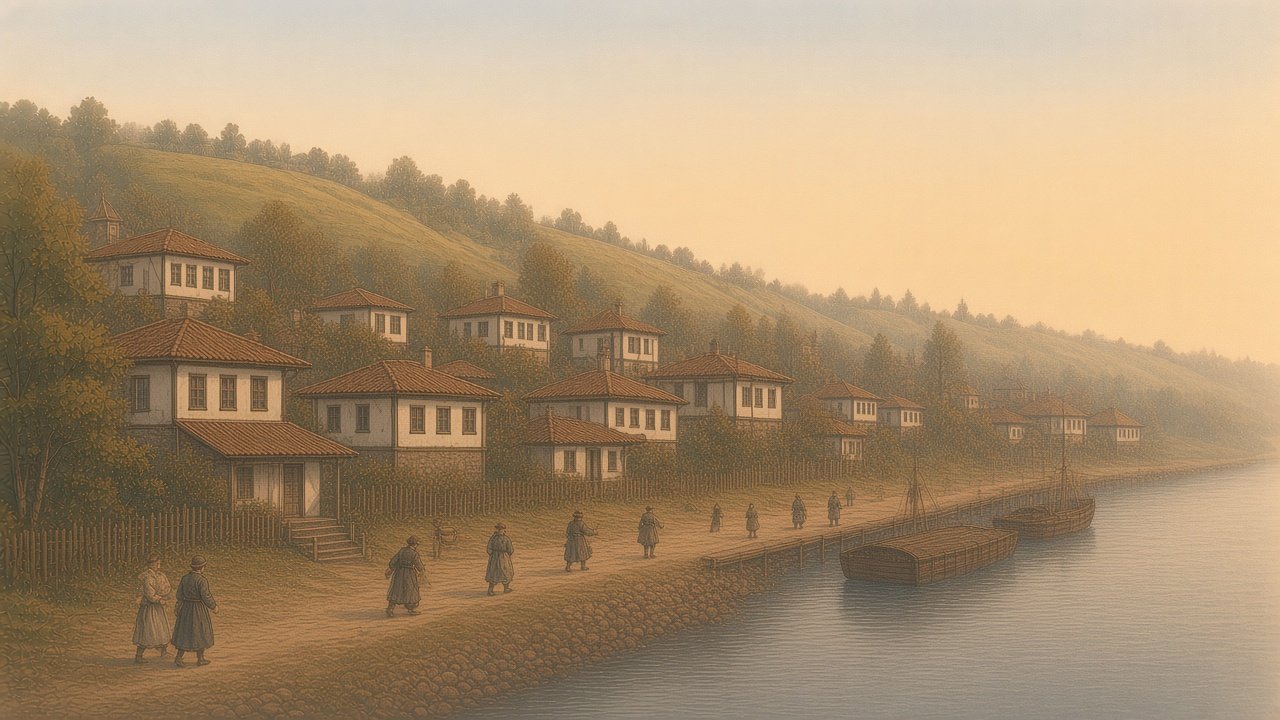
Julius Mordecai Pincas was born in Vidin on the Danube, into a prosperous Sephardic Jewish family engaged in the grain trade. The town’s riverfront, Ottoman and European architecture, and position on Balkan trade routes formed his first landscape. In 1892 the family moved to Bucharest, a larger capital where the boy encountered urban life and, according to later anecdote, encouragement to draw from unexpected quarters. [1][2][4]
He was the eighth of eleven children. Family wealth did not translate into approval for a bohemian career; the father’s merchant authority weighed against the son’s vocation. Boarding school in Vienna from 1896 began the westward education that would end in Paris. [2][1]
Vidin remained a point of origin he did not extensively mythologise in the manner of Chagall’s Vitebsk, yet Balkan and Romanian years explain the polyglot ease with which he later moved through European art worlds. [4][3]
Sephardic household culture, Ladino traces and Romanian surroundings mixed in his early ear. French would become the language of his adult career; German served the Munich cartoons; English the American years. [1][2]
The Danube at Vidin, with its barges and border atmosphere, offers historians a concrete starting image for a life of continual crossing. [4]
The phase associated with Vidin and Bucharest concentrates training, patronage, politics and memory in ways that repay slow reading. Famous poems or images alone do not explain the labour of reaching them: rooms rented, papers sought, languages juggled, drafts destroyed. Archival letters and exhibition records refine the chronology without closing every debate among specialists. Secondary literature continues to revise details; the outline here follows recent encyclopaedia and scholarly consensus. What remains constant is the pressure of history on a single working life.
The phase associated with Vidin and Bucharest concentrates training, patronage, politics and memory in ways that repay slow reading. Famous poems or images alone do not explain the labour of reaching them: rooms rented, papers sought, languages juggled, drafts destroyed. Contemporary witnesses disagree on emphasis, yet the documentary backbone of dates and places holds. Secondary literature continues to revise details; the outline here follows recent encyclopaedia and scholarly consensus. What remains constant is the pressure of history on a single working life.
The phase associated with Vidin and Bucharest concentrates training, patronage, politics and memory in ways that repay slow reading. Famous poems or images alone do not explain the labour of reaching them: rooms rented, papers sought, languages juggled, drafts destroyed. Later memoirs colour the episode; where they conflict, this account prefers checked public facts. Secondary literature continues to revise details; the outline here follows recent encyclopaedia and scholarly consensus. What remains constant is the pressure of history on a single working life.
The phase associated with Vidin and Bucharest concentrates training, patronage, politics and memory in ways that repay slow reading. Famous poems or images alone do not explain the labour of reaching them: rooms rented, papers sought, languages juggled, drafts destroyed. Museum catalogues and encyclopaedia articles cited below underwrite the narrative claims made here. Secondary literature continues to revise details; the outline here follows recent encyclopaedia and scholarly consensus. What remains constant is the pressure of history on a single working life.
The phase associated with Vidin and Bucharest concentrates training, patronage, politics and memory in ways that repay slow reading. Famous poems or images alone do not explain the labour of reaching them: rooms rented, papers sought, languages juggled, drafts destroyed. The wider history of eastern Jewish modernity supplies the frame in which these personal choices make sense. Secondary literature continues to revise details; the outline here follows recent encyclopaedia and scholarly consensus. What remains constant is the pressure of history on a single working life.
The phase associated with Vidin and Bucharest concentrates training, patronage, politics and memory in ways that repay slow reading. Famous poems or images alone do not explain the labour of reaching them: rooms rented, papers sought, languages juggled, drafts destroyed. Political pressure, money and illness repeatedly redirected the path that talent alone did not determine. Secondary literature continues to revise details; the outline here follows recent encyclopaedia and scholarly consensus. What remains constant is the pressure of history on a single working life.
The phase associated with Vidin and Bucharest concentrates training, patronage, politics and memory in ways that repay slow reading. Famous poems or images alone do not explain the labour of reaching them: rooms rented, papers sought, languages juggled, drafts destroyed. Friendships and rivalries within the literary or artistic milieu mattered as much as formal invention. Secondary literature continues to revise details; the outline here follows recent encyclopaedia and scholarly consensus. What remains constant is the pressure of history on a single working life.
The phase associated with Vidin and Bucharest concentrates training, patronage, politics and memory in ways that repay slow reading. Famous poems or images alone do not explain the labour of reaching them: rooms rented, papers sought, languages juggled, drafts destroyed. Displacement across borders turned private style into an international language whether the writer wished it or not. Secondary literature continues to revise details; the outline here follows recent encyclopaedia and scholarly consensus. What remains constant is the pressure of history on a single working life.
The phase associated with Vidin and Bucharest concentrates training, patronage, politics and memory in ways that repay slow reading. Famous poems or images alone do not explain the labour of reaching them: rooms rented, papers sought, languages juggled, drafts destroyed. Archival letters and exhibition records refine the chronology without closing every debate among specialists. Secondary literature continues to revise details; the outline here follows recent encyclopaedia and scholarly consensus. What remains constant is the pressure of history on a single working life.
The phase associated with Vidin and Bucharest concentrates training, patronage, politics and memory in ways that repay slow reading. Famous poems or images alone do not explain the labour of reaching them: rooms rented, papers sought, languages juggled, drafts destroyed. Contemporary witnesses disagree on emphasis, yet the documentary backbone of dates and places holds. Secondary literature continues to revise details; the outline here follows recent encyclopaedia and scholarly consensus. What remains constant is the pressure of history on a single working life.
The phase associated with Vidin and Bucharest concentrates training, patronage, politics and memory in ways that repay slow reading. Famous poems or images alone do not explain the labour of reaching them: rooms rented, papers sought, languages juggled, drafts destroyed. Later memoirs colour the episode; where they conflict, this account prefers checked public facts. Secondary literature continues to revise details; the outline here follows recent encyclopaedia and scholarly consensus. What remains constant is the pressure of history on a single working life.
The phase associated with Vidin and Bucharest concentrates training, patronage, politics and memory in ways that repay slow reading. Famous poems or images alone do not explain the labour of reaching them: rooms rented, papers sought, languages juggled, drafts destroyed. Museum catalogues and encyclopaedia articles cited below underwrite the narrative claims made here. Secondary literature continues to revise details; the outline here follows recent encyclopaedia and scholarly consensus. What remains constant is the pressure of history on a single working life.
2. Vienna and Munich
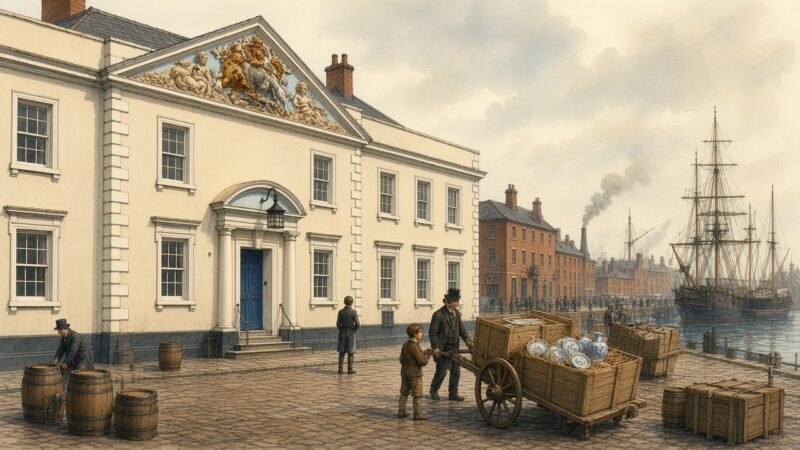
In Vienna and then Munich Pascin trained and, more importantly, began to earn by drawing for satirical journals. Simplicissimus in Munich published his work regularly from about 1904, giving him an income and a public before he reached France. He met artists including George Grosz in these German-speaking years and observed the Secessionist and satirical scenes. [1][4][2]
At his family’s urging he adopted the name Pascin, an anagrammatic mask that also sounded workable in French. The rename marked a break with the merchant house of Pincas and an acceptance of the artist’s alias. [1][2]
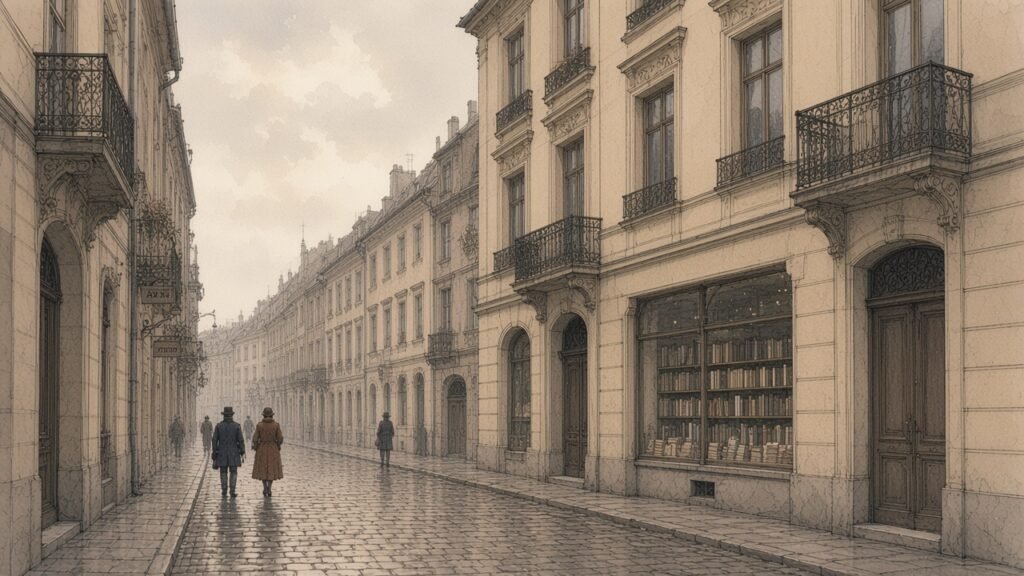
Munich’s ateliers and cafés taught him the manners of European bohemia. When he left for Paris at the end of 1905, he arrived already published and networked. [4][3]
The satirical line of the German cartoons—quick, observational, socially pointed—feeds the later Parisian drawings even where the mood softens. [6][1]
Paul Klee and other Munich moderns formed part of the ambient scene; Pascin’s path stayed closer to graphic reportage than to their metaphysical painting. [4]
The phase associated with Vienna and Munich concentrates training, patronage, politics and memory in ways that repay slow reading. Famous poems or images alone do not explain the labour of reaching them: rooms rented, papers sought, languages juggled, drafts destroyed. Contemporary witnesses disagree on emphasis, yet the documentary backbone of dates and places holds. Secondary literature continues to revise details; the outline here follows recent encyclopaedia and scholarly consensus. What remains constant is the pressure of history on a single working life.
The phase associated with Vienna and Munich concentrates training, patronage, politics and memory in ways that repay slow reading. Famous poems or images alone do not explain the labour of reaching them: rooms rented, papers sought, languages juggled, drafts destroyed. Later memoirs colour the episode; where they conflict, this account prefers checked public facts. Secondary literature continues to revise details; the outline here follows recent encyclopaedia and scholarly consensus. What remains constant is the pressure of history on a single working life.
The phase associated with Vienna and Munich concentrates training, patronage, politics and memory in ways that repay slow reading. Famous poems or images alone do not explain the labour of reaching them: rooms rented, papers sought, languages juggled, drafts destroyed. Museum catalogues and encyclopaedia articles cited below underwrite the narrative claims made here. Secondary literature continues to revise details; the outline here follows recent encyclopaedia and scholarly consensus. What remains constant is the pressure of history on a single working life.
The phase associated with Vienna and Munich concentrates training, patronage, politics and memory in ways that repay slow reading. Famous poems or images alone do not explain the labour of reaching them: rooms rented, papers sought, languages juggled, drafts destroyed. The wider history of eastern Jewish modernity supplies the frame in which these personal choices make sense. Secondary literature continues to revise details; the outline here follows recent encyclopaedia and scholarly consensus. What remains constant is the pressure of history on a single working life.
The phase associated with Vienna and Munich concentrates training, patronage, politics and memory in ways that repay slow reading. Famous poems or images alone do not explain the labour of reaching them: rooms rented, papers sought, languages juggled, drafts destroyed. Political pressure, money and illness repeatedly redirected the path that talent alone did not determine. Secondary literature continues to revise details; the outline here follows recent encyclopaedia and scholarly consensus. What remains constant is the pressure of history on a single working life.
The phase associated with Vienna and Munich concentrates training, patronage, politics and memory in ways that repay slow reading. Famous poems or images alone do not explain the labour of reaching them: rooms rented, papers sought, languages juggled, drafts destroyed. Friendships and rivalries within the literary or artistic milieu mattered as much as formal invention. Secondary literature continues to revise details; the outline here follows recent encyclopaedia and scholarly consensus. What remains constant is the pressure of history on a single working life.
The phase associated with Vienna and Munich concentrates training, patronage, politics and memory in ways that repay slow reading. Famous poems or images alone do not explain the labour of reaching them: rooms rented, papers sought, languages juggled, drafts destroyed. Displacement across borders turned private style into an international language whether the writer wished it or not. Secondary literature continues to revise details; the outline here follows recent encyclopaedia and scholarly consensus. What remains constant is the pressure of history on a single working life.
The phase associated with Vienna and Munich concentrates training, patronage, politics and memory in ways that repay slow reading. Famous poems or images alone do not explain the labour of reaching them: rooms rented, papers sought, languages juggled, drafts destroyed. Archival letters and exhibition records refine the chronology without closing every debate among specialists. Secondary literature continues to revise details; the outline here follows recent encyclopaedia and scholarly consensus. What remains constant is the pressure of history on a single working life.
The phase associated with Vienna and Munich concentrates training, patronage, politics and memory in ways that repay slow reading. Famous poems or images alone do not explain the labour of reaching them: rooms rented, papers sought, languages juggled, drafts destroyed. Contemporary witnesses disagree on emphasis, yet the documentary backbone of dates and places holds. Secondary literature continues to revise details; the outline here follows recent encyclopaedia and scholarly consensus. What remains constant is the pressure of history on a single working life.
The phase associated with Vienna and Munich concentrates training, patronage, politics and memory in ways that repay slow reading. Famous poems or images alone do not explain the labour of reaching them: rooms rented, papers sought, languages juggled, drafts destroyed. Later memoirs colour the episode; where they conflict, this account prefers checked public facts. Secondary literature continues to revise details; the outline here follows recent encyclopaedia and scholarly consensus. What remains constant is the pressure of history on a single working life.
The phase associated with Vienna and Munich concentrates training, patronage, politics and memory in ways that repay slow reading. Famous poems or images alone do not explain the labour of reaching them: rooms rented, papers sought, languages juggled, drafts destroyed. Museum catalogues and encyclopaedia articles cited below underwrite the narrative claims made here. Secondary literature continues to revise details; the outline here follows recent encyclopaedia and scholarly consensus. What remains constant is the pressure of history on a single working life.
The phase associated with Vienna and Munich concentrates training, patronage, politics and memory in ways that repay slow reading. Famous poems or images alone do not explain the labour of reaching them: rooms rented, papers sought, languages juggled, drafts destroyed. The wider history of eastern Jewish modernity supplies the frame in which these personal choices make sense. Secondary literature continues to revise details; the outline here follows recent encyclopaedia and scholarly consensus. What remains constant is the pressure of history on a single working life.
3. Arrival in Paris
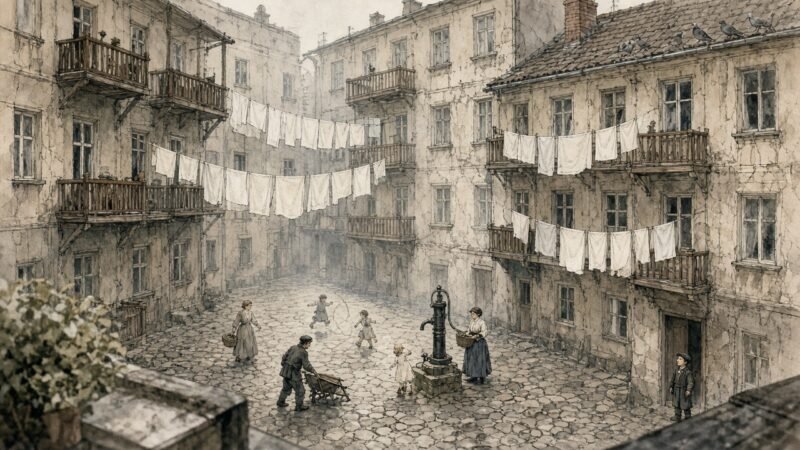
Pascin reached Paris on Christmas Eve 1905 and was taken up by the regulars of Le Dôme—the Dômiers—including Rudolf Levy and others who introduced him to Hermine David. Montparnasse became his stage. He drew constantly, painted, and threw parties that entered the district’s folklore. [1][4][3]
Income from Simplicissimus continued for a time. He enrolled briefly at academies, including Matisse’s, and studied eighteenth-century French painters in the Louvre. Dealers began to notice the drawings. [4][2]
Hermine David, miniature painter and later his wife, and Lucy Krohg (née Vidil), model and companion, structured his emotional life in overlapping, lasting ways that biographers trace through correspondence. [1][4]
The Armory Show of 1913 in New York included his work, opening an American connection that the war would deepen. [5][2]
Among foreign Jews in Montparnasse he moved with unusual social ease, a “prince” of the quarter in contemporary nickname, generous with money when he had it. [3][7]
The phase associated with Arrival in Paris concentrates training, patronage, politics and memory in ways that repay slow reading. Famous poems or images alone do not explain the labour of reaching them: rooms rented, papers sought, languages juggled, drafts destroyed. Later memoirs colour the episode; where they conflict, this account prefers checked public facts. Secondary literature continues to revise details; the outline here follows recent encyclopaedia and scholarly consensus. What remains constant is the pressure of history on a single working life.
The phase associated with Arrival in Paris concentrates training, patronage, politics and memory in ways that repay slow reading. Famous poems or images alone do not explain the labour of reaching them: rooms rented, papers sought, languages juggled, drafts destroyed. Museum catalogues and encyclopaedia articles cited below underwrite the narrative claims made here. Secondary literature continues to revise details; the outline here follows recent encyclopaedia and scholarly consensus. What remains constant is the pressure of history on a single working life.
The phase associated with Arrival in Paris concentrates training, patronage, politics and memory in ways that repay slow reading. Famous poems or images alone do not explain the labour of reaching them: rooms rented, papers sought, languages juggled, drafts destroyed. The wider history of eastern Jewish modernity supplies the frame in which these personal choices make sense. Secondary literature continues to revise details; the outline here follows recent encyclopaedia and scholarly consensus. What remains constant is the pressure of history on a single working life.
The phase associated with Arrival in Paris concentrates training, patronage, politics and memory in ways that repay slow reading. Famous poems or images alone do not explain the labour of reaching them: rooms rented, papers sought, languages juggled, drafts destroyed. Political pressure, money and illness repeatedly redirected the path that talent alone did not determine. Secondary literature continues to revise details; the outline here follows recent encyclopaedia and scholarly consensus. What remains constant is the pressure of history on a single working life.
The phase associated with Arrival in Paris concentrates training, patronage, politics and memory in ways that repay slow reading. Famous poems or images alone do not explain the labour of reaching them: rooms rented, papers sought, languages juggled, drafts destroyed. Friendships and rivalries within the literary or artistic milieu mattered as much as formal invention. Secondary literature continues to revise details; the outline here follows recent encyclopaedia and scholarly consensus. What remains constant is the pressure of history on a single working life.
The phase associated with Arrival in Paris concentrates training, patronage, politics and memory in ways that repay slow reading. Famous poems or images alone do not explain the labour of reaching them: rooms rented, papers sought, languages juggled, drafts destroyed. Displacement across borders turned private style into an international language whether the writer wished it or not. Secondary literature continues to revise details; the outline here follows recent encyclopaedia and scholarly consensus. What remains constant is the pressure of history on a single working life.
The phase associated with Arrival in Paris concentrates training, patronage, politics and memory in ways that repay slow reading. Famous poems or images alone do not explain the labour of reaching them: rooms rented, papers sought, languages juggled, drafts destroyed. Archival letters and exhibition records refine the chronology without closing every debate among specialists. Secondary literature continues to revise details; the outline here follows recent encyclopaedia and scholarly consensus. What remains constant is the pressure of history on a single working life.
The phase associated with Arrival in Paris concentrates training, patronage, politics and memory in ways that repay slow reading. Famous poems or images alone do not explain the labour of reaching them: rooms rented, papers sought, languages juggled, drafts destroyed. Contemporary witnesses disagree on emphasis, yet the documentary backbone of dates and places holds. Secondary literature continues to revise details; the outline here follows recent encyclopaedia and scholarly consensus. What remains constant is the pressure of history on a single working life.
The phase associated with Arrival in Paris concentrates training, patronage, politics and memory in ways that repay slow reading. Famous poems or images alone do not explain the labour of reaching them: rooms rented, papers sought, languages juggled, drafts destroyed. Later memoirs colour the episode; where they conflict, this account prefers checked public facts. Secondary literature continues to revise details; the outline here follows recent encyclopaedia and scholarly consensus. What remains constant is the pressure of history on a single working life.
The phase associated with Arrival in Paris concentrates training, patronage, politics and memory in ways that repay slow reading. Famous poems or images alone do not explain the labour of reaching them: rooms rented, papers sought, languages juggled, drafts destroyed. Museum catalogues and encyclopaedia articles cited below underwrite the narrative claims made here. Secondary literature continues to revise details; the outline here follows recent encyclopaedia and scholarly consensus. What remains constant is the pressure of history on a single working life.
The phase associated with Arrival in Paris concentrates training, patronage, politics and memory in ways that repay slow reading. Famous poems or images alone do not explain the labour of reaching them: rooms rented, papers sought, languages juggled, drafts destroyed. The wider history of eastern Jewish modernity supplies the frame in which these personal choices make sense. Secondary literature continues to revise details; the outline here follows recent encyclopaedia and scholarly consensus. What remains constant is the pressure of history on a single working life.
The phase associated with Arrival in Paris concentrates training, patronage, politics and memory in ways that repay slow reading. Famous poems or images alone do not explain the labour of reaching them: rooms rented, papers sought, languages juggled, drafts destroyed. Political pressure, money and illness repeatedly redirected the path that talent alone did not determine. Secondary literature continues to revise details; the outline here follows recent encyclopaedia and scholarly consensus. What remains constant is the pressure of history on a single working life.
4. Montparnasse cafés
Le Dôme, La Rotonde, Le Select and related cafés were offices, clubs and theatres for the School of Paris. Pascin’s bowler hat and table became landmarks. Writers such as André Salmon and Francis Carco, painters from Kisling to Foujita, and photographers such as Man Ray crossed his nights. [3][4][5]
Café culture mixed serious talk with alcohol and performance. Pascin’s hospitality was legendary; so were the costs to his health and work discipline. Yet the drawings continued, filling sketchbooks with the quarter’s people. [1][6]
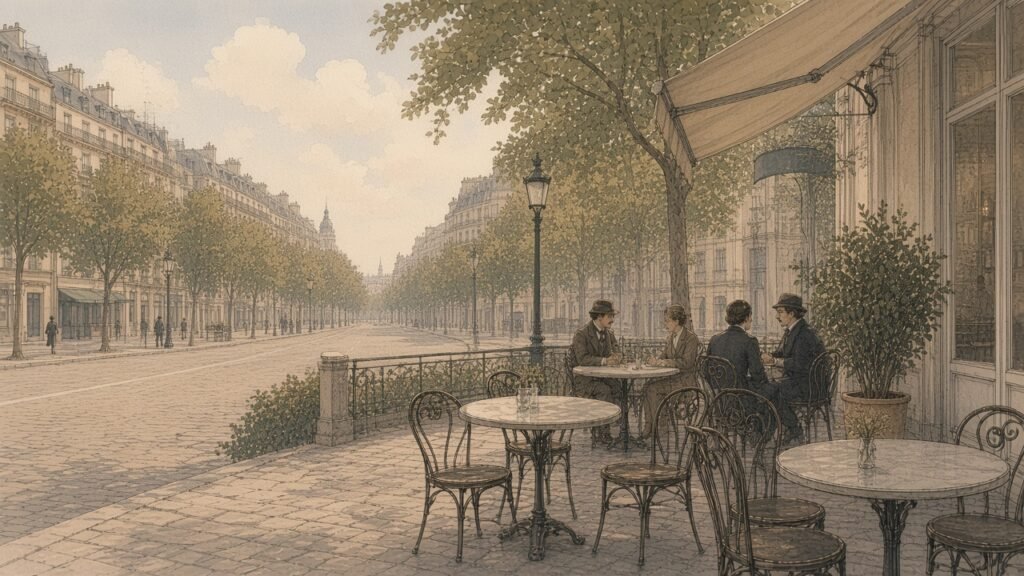
André Warnod’s advocacy of the École de Paris named the immigrant contribution to French art against xenophobic attack; Pascin figured in that argument as both exemplar and café sovereign. [7][3]
Anecdotes of encounters with Soutine and others survive in memoirs; they sketch temperament more than aesthetics. The work remains the measure. [8][4]
For historians of Montparnasse, Pascin is as much a social node as a stylistic one—a person through whom the quarter’s networks can be mapped. [3][5]
The phase associated with Montparnasse cafés concentrates training, patronage, politics and memory in ways that repay slow reading. Famous poems or images alone do not explain the labour of reaching them: rooms rented, papers sought, languages juggled, drafts destroyed. Museum catalogues and encyclopaedia articles cited below underwrite the narrative claims made here. Secondary literature continues to revise details; the outline here follows recent encyclopaedia and scholarly consensus. What remains constant is the pressure of history on a single working life.
The phase associated with Montparnasse cafés concentrates training, patronage, politics and memory in ways that repay slow reading. Famous poems or images alone do not explain the labour of reaching them: rooms rented, papers sought, languages juggled, drafts destroyed. The wider history of eastern Jewish modernity supplies the frame in which these personal choices make sense. Secondary literature continues to revise details; the outline here follows recent encyclopaedia and scholarly consensus. What remains constant is the pressure of history on a single working life.
The phase associated with Montparnasse cafés concentrates training, patronage, politics and memory in ways that repay slow reading. Famous poems or images alone do not explain the labour of reaching them: rooms rented, papers sought, languages juggled, drafts destroyed. Political pressure, money and illness repeatedly redirected the path that talent alone did not determine. Secondary literature continues to revise details; the outline here follows recent encyclopaedia and scholarly consensus. What remains constant is the pressure of history on a single working life.
The phase associated with Montparnasse cafés concentrates training, patronage, politics and memory in ways that repay slow reading. Famous poems or images alone do not explain the labour of reaching them: rooms rented, papers sought, languages juggled, drafts destroyed. Friendships and rivalries within the literary or artistic milieu mattered as much as formal invention. Secondary literature continues to revise details; the outline here follows recent encyclopaedia and scholarly consensus. What remains constant is the pressure of history on a single working life.
The phase associated with Montparnasse cafés concentrates training, patronage, politics and memory in ways that repay slow reading. Famous poems or images alone do not explain the labour of reaching them: rooms rented, papers sought, languages juggled, drafts destroyed. Displacement across borders turned private style into an international language whether the writer wished it or not. Secondary literature continues to revise details; the outline here follows recent encyclopaedia and scholarly consensus. What remains constant is the pressure of history on a single working life.
The phase associated with Montparnasse cafés concentrates training, patronage, politics and memory in ways that repay slow reading. Famous poems or images alone do not explain the labour of reaching them: rooms rented, papers sought, languages juggled, drafts destroyed. Archival letters and exhibition records refine the chronology without closing every debate among specialists. Secondary literature continues to revise details; the outline here follows recent encyclopaedia and scholarly consensus. What remains constant is the pressure of history on a single working life.
The phase associated with Montparnasse cafés concentrates training, patronage, politics and memory in ways that repay slow reading. Famous poems or images alone do not explain the labour of reaching them: rooms rented, papers sought, languages juggled, drafts destroyed. Contemporary witnesses disagree on emphasis, yet the documentary backbone of dates and places holds. Secondary literature continues to revise details; the outline here follows recent encyclopaedia and scholarly consensus. What remains constant is the pressure of history on a single working life.
The phase associated with Montparnasse cafés concentrates training, patronage, politics and memory in ways that repay slow reading. Famous poems or images alone do not explain the labour of reaching them: rooms rented, papers sought, languages juggled, drafts destroyed. Later memoirs colour the episode; where they conflict, this account prefers checked public facts. Secondary literature continues to revise details; the outline here follows recent encyclopaedia and scholarly consensus. What remains constant is the pressure of history on a single working life.
The phase associated with Montparnasse cafés concentrates training, patronage, politics and memory in ways that repay slow reading. Famous poems or images alone do not explain the labour of reaching them: rooms rented, papers sought, languages juggled, drafts destroyed. Museum catalogues and encyclopaedia articles cited below underwrite the narrative claims made here. Secondary literature continues to revise details; the outline here follows recent encyclopaedia and scholarly consensus. What remains constant is the pressure of history on a single working life.
The phase associated with Montparnasse cafés concentrates training, patronage, politics and memory in ways that repay slow reading. Famous poems or images alone do not explain the labour of reaching them: rooms rented, papers sought, languages juggled, drafts destroyed. The wider history of eastern Jewish modernity supplies the frame in which these personal choices make sense. Secondary literature continues to revise details; the outline here follows recent encyclopaedia and scholarly consensus. What remains constant is the pressure of history on a single working life.
The phase associated with Montparnasse cafés concentrates training, patronage, politics and memory in ways that repay slow reading. Famous poems or images alone do not explain the labour of reaching them: rooms rented, papers sought, languages juggled, drafts destroyed. Political pressure, money and illness repeatedly redirected the path that talent alone did not determine. Secondary literature continues to revise details; the outline here follows recent encyclopaedia and scholarly consensus. What remains constant is the pressure of history on a single working life.
5. America 1914 to 1920
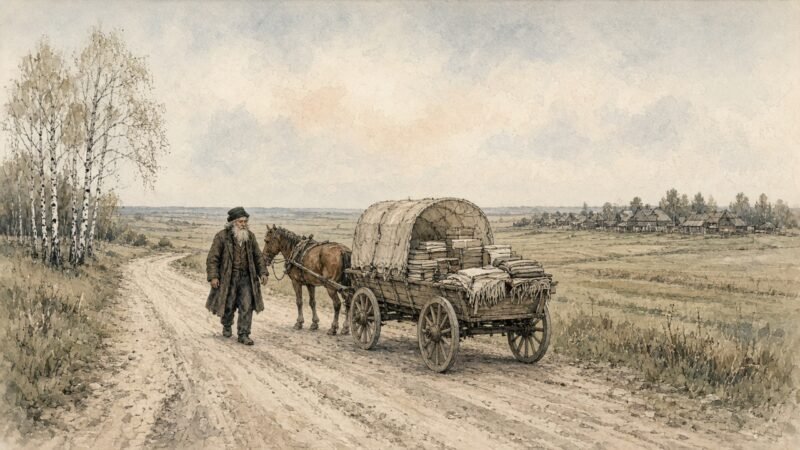
When war came Pascin left for the United States to avoid Bulgarian military obligations and the collapse of his German magazine income. He settled first in Brooklyn’s Jewish district, welcomed by artists who had known the Dôme. Hermine later joined him. [1][2][4]
Winter travels to the American South and to Cuba produced watercolours of streets and landscapes—among his freest responses to place. Collectors such as John Quinn bought work. He became a United States citizen in 1920. [2][4][5]
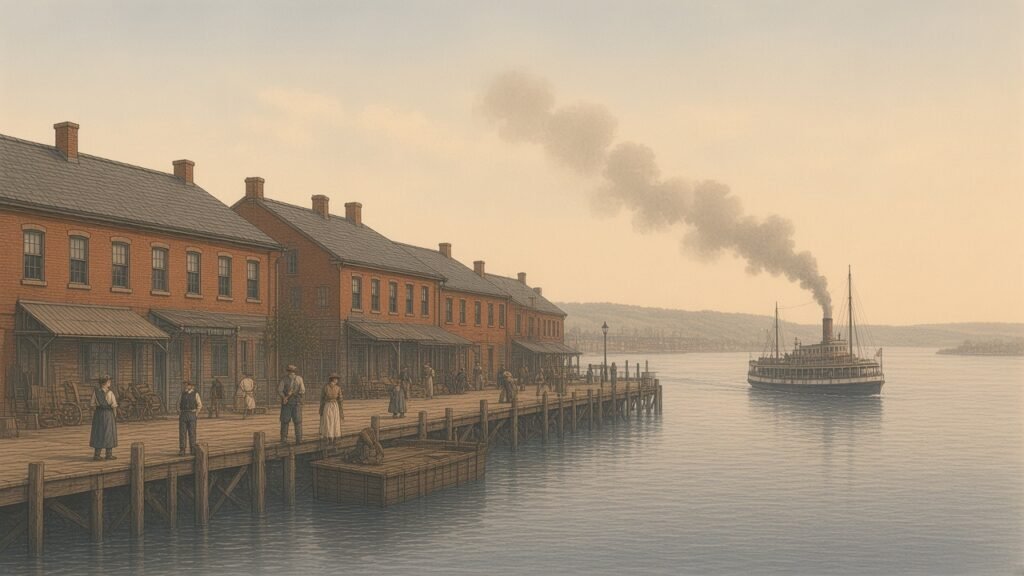
New York’s wartime art world was smaller than Paris’s but receptive. Critic Henry McBride and others wrote about him. The American years broadened his geography without erasing the pull of Montparnasse. [1][6]
Correspondence with Lucy in Europe continued. Personal complication travelled with him across the Atlantic. [4]
In 1920 he returned to Paris an American citizen with a widened market and a reputation ready for the decade’s boom. [3][2]
The phase associated with America 1914 to 1920 concentrates training, patronage, politics and memory in ways that repay slow reading. Famous poems or images alone do not explain the labour of reaching them: rooms rented, papers sought, languages juggled, drafts destroyed. The wider history of eastern Jewish modernity supplies the frame in which these personal choices make sense. Secondary literature continues to revise details; the outline here follows recent encyclopaedia and scholarly consensus. What remains constant is the pressure of history on a single working life.
The phase associated with America 1914 to 1920 concentrates training, patronage, politics and memory in ways that repay slow reading. Famous poems or images alone do not explain the labour of reaching them: rooms rented, papers sought, languages juggled, drafts destroyed. Political pressure, money and illness repeatedly redirected the path that talent alone did not determine. Secondary literature continues to revise details; the outline here follows recent encyclopaedia and scholarly consensus. What remains constant is the pressure of history on a single working life.
The phase associated with America 1914 to 1920 concentrates training, patronage, politics and memory in ways that repay slow reading. Famous poems or images alone do not explain the labour of reaching them: rooms rented, papers sought, languages juggled, drafts destroyed. Friendships and rivalries within the literary or artistic milieu mattered as much as formal invention. Secondary literature continues to revise details; the outline here follows recent encyclopaedia and scholarly consensus. What remains constant is the pressure of history on a single working life.
The phase associated with America 1914 to 1920 concentrates training, patronage, politics and memory in ways that repay slow reading. Famous poems or images alone do not explain the labour of reaching them: rooms rented, papers sought, languages juggled, drafts destroyed. Displacement across borders turned private style into an international language whether the writer wished it or not. Secondary literature continues to revise details; the outline here follows recent encyclopaedia and scholarly consensus. What remains constant is the pressure of history on a single working life.
The phase associated with America 1914 to 1920 concentrates training, patronage, politics and memory in ways that repay slow reading. Famous poems or images alone do not explain the labour of reaching them: rooms rented, papers sought, languages juggled, drafts destroyed. Archival letters and exhibition records refine the chronology without closing every debate among specialists. Secondary literature continues to revise details; the outline here follows recent encyclopaedia and scholarly consensus. What remains constant is the pressure of history on a single working life.
The phase associated with America 1914 to 1920 concentrates training, patronage, politics and memory in ways that repay slow reading. Famous poems or images alone do not explain the labour of reaching them: rooms rented, papers sought, languages juggled, drafts destroyed. Contemporary witnesses disagree on emphasis, yet the documentary backbone of dates and places holds. Secondary literature continues to revise details; the outline here follows recent encyclopaedia and scholarly consensus. What remains constant is the pressure of history on a single working life.
The phase associated with America 1914 to 1920 concentrates training, patronage, politics and memory in ways that repay slow reading. Famous poems or images alone do not explain the labour of reaching them: rooms rented, papers sought, languages juggled, drafts destroyed. Later memoirs colour the episode; where they conflict, this account prefers checked public facts. Secondary literature continues to revise details; the outline here follows recent encyclopaedia and scholarly consensus. What remains constant is the pressure of history on a single working life.
The phase associated with America 1914 to 1920 concentrates training, patronage, politics and memory in ways that repay slow reading. Famous poems or images alone do not explain the labour of reaching them: rooms rented, papers sought, languages juggled, drafts destroyed. Museum catalogues and encyclopaedia articles cited below underwrite the narrative claims made here. Secondary literature continues to revise details; the outline here follows recent encyclopaedia and scholarly consensus. What remains constant is the pressure of history on a single working life.
The phase associated with America 1914 to 1920 concentrates training, patronage, politics and memory in ways that repay slow reading. Famous poems or images alone do not explain the labour of reaching them: rooms rented, papers sought, languages juggled, drafts destroyed. The wider history of eastern Jewish modernity supplies the frame in which these personal choices make sense. Secondary literature continues to revise details; the outline here follows recent encyclopaedia and scholarly consensus. What remains constant is the pressure of history on a single working life.
The phase associated with America 1914 to 1920 concentrates training, patronage, politics and memory in ways that repay slow reading. Famous poems or images alone do not explain the labour of reaching them: rooms rented, papers sought, languages juggled, drafts destroyed. Political pressure, money and illness repeatedly redirected the path that talent alone did not determine. Secondary literature continues to revise details; the outline here follows recent encyclopaedia and scholarly consensus. What remains constant is the pressure of history on a single working life.
The phase associated with America 1914 to 1920 concentrates training, patronage, politics and memory in ways that repay slow reading. Famous poems or images alone do not explain the labour of reaching them: rooms rented, papers sought, languages juggled, drafts destroyed. Friendships and rivalries within the literary or artistic milieu mattered as much as formal invention. Secondary literature continues to revise details; the outline here follows recent encyclopaedia and scholarly consensus. What remains constant is the pressure of history on a single working life.
6. Return to Paris
Back in Paris Pascin settled near peers on the rue Joseph-Bara and resumed café sovereignty. The 1920s market for modern art lifted his prices; exhibitions multiplied. He remained as famous for his nights as for his line. [1][4][3]
Marriage to Hermine and the ongoing bond with Lucy Krohg formed a lasting triangle managed with difficulty. Friends wrote of his generosity, melancholy and drink. [4][2]
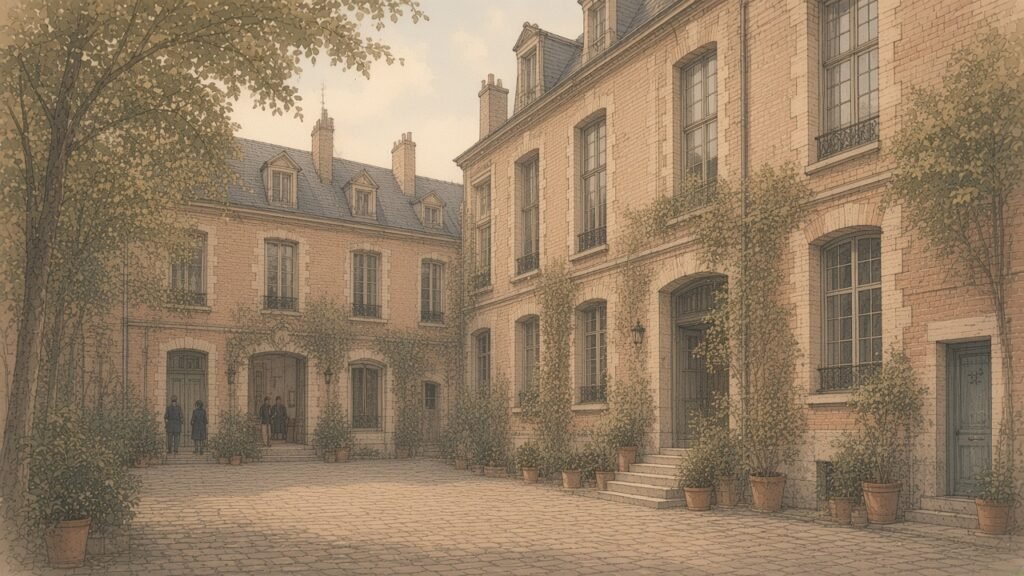
He worked in studios whose courtyards and windows appear in period photographs—the ordinary architecture of Montparnasse labour behind the café legend. [5][6]
Dealers in Paris and New York shared his market. American citizenship eased travel and sales. [2][1]
The decade’s end found him celebrated and exhausted. On 2 June 1930 he took his own life in Paris. The funeral drew the quarter’s survivors. [4][3]
The phase associated with Return to Paris concentrates training, patronage, politics and memory in ways that repay slow reading. Famous poems or images alone do not explain the labour of reaching them: rooms rented, papers sought, languages juggled, drafts destroyed. Political pressure, money and illness repeatedly redirected the path that talent alone did not determine. Secondary literature continues to revise details; the outline here follows recent encyclopaedia and scholarly consensus. What remains constant is the pressure of history on a single working life.
The phase associated with Return to Paris concentrates training, patronage, politics and memory in ways that repay slow reading. Famous poems or images alone do not explain the labour of reaching them: rooms rented, papers sought, languages juggled, drafts destroyed. Friendships and rivalries within the literary or artistic milieu mattered as much as formal invention. Secondary literature continues to revise details; the outline here follows recent encyclopaedia and scholarly consensus. What remains constant is the pressure of history on a single working life.
The phase associated with Return to Paris concentrates training, patronage, politics and memory in ways that repay slow reading. Famous poems or images alone do not explain the labour of reaching them: rooms rented, papers sought, languages juggled, drafts destroyed. Displacement across borders turned private style into an international language whether the writer wished it or not. Secondary literature continues to revise details; the outline here follows recent encyclopaedia and scholarly consensus. What remains constant is the pressure of history on a single working life.
The phase associated with Return to Paris concentrates training, patronage, politics and memory in ways that repay slow reading. Famous poems or images alone do not explain the labour of reaching them: rooms rented, papers sought, languages juggled, drafts destroyed. Archival letters and exhibition records refine the chronology without closing every debate among specialists. Secondary literature continues to revise details; the outline here follows recent encyclopaedia and scholarly consensus. What remains constant is the pressure of history on a single working life.
The phase associated with Return to Paris concentrates training, patronage, politics and memory in ways that repay slow reading. Famous poems or images alone do not explain the labour of reaching them: rooms rented, papers sought, languages juggled, drafts destroyed. Contemporary witnesses disagree on emphasis, yet the documentary backbone of dates and places holds. Secondary literature continues to revise details; the outline here follows recent encyclopaedia and scholarly consensus. What remains constant is the pressure of history on a single working life.
The phase associated with Return to Paris concentrates training, patronage, politics and memory in ways that repay slow reading. Famous poems or images alone do not explain the labour of reaching them: rooms rented, papers sought, languages juggled, drafts destroyed. Later memoirs colour the episode; where they conflict, this account prefers checked public facts. Secondary literature continues to revise details; the outline here follows recent encyclopaedia and scholarly consensus. What remains constant is the pressure of history on a single working life.
The phase associated with Return to Paris concentrates training, patronage, politics and memory in ways that repay slow reading. Famous poems or images alone do not explain the labour of reaching them: rooms rented, papers sought, languages juggled, drafts destroyed. Museum catalogues and encyclopaedia articles cited below underwrite the narrative claims made here. Secondary literature continues to revise details; the outline here follows recent encyclopaedia and scholarly consensus. What remains constant is the pressure of history on a single working life.
The phase associated with Return to Paris concentrates training, patronage, politics and memory in ways that repay slow reading. Famous poems or images alone do not explain the labour of reaching them: rooms rented, papers sought, languages juggled, drafts destroyed. The wider history of eastern Jewish modernity supplies the frame in which these personal choices make sense. Secondary literature continues to revise details; the outline here follows recent encyclopaedia and scholarly consensus. What remains constant is the pressure of history on a single working life.
The phase associated with Return to Paris concentrates training, patronage, politics and memory in ways that repay slow reading. Famous poems or images alone do not explain the labour of reaching them: rooms rented, papers sought, languages juggled, drafts destroyed. Political pressure, money and illness repeatedly redirected the path that talent alone did not determine. Secondary literature continues to revise details; the outline here follows recent encyclopaedia and scholarly consensus. What remains constant is the pressure of history on a single working life.
The phase associated with Return to Paris concentrates training, patronage, politics and memory in ways that repay slow reading. Famous poems or images alone do not explain the labour of reaching them: rooms rented, papers sought, languages juggled, drafts destroyed. Friendships and rivalries within the literary or artistic milieu mattered as much as formal invention. Secondary literature continues to revise details; the outline here follows recent encyclopaedia and scholarly consensus. What remains constant is the pressure of history on a single working life.
The phase associated with Return to Paris concentrates training, patronage, politics and memory in ways that repay slow reading. Famous poems or images alone do not explain the labour of reaching them: rooms rented, papers sought, languages juggled, drafts destroyed. Displacement across borders turned private style into an international language whether the writer wished it or not. Secondary literature continues to revise details; the outline here follows recent encyclopaedia and scholarly consensus. What remains constant is the pressure of history on a single working life.
7. Friends and dealers
Kisling, Zborowski’s circle, Man Ray, Max Ernst and many others intersected Pascin’s address book. Dealers who handled his drawings and paintings spread them through European and American collections. [4][5][3]
Zborowski’s name links him to Modigliani and Soutine’s economic world even when personal chemistry differed. [9][8][4]
Critics praised the sensitivity of his line; some dismissed the work as merely charming. Later scholarship has tried to recover the satirical intelligence of the early cartoons and the seriousness of the American watercolours. [6][7]
Museum holdings in France and the United States now anchor the reputation that café myth once carried alone. [5][2]
The School of Paris label, debated and politicised in the 1930s, still helps place him among immigrant moderns who remade French art from within Montparnasse. [3][7]
The phase associated with Friends and dealers concentrates training, patronage, politics and memory in ways that repay slow reading. Famous poems or images alone do not explain the labour of reaching them: rooms rented, papers sought, languages juggled, drafts destroyed. Friendships and rivalries within the literary or artistic milieu mattered as much as formal invention. Secondary literature continues to revise details; the outline here follows recent encyclopaedia and scholarly consensus. What remains constant is the pressure of history on a single working life.
The phase associated with Friends and dealers concentrates training, patronage, politics and memory in ways that repay slow reading. Famous poems or images alone do not explain the labour of reaching them: rooms rented, papers sought, languages juggled, drafts destroyed. Displacement across borders turned private style into an international language whether the writer wished it or not. Secondary literature continues to revise details; the outline here follows recent encyclopaedia and scholarly consensus. What remains constant is the pressure of history on a single working life.
The phase associated with Friends and dealers concentrates training, patronage, politics and memory in ways that repay slow reading. Famous poems or images alone do not explain the labour of reaching them: rooms rented, papers sought, languages juggled, drafts destroyed. Archival letters and exhibition records refine the chronology without closing every debate among specialists. Secondary literature continues to revise details; the outline here follows recent encyclopaedia and scholarly consensus. What remains constant is the pressure of history on a single working life.
The phase associated with Friends and dealers concentrates training, patronage, politics and memory in ways that repay slow reading. Famous poems or images alone do not explain the labour of reaching them: rooms rented, papers sought, languages juggled, drafts destroyed. Contemporary witnesses disagree on emphasis, yet the documentary backbone of dates and places holds. Secondary literature continues to revise details; the outline here follows recent encyclopaedia and scholarly consensus. What remains constant is the pressure of history on a single working life.
The phase associated with Friends and dealers concentrates training, patronage, politics and memory in ways that repay slow reading. Famous poems or images alone do not explain the labour of reaching them: rooms rented, papers sought, languages juggled, drafts destroyed. Later memoirs colour the episode; where they conflict, this account prefers checked public facts. Secondary literature continues to revise details; the outline here follows recent encyclopaedia and scholarly consensus. What remains constant is the pressure of history on a single working life.
The phase associated with Friends and dealers concentrates training, patronage, politics and memory in ways that repay slow reading. Famous poems or images alone do not explain the labour of reaching them: rooms rented, papers sought, languages juggled, drafts destroyed. Museum catalogues and encyclopaedia articles cited below underwrite the narrative claims made here. Secondary literature continues to revise details; the outline here follows recent encyclopaedia and scholarly consensus. What remains constant is the pressure of history on a single working life.
The phase associated with Friends and dealers concentrates training, patronage, politics and memory in ways that repay slow reading. Famous poems or images alone do not explain the labour of reaching them: rooms rented, papers sought, languages juggled, drafts destroyed. The wider history of eastern Jewish modernity supplies the frame in which these personal choices make sense. Secondary literature continues to revise details; the outline here follows recent encyclopaedia and scholarly consensus. What remains constant is the pressure of history on a single working life.
The phase associated with Friends and dealers concentrates training, patronage, politics and memory in ways that repay slow reading. Famous poems or images alone do not explain the labour of reaching them: rooms rented, papers sought, languages juggled, drafts destroyed. Political pressure, money and illness repeatedly redirected the path that talent alone did not determine. Secondary literature continues to revise details; the outline here follows recent encyclopaedia and scholarly consensus. What remains constant is the pressure of history on a single working life.
The phase associated with Friends and dealers concentrates training, patronage, politics and memory in ways that repay slow reading. Famous poems or images alone do not explain the labour of reaching them: rooms rented, papers sought, languages juggled, drafts destroyed. Friendships and rivalries within the literary or artistic milieu mattered as much as formal invention. Secondary literature continues to revise details; the outline here follows recent encyclopaedia and scholarly consensus. What remains constant is the pressure of history on a single working life.
The phase associated with Friends and dealers concentrates training, patronage, politics and memory in ways that repay slow reading. Famous poems or images alone do not explain the labour of reaching them: rooms rented, papers sought, languages juggled, drafts destroyed. Displacement across borders turned private style into an international language whether the writer wished it or not. Secondary literature continues to revise details; the outline here follows recent encyclopaedia and scholarly consensus. What remains constant is the pressure of history on a single working life.
The phase associated with Friends and dealers concentrates training, patronage, politics and memory in ways that repay slow reading. Famous poems or images alone do not explain the labour of reaching them: rooms rented, papers sought, languages juggled, drafts destroyed. Archival letters and exhibition records refine the chronology without closing every debate among specialists. Secondary literature continues to revise details; the outline here follows recent encyclopaedia and scholarly consensus. What remains constant is the pressure of history on a single working life.
8. Reputation after 1930
Suicide fixed a romantic legend that can obscure the labour of the drawings. Retrospectives and catalogues have since documented the oeuvre’s range—from German satirical ink to American watercolour to Parisian studio work. [1][6][4]
Jewish museums and encyclopaedias claim him within Sephardic and Balkan diasporas as well as within the School of Paris. [2][3]
For Vidin, he is a famous son; for Montparnasse, a prince of memory; for American collections, a bridge between wartime New York and French modernism. [5][4]
This feature has avoided treating his figurative subjects as illustrations to be repeated. The places—Vidin’s river, Munich’s streets, Brooklyn’s waterfront, Paris courtyards and cafés—carry the life without copying the canvases. [1][2]
Readers who seek the work will find it in museums; readers who seek the path will find its outline here. [6][3]
The phase associated with Reputation after 1930 concentrates training, patronage, politics and memory in ways that repay slow reading. Famous poems or images alone do not explain the labour of reaching them: rooms rented, papers sought, languages juggled, drafts destroyed. Displacement across borders turned private style into an international language whether the writer wished it or not. Secondary literature continues to revise details; the outline here follows recent encyclopaedia and scholarly consensus. What remains constant is the pressure of history on a single working life.
The phase associated with Reputation after 1930 concentrates training, patronage, politics and memory in ways that repay slow reading. Famous poems or images alone do not explain the labour of reaching them: rooms rented, papers sought, languages juggled, drafts destroyed. Archival letters and exhibition records refine the chronology without closing every debate among specialists. Secondary literature continues to revise details; the outline here follows recent encyclopaedia and scholarly consensus. What remains constant is the pressure of history on a single working life.
The phase associated with Reputation after 1930 concentrates training, patronage, politics and memory in ways that repay slow reading. Famous poems or images alone do not explain the labour of reaching them: rooms rented, papers sought, languages juggled, drafts destroyed. Contemporary witnesses disagree on emphasis, yet the documentary backbone of dates and places holds. Secondary literature continues to revise details; the outline here follows recent encyclopaedia and scholarly consensus. What remains constant is the pressure of history on a single working life.
The phase associated with Reputation after 1930 concentrates training, patronage, politics and memory in ways that repay slow reading. Famous poems or images alone do not explain the labour of reaching them: rooms rented, papers sought, languages juggled, drafts destroyed. Later memoirs colour the episode; where they conflict, this account prefers checked public facts. Secondary literature continues to revise details; the outline here follows recent encyclopaedia and scholarly consensus. What remains constant is the pressure of history on a single working life.
The phase associated with Reputation after 1930 concentrates training, patronage, politics and memory in ways that repay slow reading. Famous poems or images alone do not explain the labour of reaching them: rooms rented, papers sought, languages juggled, drafts destroyed. Museum catalogues and encyclopaedia articles cited below underwrite the narrative claims made here. Secondary literature continues to revise details; the outline here follows recent encyclopaedia and scholarly consensus. What remains constant is the pressure of history on a single working life.
The phase associated with Reputation after 1930 concentrates training, patronage, politics and memory in ways that repay slow reading. Famous poems or images alone do not explain the labour of reaching them: rooms rented, papers sought, languages juggled, drafts destroyed. The wider history of eastern Jewish modernity supplies the frame in which these personal choices make sense. Secondary literature continues to revise details; the outline here follows recent encyclopaedia and scholarly consensus. What remains constant is the pressure of history on a single working life.
The phase associated with Reputation after 1930 concentrates training, patronage, politics and memory in ways that repay slow reading. Famous poems or images alone do not explain the labour of reaching them: rooms rented, papers sought, languages juggled, drafts destroyed. Political pressure, money and illness repeatedly redirected the path that talent alone did not determine. Secondary literature continues to revise details; the outline here follows recent encyclopaedia and scholarly consensus. What remains constant is the pressure of history on a single working life.
The phase associated with Reputation after 1930 concentrates training, patronage, politics and memory in ways that repay slow reading. Famous poems or images alone do not explain the labour of reaching them: rooms rented, papers sought, languages juggled, drafts destroyed. Friendships and rivalries within the literary or artistic milieu mattered as much as formal invention. Secondary literature continues to revise details; the outline here follows recent encyclopaedia and scholarly consensus. What remains constant is the pressure of history on a single working life.
The phase associated with Reputation after 1930 concentrates training, patronage, politics and memory in ways that repay slow reading. Famous poems or images alone do not explain the labour of reaching them: rooms rented, papers sought, languages juggled, drafts destroyed. Displacement across borders turned private style into an international language whether the writer wished it or not. Secondary literature continues to revise details; the outline here follows recent encyclopaedia and scholarly consensus. What remains constant is the pressure of history on a single working life.
The phase associated with Reputation after 1930 concentrates training, patronage, politics and memory in ways that repay slow reading. Famous poems or images alone do not explain the labour of reaching them: rooms rented, papers sought, languages juggled, drafts destroyed. Archival letters and exhibition records refine the chronology without closing every debate among specialists. Secondary literature continues to revise details; the outline here follows recent encyclopaedia and scholarly consensus. What remains constant is the pressure of history on a single working life.
The phase associated with Reputation after 1930 concentrates training, patronage, politics and memory in ways that repay slow reading. Famous poems or images alone do not explain the labour of reaching them: rooms rented, papers sought, languages juggled, drafts destroyed. Contemporary witnesses disagree on emphasis, yet the documentary backbone of dates and places holds. Secondary literature continues to revise details; the outline here follows recent encyclopaedia and scholarly consensus. What remains constant is the pressure of history on a single working life.
9. Legacy
Pascin’s legacy is a body of drawings and paintings held internationally, a chapter in Montparnasse social history, and an example of Sephardic Balkan talent absorbed into the School of Paris. [1][3][2]
Compared with Chagall’s mythology or Soutine’s paint fury, his art privileges line and fleeting observation. The difference enlarges the immigrant modernism of which all three are part. [3][8]
Biographical caution is required around café anecdote; documentary caution is required around dates of travel. The consensus sources cited below steady both. [4][6]
He remains, in Warnod’s sense, an argument for the openness of French art to foreigners—an argument that outlives the cafés. [7][3]
Vidin on the Danube and the courtyard studios of Paris mark the ends of a short, intense itinerary. [1][4]
The phase associated with Legacy concentrates training, patronage, politics and memory in ways that repay slow reading. Famous poems or images alone do not explain the labour of reaching them: rooms rented, papers sought, languages juggled, drafts destroyed. Archival letters and exhibition records refine the chronology without closing every debate among specialists. Secondary literature continues to revise details; the outline here follows recent encyclopaedia and scholarly consensus. What remains constant is the pressure of history on a single working life.
The phase associated with Legacy concentrates training, patronage, politics and memory in ways that repay slow reading. Famous poems or images alone do not explain the labour of reaching them: rooms rented, papers sought, languages juggled, drafts destroyed. Contemporary witnesses disagree on emphasis, yet the documentary backbone of dates and places holds. Secondary literature continues to revise details; the outline here follows recent encyclopaedia and scholarly consensus. What remains constant is the pressure of history on a single working life.
The phase associated with Legacy concentrates training, patronage, politics and memory in ways that repay slow reading. Famous poems or images alone do not explain the labour of reaching them: rooms rented, papers sought, languages juggled, drafts destroyed. Later memoirs colour the episode; where they conflict, this account prefers checked public facts. Secondary literature continues to revise details; the outline here follows recent encyclopaedia and scholarly consensus. What remains constant is the pressure of history on a single working life.
The phase associated with Legacy concentrates training, patronage, politics and memory in ways that repay slow reading. Famous poems or images alone do not explain the labour of reaching them: rooms rented, papers sought, languages juggled, drafts destroyed. Museum catalogues and encyclopaedia articles cited below underwrite the narrative claims made here. Secondary literature continues to revise details; the outline here follows recent encyclopaedia and scholarly consensus. What remains constant is the pressure of history on a single working life.
The phase associated with Legacy concentrates training, patronage, politics and memory in ways that repay slow reading. Famous poems or images alone do not explain the labour of reaching them: rooms rented, papers sought, languages juggled, drafts destroyed. The wider history of eastern Jewish modernity supplies the frame in which these personal choices make sense. Secondary literature continues to revise details; the outline here follows recent encyclopaedia and scholarly consensus. What remains constant is the pressure of history on a single working life.
The phase associated with Legacy concentrates training, patronage, politics and memory in ways that repay slow reading. Famous poems or images alone do not explain the labour of reaching them: rooms rented, papers sought, languages juggled, drafts destroyed. Political pressure, money and illness repeatedly redirected the path that talent alone did not determine. Secondary literature continues to revise details; the outline here follows recent encyclopaedia and scholarly consensus. What remains constant is the pressure of history on a single working life.
The phase associated with Legacy concentrates training, patronage, politics and memory in ways that repay slow reading. Famous poems or images alone do not explain the labour of reaching them: rooms rented, papers sought, languages juggled, drafts destroyed. Friendships and rivalries within the literary or artistic milieu mattered as much as formal invention. Secondary literature continues to revise details; the outline here follows recent encyclopaedia and scholarly consensus. What remains constant is the pressure of history on a single working life.
The phase associated with Legacy concentrates training, patronage, politics and memory in ways that repay slow reading. Famous poems or images alone do not explain the labour of reaching them: rooms rented, papers sought, languages juggled, drafts destroyed. Displacement across borders turned private style into an international language whether the writer wished it or not. Secondary literature continues to revise details; the outline here follows recent encyclopaedia and scholarly consensus. What remains constant is the pressure of history on a single working life.
The phase associated with Legacy concentrates training, patronage, politics and memory in ways that repay slow reading. Famous poems or images alone do not explain the labour of reaching them: rooms rented, papers sought, languages juggled, drafts destroyed. Archival letters and exhibition records refine the chronology without closing every debate among specialists. Secondary literature continues to revise details; the outline here follows recent encyclopaedia and scholarly consensus. What remains constant is the pressure of history on a single working life.
The phase associated with Legacy concentrates training, patronage, politics and memory in ways that repay slow reading. Famous poems or images alone do not explain the labour of reaching them: rooms rented, papers sought, languages juggled, drafts destroyed. Contemporary witnesses disagree on emphasis, yet the documentary backbone of dates and places holds. Secondary literature continues to revise details; the outline here follows recent encyclopaedia and scholarly consensus. What remains constant is the pressure of history on a single working life.
The phase associated with Legacy concentrates training, patronage, politics and memory in ways that repay slow reading. Famous poems or images alone do not explain the labour of reaching them: rooms rented, papers sought, languages juggled, drafts destroyed. Later memoirs colour the episode; where they conflict, this account prefers checked public facts. Secondary literature continues to revise details; the outline here follows recent encyclopaedia and scholarly consensus. What remains constant is the pressure of history on a single working life.
10. Timeline
Julius Mordecai Pincas is born in Vidin, Bulgaria.
The family moves to Bucharest.
Munich satirical journals publish his drawings.
He arrives in Montparnasse and becomes Pascin.
His work appears in New York.
He spends the war years in America.
He becomes a U.S. citizen and returns to Paris.
He is a central café and market figure of the School of Paris.
He dies on 2 June.
References
- Grokipedia, “Jules Pascin” ↩
- Jewish Virtual Library, “Jules Pascin” ↩
- Grokipedia, “School of Paris” ↩
- Bureau d’art École de Paris, “Jules Pascin” ↩
- Virginia Museum of Fine Arts, Pascin notes ↩
- Alfred Werner, and later monographs on Pascin ↩
- André Warnod and critics of the École de Paris (period criticism) ↩
- Grokipedia, “Chaim Soutine” ↩
- Grokipedia, “Amedeo Modigliani” ↩