The Discovery of HIV and the Long Search for the AIDS Virus
In the late spring of 1981, the United States Centers for Disease Control in Atlanta, Georgia, the federal agency responsible for tracking the public health of the American population, began to receive a small cluster of reports from clinicians in Los Angeles, San Francisco, and New York City about a very unusual pattern of illness. The patients were young men, almost all of them gay, and they were presenting with a set of opportunistic infections that, taken together, would, in the normal course of events, have been extraordinarily rare in this population: Pneumocystis carinii pneumonia, a lung infection that had previously been seen almost exclusively in severely immunocompromised patients; Kaposi’s sarcoma, a cancer of the blood vessel walls that had previously been a rare disease of elderly Mediterranean men; and a number of other unusual infections, including a severe fungal infection of the esophagus called candidiasis, a severe protozoal infection of the brain called toxoplasmosis, and a severe viral infection called cytomegalovirus. The patients had, in addition, a very characteristic pattern of immune deficiency: their blood contained very low numbers of a particular kind of white blood cell, the T-helper cell, also called the CD4-positive T cell, that is the principal orchestrator of the immune response in the human body. The patients’ immune systems had, in some sense, been turned off, and the patients’ bodies were, in consequence, vulnerable to a wide range of infections that a normally functioning immune system would have been able to control. The CDC, in the summer of 1981, was not yet in a position to identify the cause of this new pattern of illness, but the agency was, in the summer of 1981, already concerned that the pattern was not a coincidence: the cases were too clustered, by date and by geography and by patient population, to be explained by chance. The CDC’s Morbidity and Mortality Weekly Report, on 5 June 1981, published the first clinical report of what would, within a year, become known as Acquired Immune Deficiency Syndrome, AIDS. The disease, in the years that followed, would, in scale and in consequence, prove to be one of the most devastating pandemics of the modern era, would transform the practice of medicine and the public health response to infectious disease, would transform the social and political discussion of sexuality and of public health, and would, in 2008, claim the lives of more than 25 million people worldwide, with an additional 33 million people living with the causative virus at the time.
The clinical recognition of the syndrome, 1981 to 1983
The clinical recognition of AIDS, in the period between the summer of 1981 and the early months of 1983, was a slow and difficult process, and the recognition involved a number of the principal actors of the modern American public health establishment. The first report of the syndrome, in the 5 June 1981 issue of the CDC’s Morbidity and Mortality Weekly Report, was a brief notice about five cases of Pneumocystis carinii pneumonia in previously healthy young men in Los Angeles, and the report was, in the early days, treated as a curiosity rather than as a public health emergency. The second report, in the 4 July 1981 issue, was a similar notice about twenty-six cases of Kaposi’s sarcoma, also in young gay men, and the second report was, like the first, treated as a curiosity. The third report, in the 28 August 1981 issue, was a more comprehensive account of the clinical pattern, and the report was, in this case, the first to use the term ‘AIDS’ (or, more accurately, the term that would be the forerunner of the term ‘AIDS’). The term that was actually used in the early days was a number of different terms, including ‘the gay plague’, ‘GRID’ (Gay-Related Immune Deficiency), ‘community-acquired immune dysfunction’, and ‘the 4H disease’ (the four H’s being Haitians, Homosexuals, Heroin users, and Hemophiliacs). The term ‘AIDS’, Acquired Immune Deficiency Syndrome, was coined, in 1982, by a group of public health researchers who felt that the existing terms were either stigmatising or inaccurate. The CDC, in September 1982, adopted the term ‘AIDS’ as the official designation, and the term has, since that time, been the standard designation in the medical and public health literature.
The clinical recognition of AIDS, in 1981 and 1982, was accompanied by an active debate about the possible cause of the syndrome. The principal hypotheses, in the early days, included a number of different possibilities: a new infectious agent, possibly viral; a long-term consequence of the use of recreational drugs, particularly the amyl and butyl nitrites that were popular in the gay community in the late 1970s and early 1980s; a consequence of multiple sexually transmitted infections; a consequence of the use of immunosuppressive drugs; and a number of other, less prominent hypotheses. The epidemiological pattern, as it emerged in 1981 and 1982, gradually ruled out the non-infectious hypotheses and increasingly supported the hypothesis of a new infectious agent. The principal epidemiological features that pointed to a new infectious agent were: the clustering of cases by patient population (gay men, intravenous drug users, haemophiliacs, recipients of blood transfusions, infants born to infected mothers); the clustering of cases by geography (initially, the major coastal cities of the United States, particularly San Francisco, Los Angeles, and New York); the apparent long latency period between the presumed infection and the development of the clinical syndrome (an average of 8 to 10 years in the early studies); the apparent transmission by blood and by sexual contact; and the absence of any clear environmental or behavioural factor that could account for the pattern. The epidemiological evidence, by the end of 1982, was strongly suggestive of a new infectious agent, and the search for the agent, in the early months of 1983, had become one of the most active areas of biomedical research in the world.
The clinical recognition of AIDS, in 1981 and 1982, was also accompanied by a major public health response. The CDC, in the early months of 1982, established a surveillance system for the syndrome, and the surveillance system, in the course of 1982, identified a rapidly growing number of cases. The first major epidemiological study of the syndrome, published in the American Journal of Medicine in 1982, identified 270 cases from the first year of the surveillance, and the study confirmed the principal epidemiological features that pointed to a new infectious agent. The Public Health Service, in 1982 and 1983, established a series of advisory committees and working groups to develop a coordinated response to the syndrome, and the response included the development of new diagnostic tests, the development of new surveillance systems, the development of new public health guidelines for the prevention of transmission, and the development of new research programmes for the identification of the causative agent and the development of effective treatments. The public health response, in the early years of the syndrome, was complicated by a number of factors: the political sensitivity of the syndrome, which was, in the early days, primarily affecting gay men and intravenous drug users; the lack of a clear understanding of the causative agent, which made the development of effective public health interventions difficult; the lack of effective treatments, which made the prognosis of the syndrome very poor; and the social stigma associated with the syndrome, which made the development of effective public health campaigns difficult. The public health response, in the early years of the syndrome, was, in many respects, inadequate, and the inadequacy of the response was, in the years that followed, a major focus of criticism from the affected communities, from the public health community, and from the broader scholarly and policy community.
The search for the virus, 1982 to 1984
The search for the causative agent of AIDS, in 1982 and 1983, was one of the most intense and competitive scientific searches in the modern history of biomedical research. The principal competitors in the search were three groups: a group at the Pasteur Institute in Paris, led by Luc Montagnier, a French virologist who had spent much of his career working on retroviruses and who had, by 1982, established a major retrovirus research programme at the Pasteur Institute; a group at the National Cancer Institute in Bethesda, Maryland, led by Robert Gallo, an American virologist who had spent much of his career working on retroviruses, particularly the human T-lymphotropic viruses, and who had, by 1982, established a major retrovirus research programme at the NCI; and a group at the University of California, San Francisco, led by Jay Levy, an American virologist who had spent much of his career working on retroviruses and who had, by 1982, also established a major retrovirus research programme at UCSF. The three groups were, in 1982 and 1983, in active competition to identify the causative agent of AIDS, and the competition was, in many respects, a classic example of the international and inter-institutional competition that has, throughout the history of modern biomedical research, characterised the search for the causative agents of major diseases.
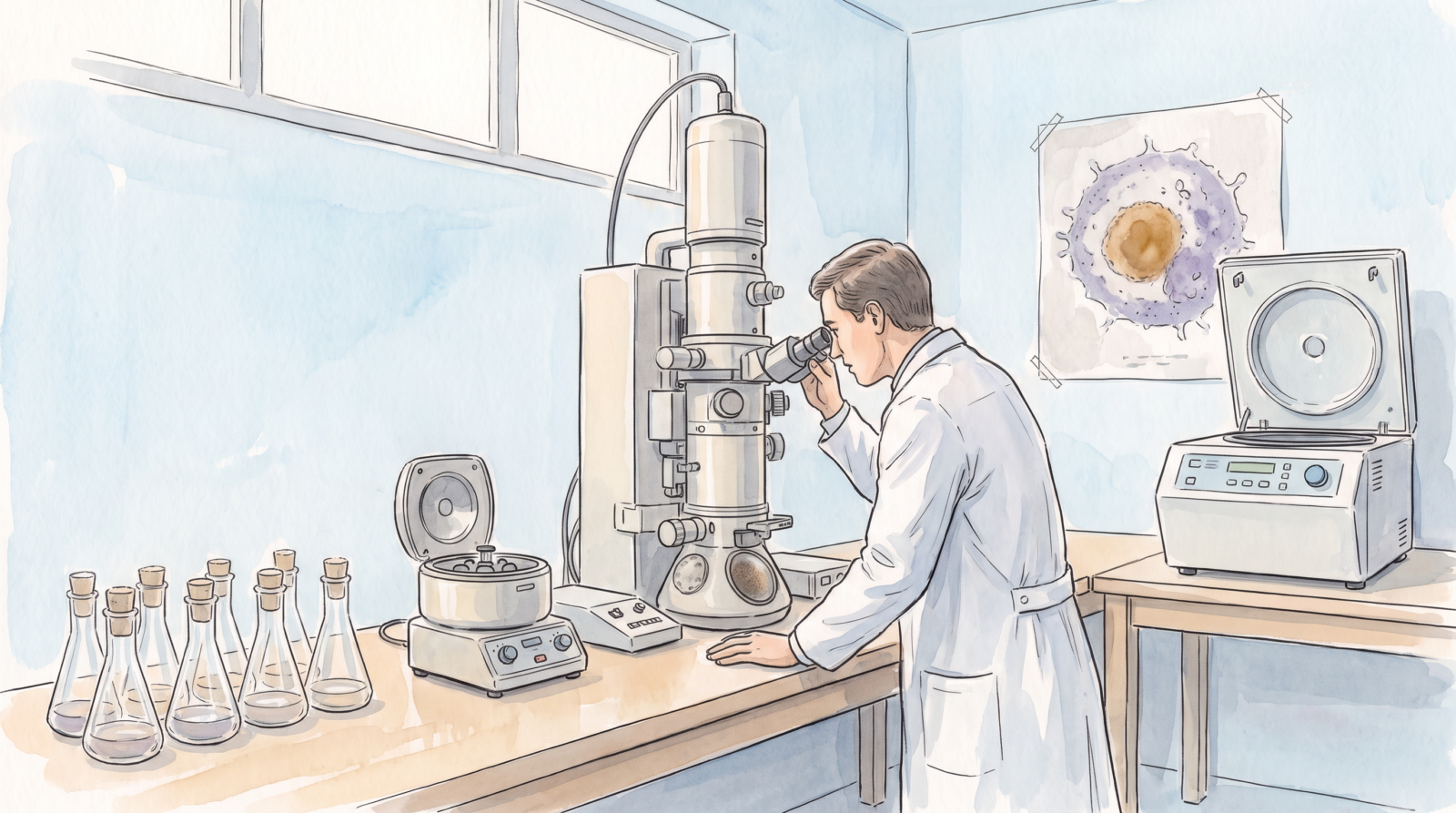
The Pasteur Institute group, under Montagnier’s direction, made the first major breakthrough in the search for the virus. In January 1983, Françoise Barré-Sinoussi, a young virologist in Montagnier’s group, succeeded in isolating a retrovirus from a lymph node biopsy of a patient with AIDS. The virus, which the Pasteur Institute group initially called LAV, Lymphadenopathy-Associated Virus, was, on the basis of its morphology under electron microscopy, its growth characteristics in cell culture, and its immunological properties, clearly distinct from the two previously known human retroviruses, the human T-lymphotropic virus type I (HTLV-I) and the human T-lymphotropic virus type II (HTLV-II). The Pasteur Institute group published the discovery, in the 20 May 1983 issue of the journal Science, in a paper by Barré-Sinoussi, Montagnier, and their colleagues, and the paper was, in the scientific community, received as a major breakthrough in the search for the causative agent of AIDS. The Pasteur Institute group, in the months that followed, continued to characterise the virus, to develop diagnostic tests for the virus, and to provide evidence that the virus was, in fact, the causative agent of AIDS.
The NCI group, under Gallo’s direction, made the second major breakthrough in the search for the virus. In April 1984, Gallo and his colleagues published a series of papers in the journal Science, in which they reported the isolation of a retrovirus from a number of patients with AIDS, and they identified the virus as the cause of AIDS. The virus, which the NCI group called HTLV-III, Human T-Lymphotropic Virus type III, was, on the basis of its immunological and genetic properties, indistinguishable from the LAV that the Pasteur Institute group had reported a year earlier. The NCI group’s publication was, in the American scientific and political community, received as a major breakthrough, and the publication was, in particular, a major political event: the United States Secretary of Health and Human Services, Margaret Heckler, appeared at a press conference at the National Cancer Institute on 23 April 1984, alongside Gallo, and announced that the cause of AIDS had been found and that a vaccine would be available within two years. Heckler’s announcement was, in retrospect, considerably more optimistic than the reality justified: a vaccine for HIV has, in the more than 40 years since the announcement, remained an elusive goal, and the announcement is, in the modern history of biomedical research, often cited as an example of the danger of premature optimism in public health announcements.
The question of priority in the discovery of HIV, between the Pasteur Institute and the NCI, became a major scientific, political, and legal controversy in the years that followed. The controversy had three principal dimensions. The first was the scientific dimension: which group had actually isolated the virus first, and which group had, in fact, provided the conclusive evidence that the virus was the cause of AIDS. The Pasteur Institute group had, on the basis of the available evidence, isolated the virus first, in January 1983, and had, in the May 1983 paper, provided strong evidence that the virus was the cause of AIDS. The NCI group had, in turn, isolated the virus in 1984 and had, in the April 1984 papers, provided the conclusive evidence that the virus was the cause of AIDS. The second was the political dimension: which group would receive the credit for the discovery, and which country’s public health and biomedical research establishment would, in consequence, receive the credit. The third was the legal dimension: who would own the patent on the diagnostic test for the virus, and who would, in consequence, receive the substantial royalties that would, in the years that followed, accrue from the test. The legal dimension was, in particular, a major point of contention: the Pasteur Institute had, in 1983, filed a patent application for a diagnostic test for the virus, and the NCI had, in 1984, filed a patent application for a similar test. The two patent applications were, in the years that followed, the subject of a long legal dispute between the French and the American governments, and the dispute was, in 1987, resolved by a negotiated agreement in which the two governments agreed to share the royalties equally and to recognise the two groups as co-discoverers of the virus.
The virus, which was, in the years that followed, renamed the Human Immunodeficiency Virus, HIV, was, in 1985 and 1986, the subject of further major scientific discoveries. In 1985, a number of groups, including the Pasteur Institute group, the NCI group, and a number of other groups, independently showed that a second, related virus, initially called LAV-II and HTLV-IV and later renamed HIV-2, was also a cause of AIDS, particularly in West Africa. In 1986, the International Committee on Taxonomy of Viruses, in a long-overdue decision, renamed LAV and HTLV-III as the Human Immunodeficiency Virus, HIV, and the term HIV has, since that time, been the standard designation in the medical and scientific literature. The 2008 Nobel Prize in Physiology or Medicine was awarded to Barré-Sinoussi and Montagnier, for the discovery of HIV, and the prize was, in particular, a recognition of the priority of the Pasteur Institute group in the discovery of the virus. The Nobel Prize was, in addition, a major vindication of the Pasteur Institute group in the long priority dispute with the NCI group, and the prize was, in the scientific community, widely seen as a recognition of the French contribution to the discovery of HIV.
The molecular biology of HIV and the long road to treatment
The molecular biology of HIV, in the years that followed the discovery of the virus, proved to be one of the most intensively studied molecular biological systems in the history of biomedical research. The HIV genome, in 1985, was the first retroviral genome to be completely sequenced, and the sequencing of the genome was, in the years that followed, the foundation of a much more detailed understanding of the virus. The HIV genome, on the basis of the sequencing studies, was found to be a single-stranded RNA virus of about 9,800 nucleotides, encoding nine genes, of which three, the gag, the pol, and the env, were the structural and enzymatic genes of the virus, and the remaining six, the tat, the rev, the nef, the vif, the vpr, and the vpu, were the regulatory and accessory genes. The virus, on the basis of the molecular biological studies, was found to be a lentivirus, a subfamily of the retroviruses that was previously known to cause slow, progressive diseases in animals, and the lentivirus classification was, in the years that followed, a major step in the understanding of the disease.
The molecular biology of HIV was, in addition, the foundation of the development of the first diagnostic test for the virus, the ELISA test, which was developed in 1984 and 1985 and which was, in the years that followed, the basis of the blood supply screening programme that was established in the United States and in many other countries in 1985 and 1986. The ELISA test, in its original form, was a test for antibodies to the virus, and the test was, on the basis of the available evidence, both highly sensitive and reasonably specific. The ELISA test, in 1985 and 1986, became the basis of the blood supply screening programme that has, since that time, been one of the major public health interventions in the modern history of the disease, and the screening programme is, in the modern view, one of the most successful public health interventions of the late twentieth century. The molecular biology of HIV, in addition, was the foundation of the development of the first effective treatment for the disease. The first effective treatment, azidothymidine, also known as AZT or zidovudine, was developed in 1985 and 1986 and was approved by the United States Food and Drug Administration in March 1987, and the approval was, in the modern history of the disease, the first major step in the long road to effective treatment.
The long road to effective treatment for HIV, in the years between 1987 and 1996, was, in many respects, a difficult and frustrating one. AZT, in the early studies, was shown to have a modest effect on the disease, but the effect was limited by the rapid development of resistance, by the toxicity of the drug, and by the limited understanding of the disease. The other antiretroviral drugs that were developed in the early 1990s, including didanosine, zalcitabine, stavudine, and lamivudine, were, in the early studies, similarly limited in their effect, and the combination of two or three drugs, in the early 1990s, was the standard of care. The major breakthrough in the treatment of HIV came in 1996, with the development of the highly active antiretroviral therapy, HAART, also known as combination antiretroviral therapy, cART. HAART was based on the combination of three or more antiretroviral drugs from at least two different classes, and the combination, in the 1996 and 1997 studies, was shown to be dramatically more effective than any of the previous treatments. The HAART combination, in the 1996 and 1997 studies, was shown to suppress the virus to undetectable levels in the blood of the majority of patients, and the suppression was shown to be sustained for long periods of time. The HAART combination, in the years that followed, became the standard of care for HIV in the developed world, and the development of HAART was, in the modern history of the disease, the second major step in the long road to effective treatment, after the development of the diagnostic test.
The HAART combination, in the years that followed, was progressively improved. The development of new drug classes, including the protease inhibitors in 1995 and 1996, the non-nucleoside reverse transcriptase inhibitors in 1996 and 1997, the integrase inhibitors in 2007, and the entry inhibitors in 2003 and 2007, expanded the range of possible combinations, and the development of fixed-dose combinations, which combined two or three drugs in a single pill, simplified the treatment regimen and improved the adherence. The development of pre-exposure prophylaxis, PrEP, in 2012 and 2014, with the approval of the daily oral combination of tenofovir and emtricitabine for the prevention of HIV infection in high-risk individuals, was the third major step in the long road to the control of the disease, and the development of long-acting injectable antiretrovirals, with the approval of cabotegravir and rilpivirine in 2021, was the fourth major step. The development of these various treatments, in the years between 1996 and 2021, transformed HIV from a death sentence, in the early years of the epidemic, into a chronic, manageable condition, in the developed world in the early twenty-first century. The treatments, in the years that followed, were progressively expanded to the developing world, with the support of the Global Fund to Fight AIDS, Tuberculosis and Malaria, the United States President’s Emergency Plan for AIDS Relief (PEPFAR), and a number of other major international initiatives. The expansion of treatment to the developing world, in the years between 2003 and 2023, was one of the major public health achievements of the early twenty-first century, and the expansion, by 2023, had brought antiretroviral treatment to more than 29 million people worldwide.
The global burden and the social history of the epidemic
The global burden of HIV, in the more than four decades since the clinical recognition of the syndrome, has been, in scale and in consequence, one of the most devastating pandemics in the modern history of the human species. The disease, by 2023, had, according to the World Health Organization and the Joint United Nations Programme on HIV/AIDS, UNAIDS, infected an estimated 85 million people worldwide since the beginning of the epidemic, and had caused an estimated 40 million deaths. The disease, in the year 2023 alone, infected an estimated 1.3 million people, and caused an estimated 630,000 deaths. The disease, in the early twenty-first century, was, in terms of the number of people living with the virus, concentrated in sub-Saharan Africa, which, in 2023, accounted for an estimated 26 million of the 39 million people living with HIV worldwide, and accounted for an estimated two-thirds of the new infections in the year. The disease, in addition, was, in the early twenty-first century, increasingly affecting women, with women, in 2023, accounting for an estimated 53% of the people living with HIV in sub-Saharan Africa, and accounting for an estimated 62% of the new infections in the year in the same region.
The social history of the HIV epidemic, in the more than four decades since the clinical recognition of the syndrome, has been, in many respects, a defining social and political story of the late twentieth and early twenty-first centuries. The epidemic, in the early years, was, in the United States and in many other countries, marked by a profound social stigma, and the stigma was, in many respects, a consequence of the populations that were, in the early years, primarily affected: gay men, intravenous drug users, sex workers, and haemophiliacs. The stigma, in the early years, was, in addition, a consequence of the association of the disease with sexual behaviour and with drug use, both of which were, in the early 1980s, the subject of significant social and moral disapproval. The stigma, in the early years, manifested itself in a number of ways: in the reluctance of many clinicians to treat patients with the disease; in the reluctance of many family members, employers, and landlords to continue relationships with people who had the disease; in the reluctance of many governments to provide adequate funding for research, treatment, and prevention; and in the reluctance of many media to provide accurate and non-stigmatising coverage of the disease. The stigma, in the early years, was, in addition, a major obstacle to the public health response to the disease, and the stigma was, in the years that followed, a major focus of the activism of the affected communities.
The activism of the gay community, in the early years of the epidemic, was, in many respects, a major and distinctive feature of the social history of the disease. The AIDS Coalition to Unleash Power, ACT UP, was founded in March 1987 in New York City, and the organisation, in the years that followed, became a major force in the public health response to the epidemic. ACT UP, in the late 1980s and early 1990s, organised a series of dramatic and confrontational protests, including the famous ‘Seize Control of the FDA’ protest in October 1988 and the ‘Storm the NIH’ protest in May 1990, and the protests were, in many respects, a major factor in the acceleration of the public health response to the epidemic. ACT UP, in addition, played a major role in the development of the clinical trials system, the expansion of access to experimental treatments, the development of the parallel track for promising experimental drugs, and the establishment of the Office of AIDS Research at the National Institutes of Health. The activism of the gay community, in the early years of the epidemic, was, in addition, a major factor in the broader cultural and political changes of the late twentieth century, including the greater visibility of gay people in public life, the greater acceptance of gay relationships, and the greater recognition of gay rights as a major civil rights issue.
The global response to the HIV epidemic, in the years between 2000 and 2023, was, in many respects, a major and distinctive feature of the global health response of the early twenty-first century. The Global Fund to Fight AIDS, Tuberculosis and Malaria was established in 2002, with the support of the G8 group of major industrialised countries, and the Global Fund, by 2023, had disbursed more than $60 billion for the response to the three diseases. The United States President’s Emergency Plan for AIDS Relief, PEPFAR, was established in 2003 under the administration of President George W. Bush, and PEPFAR, by 2023, had provided more than $100 billion for the global response to HIV, with the support of five successive US administrations. The joint United Nations Programme on HIV/AIDS, UNAIDS, was established in 1996, and UNAIDS, by 2023, had become the principal international coordinating body for the global response to HIV. The global response, in the years between 2000 and 2023, transformed the trajectory of the epidemic in sub-Saharan Africa, with the number of new infections in the region falling by an estimated 59% between 2000 and 2023, and the number of AIDS-related deaths in the region falling by an estimated 69% over the same period. The global response, in addition, transformed the access to antiretroviral treatment in the developing world, with the number of people receiving antiretroviral treatment in sub-Saharan Africa rising from less than 50,000 in 2002 to more than 23 million in 2023. The global response, in sum, was, in the early twenty-first century, one of the major public health achievements of the modern era, and the response was, in the years that followed, an important model for the global response to the COVID-19 pandemic of 2020-2023.
The story of the discovery of HIV and the long search for the AIDS virus is, in sum, one of the most dramatic stories in the modern history of biomedical research and public health. The story begins in the summer of 1981, with a small cluster of unusual cases in the United States; it continues through the long and difficult search for the causative agent, a search that involved some of the most talented virologists in the world and that was, in the years between 1982 and 1984, one of the most intense and competitive scientific searches in the modern history of biomedical research; it continues through the long road to effective treatment, a road that began with the development of AZT in 1985 and 1986 and that culminated in the development of HAART in 1996 and the development of PrEP in 2012; it continues through the long road to the global expansion of treatment, a road that began with the Global Fund in 2002 and PEPFAR in 2003 and that, by 2023, had brought treatment to more than 29 million people worldwide; and it continues, in the early twenty-first century, with the long road to the development of an effective vaccine, a road that has, despite more than forty years of intensive research, remained an elusive goal. The story, in sum, is a story of the best and the worst of the human response to a major pandemic: of the extraordinary scientific and medical progress that the modern biomedical research establishment has been able to achieve, of the extraordinary social and political activism of the affected communities, of the extraordinary international cooperation that the global response to the pandemic has been able to achieve, and of the extraordinary social and political failures that have, in many respects, characterised the response. The story, in sum, is a story of the modern world, and a story that, in the early twenty-first century, continues to unfold.
References
- HIV/AIDS — Wikipedia, with citations to the standard scholarly literature.
- Luc Montagnier — Wikipedia, with citations to the standard scholarly literature.
- Robert Gallo — Wikipedia, with citations to the standard scholarly literature.
- Françoise Barré-Sinoussi — Wikipedia, with citations to the standard scholarly literature.
- Isolation of a T-lymphotropic retrovirus from a patient at risk for acquired immune deficiency syndrome (AIDS) — F. Barré-Sinoussi, J. C. Chermann, F. Rey, et al., in Science, 220(4599), 868-871, 20 May 1983.
- Frequent detection and isolation of cytopathic retroviruses (HTLV-III) from patients with AIDS and at risk for AIDS — R. C. Gallo, S. Z. Salahuddin, M. Popovic, et al., in Science, 224(4648), 500-503, 4 May 1984.
- The Discovery of the AIDS Virus — Robert Gallo, in Virus Hunting: AIDS, Cancer, and the Human Retrovirus, Basic Books, 1991.
- HIV and the Discovery of the AIDS Virus — Luc Montagnier, in Les Combats de la vie, Robert Laffont, 2008 (French).
- The History of AIDS — Mirko D. Grmek, History of AIDS: Emergence and Origin of a Modern Pandemic, Princeton University Press, 1990.
- The Social History of the AIDS Epidemic — Elizabeth Fee and Daniel M. Fox (eds.), AIDS: The Making of a Chronic Disease, University of California Press, 1992.
- And the Band Played On — Randy Shilts, St. Martin’s Press, 1987.
- The AIDS Generation: Stories of Survival and Resilience — Perry N. Halkitis, Oxford University Press, 2013.
- The Molecular Biology of HIV — John Coffin, in Fields Virology, 4th edition, Lippincott Williams & Wilkins, 2001.
- HAART and the Long Road to HIV Treatment — David D. Ho, in New England Journal of Medicine, 333(7), 450-451, 1995.
- The Development of Antiretroviral Therapy for HIV — Edward P. Acosta and Wendy W. Henderson, in Clinical Pharmacokinetics, 51(10), 643-660, 2012.
- Pre-exposure Prophylaxis for HIV Prevention — Robert M. Grant, et al., in New England Journal of Medicine, 363(27), 2587-2599, 2010.
- The Global Response to HIV/AIDS — UNAIDS, Global AIDS Update 2023, Joint United Nations Programme on HIV/AIDS, 2023.
- PEPFAR and the Global AIDS Response — Ambassador Mark Dybul, in Journal of the International AIDS Society, 16(1), 18512, 2013.
- The Long Road to an HIV Vaccine — Barton F. Haynes, in New England Journal of Medicine, 370(20), 1929-1939, 2014.
- AIDS — Wikipedia, with citations to the standard scholarly literature.
- History of HIV/AIDS — Wikipedia, with citations to the standard scholarly literature.